Tips to take stunning photos with your smartphone like a pro
By Dan Kauna, June 26, 2026A high-end smartphone can cost over Ksh150,000, but spending that much money does not automatically turn anyone into a great photographer.
Buying an expensive device is unnecessary when crisp images depend heavily on how a photographer sees a scene. Two people using the exact same phone model often get completely different results.
Mobile phone cameras have changed rapidly since multi-lens setups became standard, but the secrets to a great shot do not cost a single shilling.
Playing with light and angles
Taking better photos starts with understanding light. Instead of snapping pictures with the bright midday sun directly behind the subject, a smart approach is moving to the side so the light creates soft shadows and adds depth.
Composition is another tool that costs nothing. The rule of thirds involves placing the main subject slightly away from the centre of the screen to create balance.
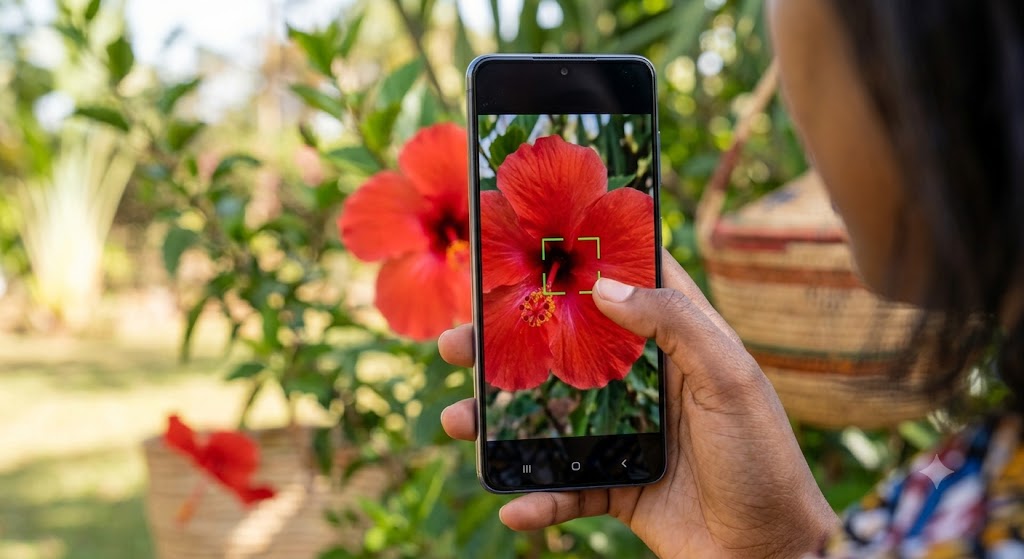
Breaking this rule also works well, especially when placing a subject right in the middle to highlight symmetrical buildings or bold portraits. Changing the camera angle changes the entire feel of the picture.
Crouching down to eye level with a subject builds a stronger connection, while shooting from a high angle cleans up a messy background.
Hidden settings and guiding the eye
Most phone owners leave their cameras on default settings, missing simple ways to improve their images.
Tapping the screen to lock the focus and sliding the brightness icon down prevents washed-out highlights on sunny days. Turning on the grid lines feature in the settings menu is an easy trick to keep horizons straight.

These minor tweaks change how people view the final image.
A peer-reviewed study on the Impact of Leading Line Composition on Visual Cognition notes that “leading lines significantly influenced the participants’ attention to key elements of the work, particularly when prominent subject elements were present.”
Using natural lines like a path or a wall guides the viewer directly to the subject. Great mobile photography comes down to practice, framing, and light.