Advertisement
How a camera works: Step-by-step guide on what really happens behind every photo
29th March, 2026 11:45 PM
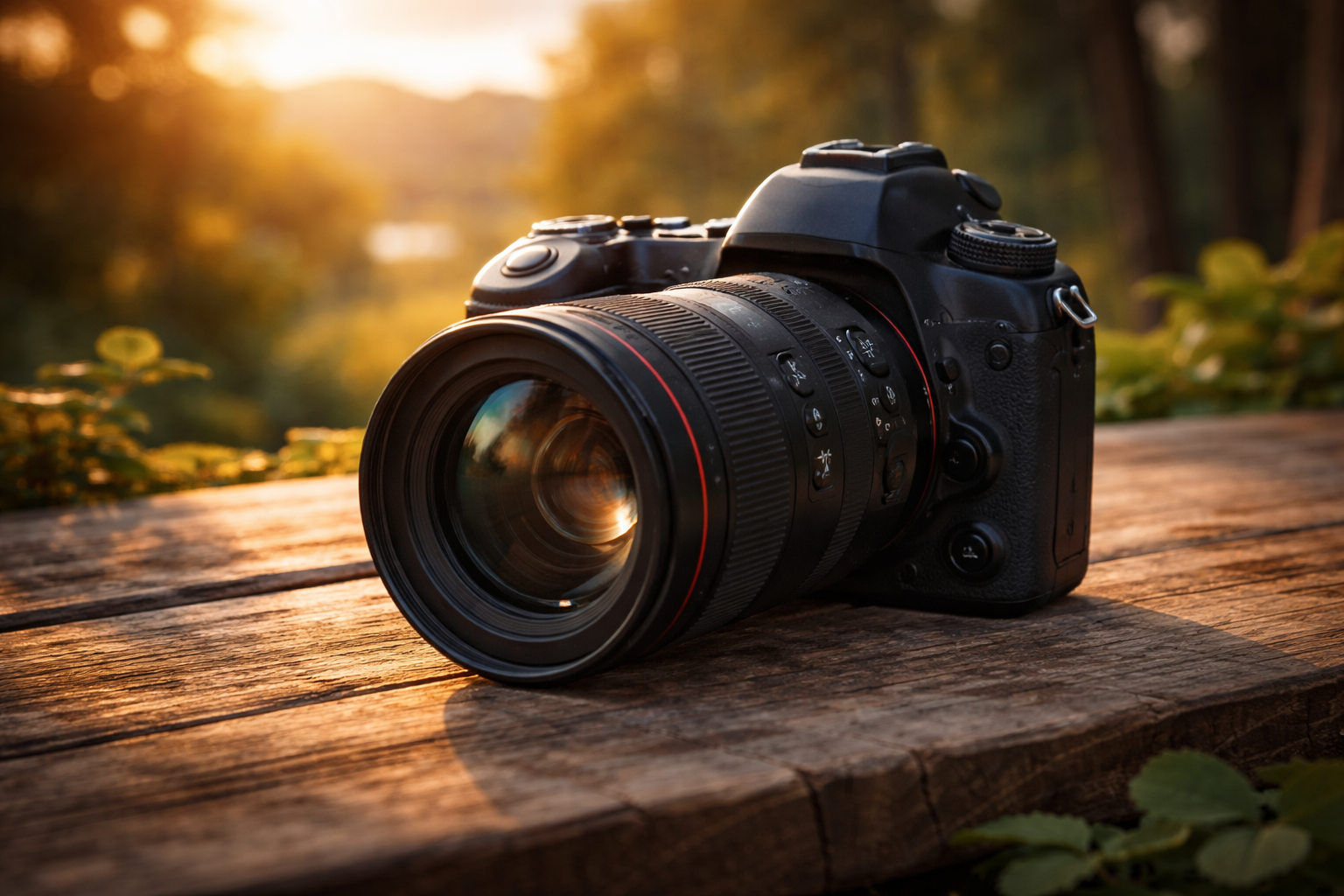
Photography may feel instant, but behind every image is a fast and precise process involving light, optics, electronics and software.
Understanding how a camera works step by step helps beginners take better photos and improve image quality.
This guide explains how a camera works in a simple and clear way, covering each stage from light entering the lens to the final image being stored.
How does a camera work in simple terms
A camera works by allowing light to enter through a lens, controlling it using aperture and shutter speed, and capturing it on an image sensor to create a digital photo.
What is photography in simple terms
Photography is the process of capturing light from a scene and turning it into an image. A camera controls how much light enters, how it is focused and how it is recorded.
Step 1. Turn on the camera
When the camera is powered on, it activates key components such as the image sensor, processor, lens system and display.
The camera prepares exposure settings including shutter speed, aperture and ISO depending on the selected mode. This is the first stage in how a camera works.
Step 2. Light enters through the lens
The lens is the entry point for light.
Light from the subject passes through the lens elements. These elements bend and direct the light so it can be focused properly onto the sensor. Lens quality affects sharpness and clarity.
Step 3. The aperture controls light amount
Inside the lens is the aperture, an adjustable opening.
The aperture controls how much light enters the camera. A wide aperture allows more light, while a narrow aperture reduces light and increases depth of field.
This step is important in understanding how a camera works in different lighting conditions.
Step 4. The camera focuses on the subject
The camera uses autofocus systems to ensure the subject is sharp.
It detects contrast or phase differences and adjusts the lens elements. Proper focus ensures the image is clear and detailed.
Step 5. The shutter opens and closes
When you press the shutter button, the shutter opens and closes quickly.
The time it stays open is called shutter speed. Fast shutter speeds freeze motion, while slower speeds allow more light and can create motion blur.
Step 6. The image sensor captures light
The image sensor captures the light entering the camera.
It contains millions of pixels that convert light into electrical signals. Each pixel records brightness and colour, forming the base of the image.
Step 7. The image is converted into digital data
The camera processor converts the electrical signals into digital image data.
It processes colours, adjusts exposure, reduces noise and sharpens details. This step happens instantly in modern cameras.
Step 8. Image processing and optimisation
The camera improves the image through internal processing.
This includes adjusting white balance, contrast and colour. JPEG images are fully processed, while RAW files retain more data for editing.
This stage defines how the final image looks.
Step 9. The image is stored
The image is saved to a memory card.
It is stored in formats such as JPEG or RAW. Storage speed affects how quickly the camera can take multiple photos.
Step 10. The image is displayed
After capture, the image appears on the camera screen.
This allows immediate review. The display shows a processed version of how the camera interpreted the scene.
All these steps happen within fractions of a second. Modern cameras perform these processes quickly, making photography feel instant.
Understanding how a camera works step by step helps improve photography skills.