Advertisement
Glass vs privacy phone screens: Why users still prefer unfiltered display
21st May, 2026 04:05 PM
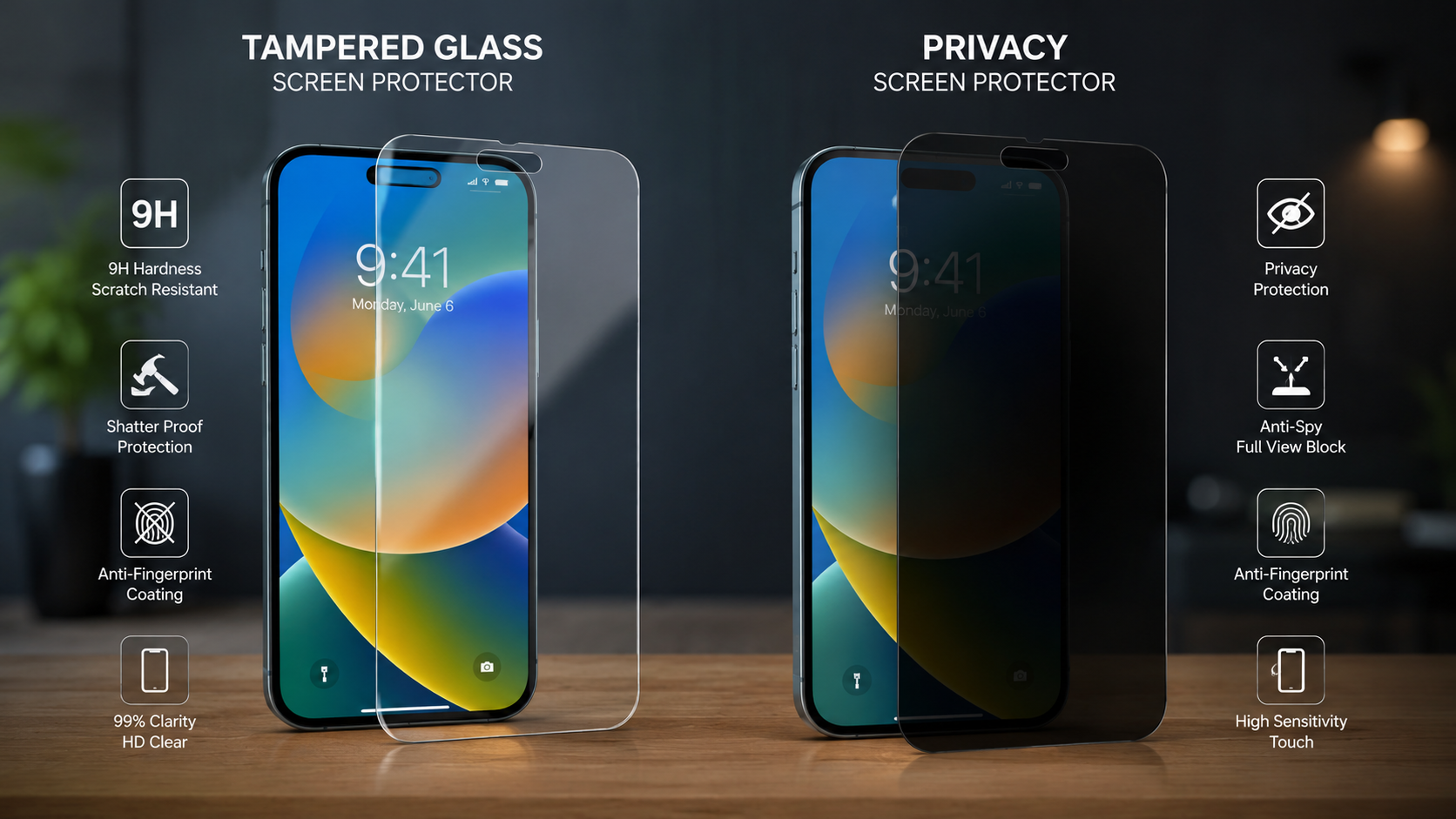
Smartphone users today have many options when it comes to protecting their screens.
Two of the most common choices are tempered glass screen protectors and privacy screen protectors.
While both are designed to protect your phone, many users still prefer tempered glass over privacy protectors for everyday use.
The reasons are practical, based on visibility, comfort, cost, and user experience.
Tempered glass
Tempered glass is one of the most popular phone protection accessories because it closely resembles the original phone screen.
It is made from strong, treated glass that helps protect your display from scratches, cracks, and minor drops.
Many users prefer tempered glass because it maintains full screen brightness and clarity.
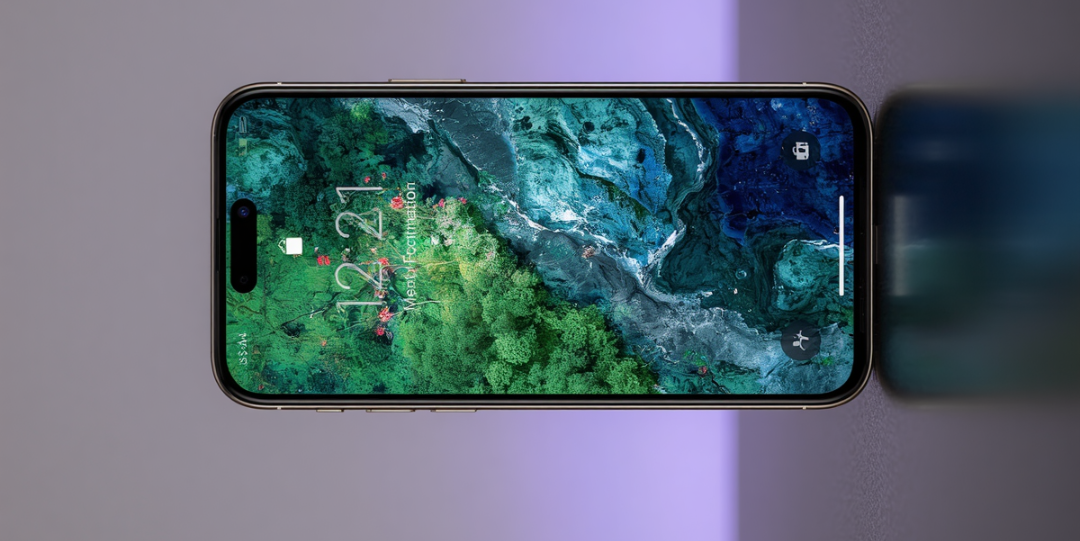
The display looks natural, sharp, and smooth, which is important for people who watch videos, browse social media, or play games.
Unlike privacy protectors, tempered glass does not reduce viewing angles or darken the screen.
It also feels more responsive when touching the screen. This is important for gamers, typists, and users who rely on fast screen response.
Privacy screen protectors
Privacy screen protectors are designed to limit visibility from side angles.
This means only the person directly in front of the phone can clearly see the screen.
People sitting next to you or passing by may see a dark or blurred display.
While this sounds useful for privacy, especially in public places like buses or offices, it comes with trade-offs.
The screen often becomes darker, which forces users to increase brightness.
This can reduce battery life and strain the eyes in low light conditions.
Some users also report that privacy protectors slightly reduce screen sharpness and touch sensitivity compared to tempered glass.
Why some users prefer tempered glass
One of the main reasons users choose tempered glass over privacy screen protectors is visual quality.
People want their phones to look as clear and bright as possible.
Tempered glass preserves the original display quality, making it ideal for entertainment, photography, and gaming.
Another reason is comfort. Many users find privacy protectors limiting because they constantly need to adjust how they view the screen.
With tempered glass, there are no viewing restrictions, making it more flexible for daily use. Cost also plays a role.
Tempered glass is usually cheaper and easier to replace compared to privacy protectors, which may wear out faster or reduce screen performance over time.
User experience and daily usage
For most smartphone users, the phone is not just a communication tool but also a source of entertainment, work, and social interaction. This makes screen clarity very important.
Tempered glass offers a smooth experience similar to using the original screen. It does not interfere with brightness, colour accuracy, or viewing angles.
This makes it suitable for users who value simplicity and performance over privacy filtering.
Privacy screen protectors, on the other hand, are more niche. They are useful in specific situations but not always ideal for everyday use.
Which one should you choose
The choice between tempered glass and privacy screen protectors depends on personal needs. If your priority is privacy in public spaces, then a privacy screen protector may be helpful.
However, if you want a clear display, better brightness, and a natural phone experience, tempered glass is often the preferred option.
Many users in Kenya and around the world continue to choose tempered glass because it balances protection, affordability, and usability without changing how the phone feels.
Tempered glass remains the go-to choice for many smartphone users because it protects the screen without affecting clarity or performance.
Privacy screen protectors offer security benefits, but they come with compromises that not everyone is willing to accept.