Advertisement
Story za jaba! Understanding the difference between Miraa and Muguka
19th May, 2026 10:34 PM
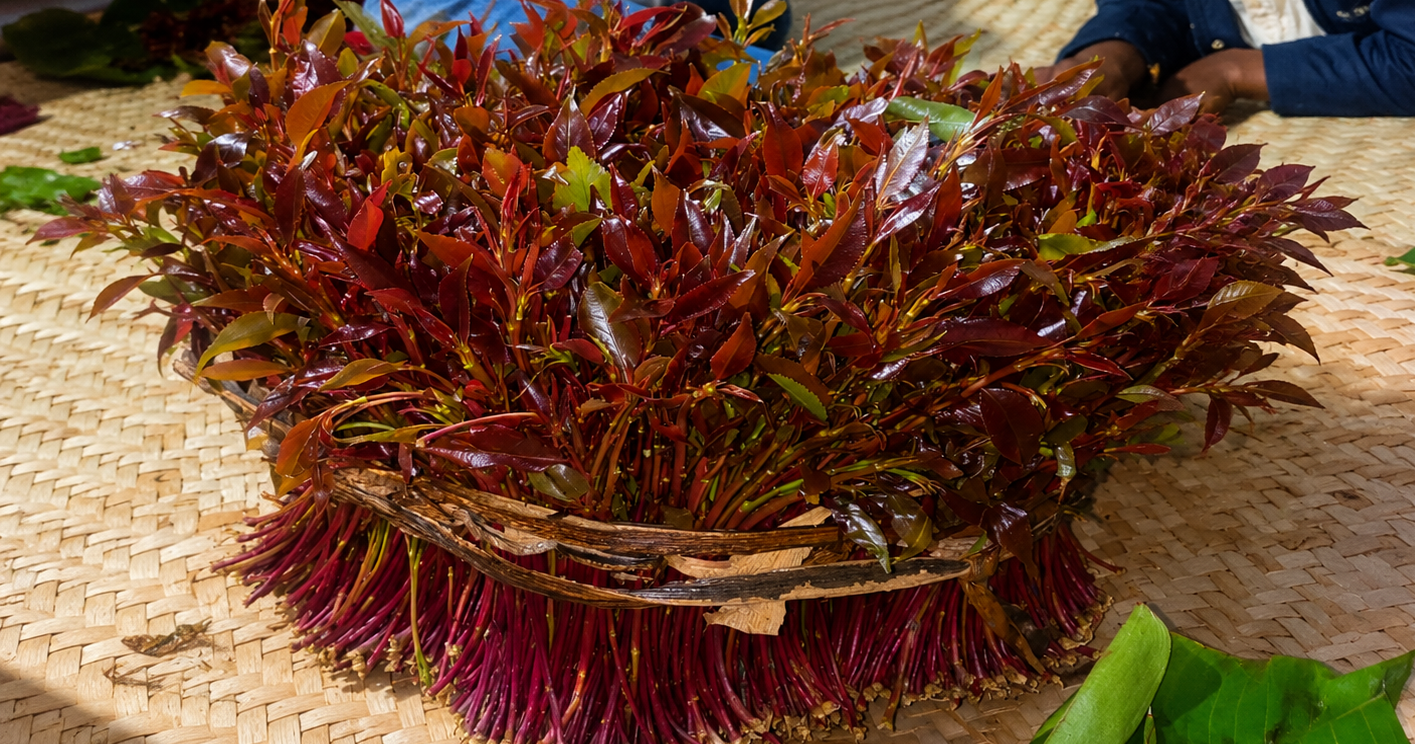
Just as the names Muguka and Miraa differ in pronunciation and spelling, so do they differ in their original meanings, use, and all other aspects.
While many Kenyans casually use the two names interchangeably, the truth is that there are notable differences between the two despite both coming from the same khat plant scientifically known as Catha edulis.
The confusion surrounding the two substances has grown even bigger in recent years, especially after heated debates, county bans and political statements that placed muguka at the centre of national attention.
In matatus, social media debates and even local markets, one phrase has become common whenever the topic arises.
Yet behind the jokes and street slang lies a serious economic, cultural and health conversation that affects thousands of farmers and consumers across Kenya.
Difference in harvesting
One of the clearest differences between miraa and muguka emerges during harvesting.
Miraa farmers mainly pluck the tender shoots and stems from the plant. These stems are juicy, fresh and softer for chewing.
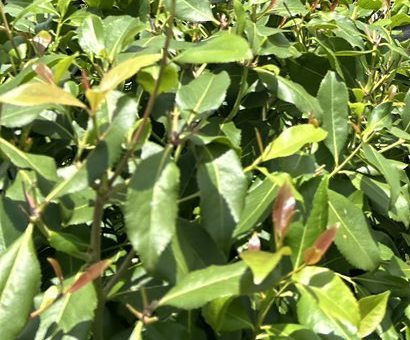
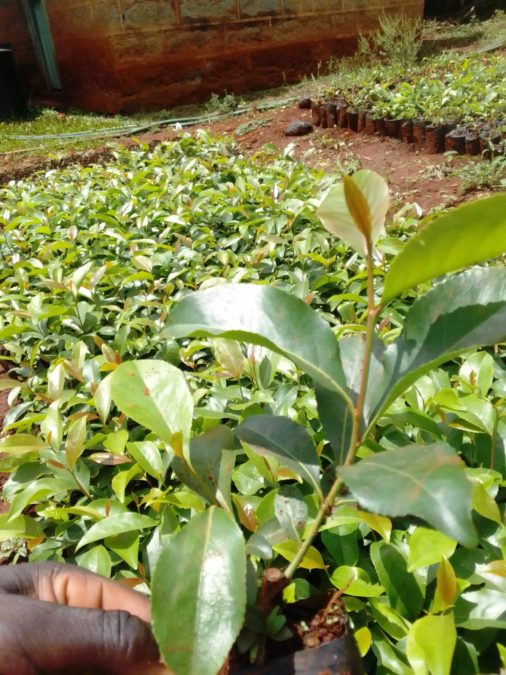
Muguka farmers, on the other hand, harvest the leaves because the shrub is smaller and lacks the succulent stems associated with miraa.
This difference also affects how users consume the products. Miraa users chew the stems while muguka consumers mostly chew the leaves directly.
In regions such as Igembe in Meru County, bundles of fresh miraa are often carefully tied and transported quickly to preserve freshness.
In Embu and Kirinyaga, muguka is usually packed in sacks or small affordable portions for rapid distribution.
Difference in maturity and harvest time
Another major distinction lies in how fast the crops mature.
Miraa takes close to 28 days before it is ready for harvesting. Farmers therefore wait longer before earning from the crop. Muguka matures much faster and can be harvested within 7 to 10 days.
This faster maturity has made muguka attractive to many small scale farmers because it generates quicker income and can be harvested multiple times within a short period.
In some parts of Embu, farmers describe muguka as a crop that “does not sleep in the farm for long.”
By the time one batch is sold, another is almost ready.
Difference in potency
Health experts and researchers say the strongest distinction between the two lies in potency.
Both miraa and muguka contain stimulant compounds known as cathine and cathinone.
These chemicals affect the central nervous system and can alter mood, behaviour, awareness and energy levels.
However, muguka is widely considered stronger because the stimulant chemicals are more concentrated in the leaves than in the stems.
Since muguka consumers mainly chew the leaves, the effect is often faster and more intense.
Some users describe muguka as having a stronger “kick” compared to ordinary miraa.
This higher potency has also raised concerns among health experts who warn that excessive consumption may increase dependency and mental health risks.
Among the side effects linked to prolonged khat use are anxiety, insomnia, paranoia, depression, high blood pressure and psychosis.
Severe complications may include heart problems, migraines and damage to blood vessels.
Difference in price and accessibility
Walk into many estates or roadside kiosks and the economic difference becomes immediately visible.
Miraa is often viewed as premium “green gold” and is significantly more expensive.
Depending on quality and season, small bundles may retail between Sh150 and Sh200 or even more.
Muguka is the cheaper alternative and is commonly sold in tiny portions from as low as Sh50.
Its affordability has made it popular among younger consumers and low income users looking for a quick stimulant effect.
For many traders, muguka is a mass market product while miraa carries a more established cultural and export value.
Difference in origin and transport
The two varieties are also associated with different regions in Kenya.
Miraa is predominantly grown in Meru County, especially in Igembe North, Igembe South, Igembe Central and Tigania areas.
The crop has for years supported thousands of families and built a strong export market to countries within the region.
Because freshness is highly valued, miraa is often transported using specialised vehicles and sometimes airplanes to reach markets quickly.
Muguka is mainly grown in Embu and parts of Kirinyaga counties.
Unlike miraa, it is commonly transported in ordinary vehicles such as Toyota Probox cars, often in bulk quantities destined for local markets across the country.
Why debate is endless
The distinction between the two products is no longer just agricultural. It has evolved into a political, economic and public health debate.
Farmers defend the crops as sources of livelihood that educate children, build homes and sustain local economies.
Critics, however, argue that the growing use of highly potent muguka among young people is becoming a social concern.