Advertisement
Signs economic anxiety is affecting your relationship
18th May, 2026 01:29 PM
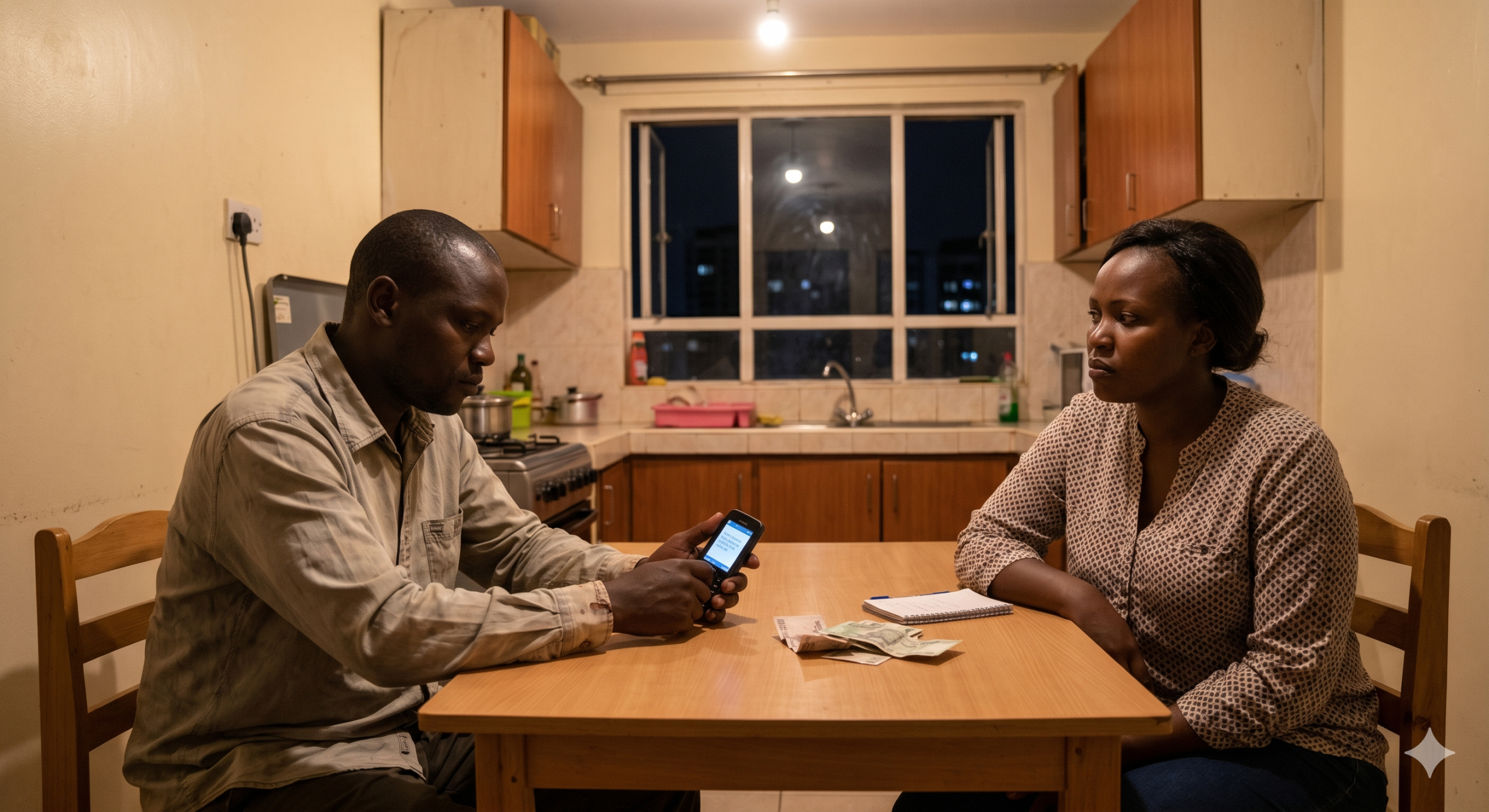
Money talks are never easy, but right now, for many Nairobi couples, they are barely happening at all.
Rent has gone up. Fuel has gone up. The weekly cost of food has gone up. And underneath all of that, quietly, relationships are absorbing the pressure.
Research has consistently found that financial conflict is not only the most common source of tension between partners, but it is also the most damaging.
What makes money fights particularly corrosive is not just how often they happen, but how threatening they feel compared to other arguments.
Unlike a disagreement about whose turn it is to cook or whether to watch a different show, a money argument lands differently. It touches on security, trust, future plans, and (often) very old ideas about worth and provision that neither partner has ever said out loud.
The signs to look out for
The first thing that tends to go is the conversation itself.
A 2024 study from Yale and Cornell universities, published in the Journal of Consumer Psychology, found that the more financially stressed a person is, the less likely they are to bring up money with their partner, even when that conversation is exactly what the relationship needs.

As the study’s co-author, Cornell professor Emily Garbinsky, stated: “Financially stressed individuals who need to have these conversations the most are the least likely to have them.”
When money becomes a topic both partners quietly agree to avoid, it does not disappear. Instead, it just starts showing up as irritability, emotional withdrawal, or a coldness that neither person can quite explain.
You find yourself snapping at each other over small things, or sleeping at opposite ends of the bed after a night where nothing particularly bad happened. The financial stress is still there, only in a different costume.
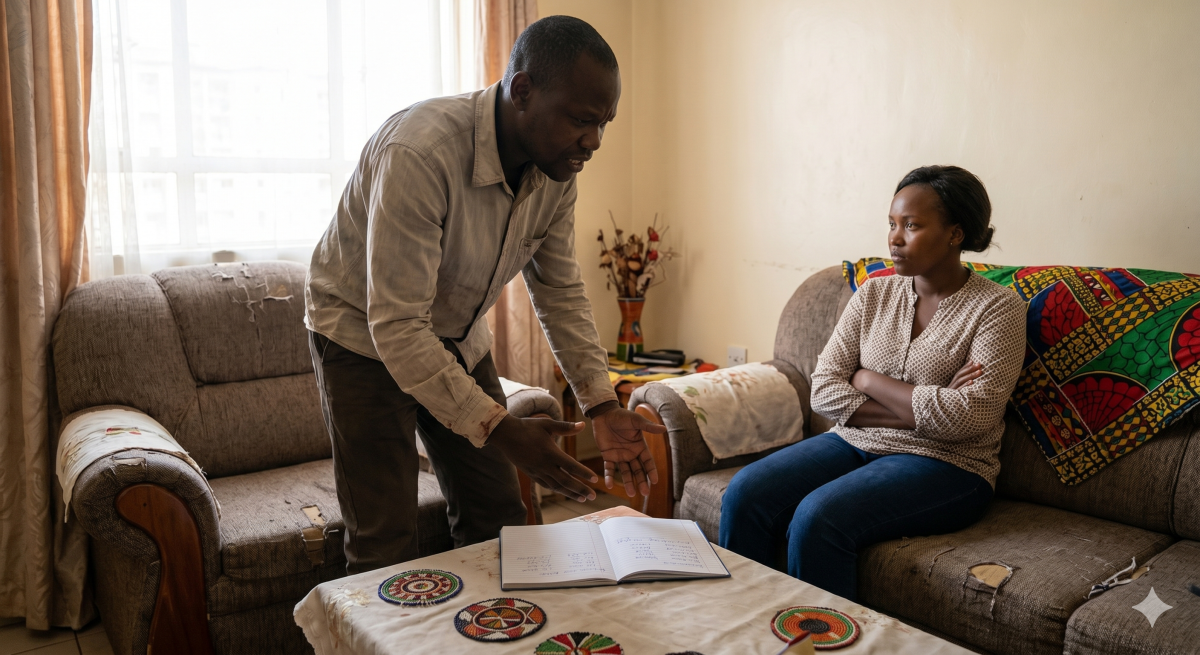
A 2024 study in the Journal of Social and Personal Relationships adds another layer: financial worry tends to distort how we see our partners.
People who were preoccupied with money concerns were more likely to perceive their partners as less supportive and to recall more negative behaviours (teasing, neglect, emotional distance) even when those behaviours were not necessarily more frequent.
In other words, economic anxiety can quietly poison the way you interpret the person you love, which makes productive conversation even harder to start.
Other signs: one person starts making financial decisions alone to avoid an argument. Intimacy decreases, not because the relationship is in trouble, but because the stress leaves no emotional room for closeness. Future plans stop being discussed, because the gap between aspiration and reality feels too painful to look at directly.
What actually helps
The same Yale-Cornell study found that couples who approach finances collaboratively – talking openly, planning jointly, spend more responsibly and report greater relationship satisfaction.
The conversation does not have to be long or detailed. Ten minutes, once a week, looking at the same numbers from the same side of the table, does more good than most people expect.
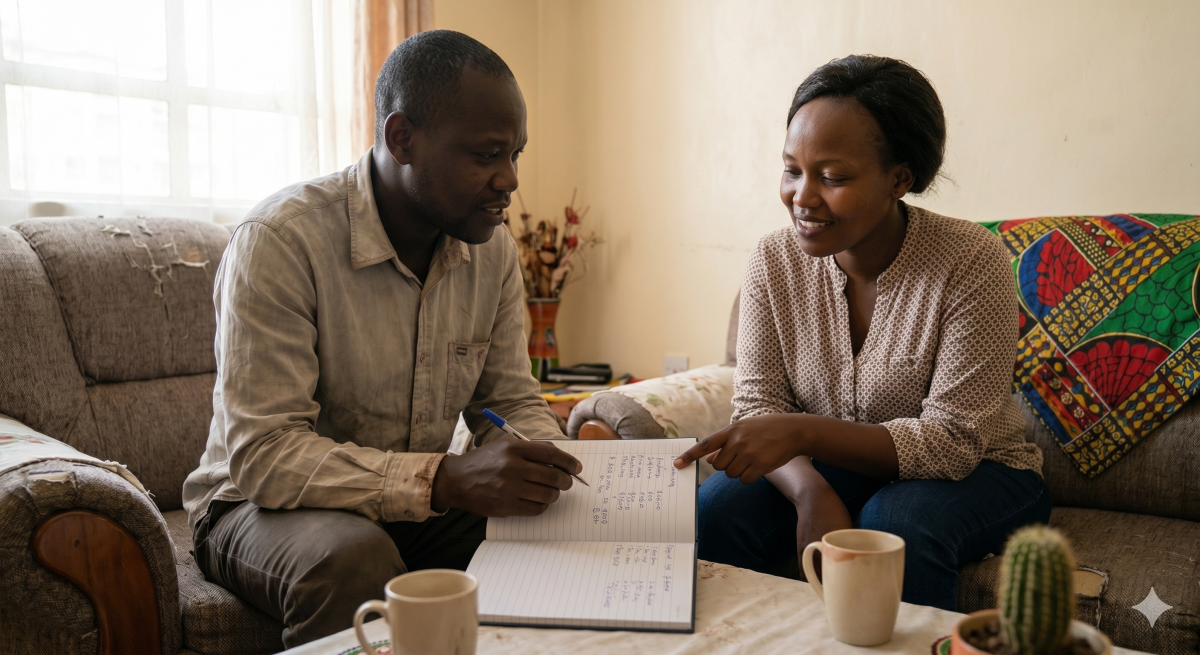
Beyond that: name the external pressure out loud. Telling your partner “I have been anxious about money and I think it is making me difficult to be around” is disarming in a way that very little else is.
It separates the stress from the relationship, and it reminds both of you that the real problem is the economy, not each other.
Protect one part of your routine that money cannot touch: a walk, a shared meal, a show you watch together. Physical presence and small rituals of connection are genuinely stabilising.