Advertisement
Infotrak: Economic hardship is driving most Kenyans into depression and anxiety
30th December, 2025 09:41 PM
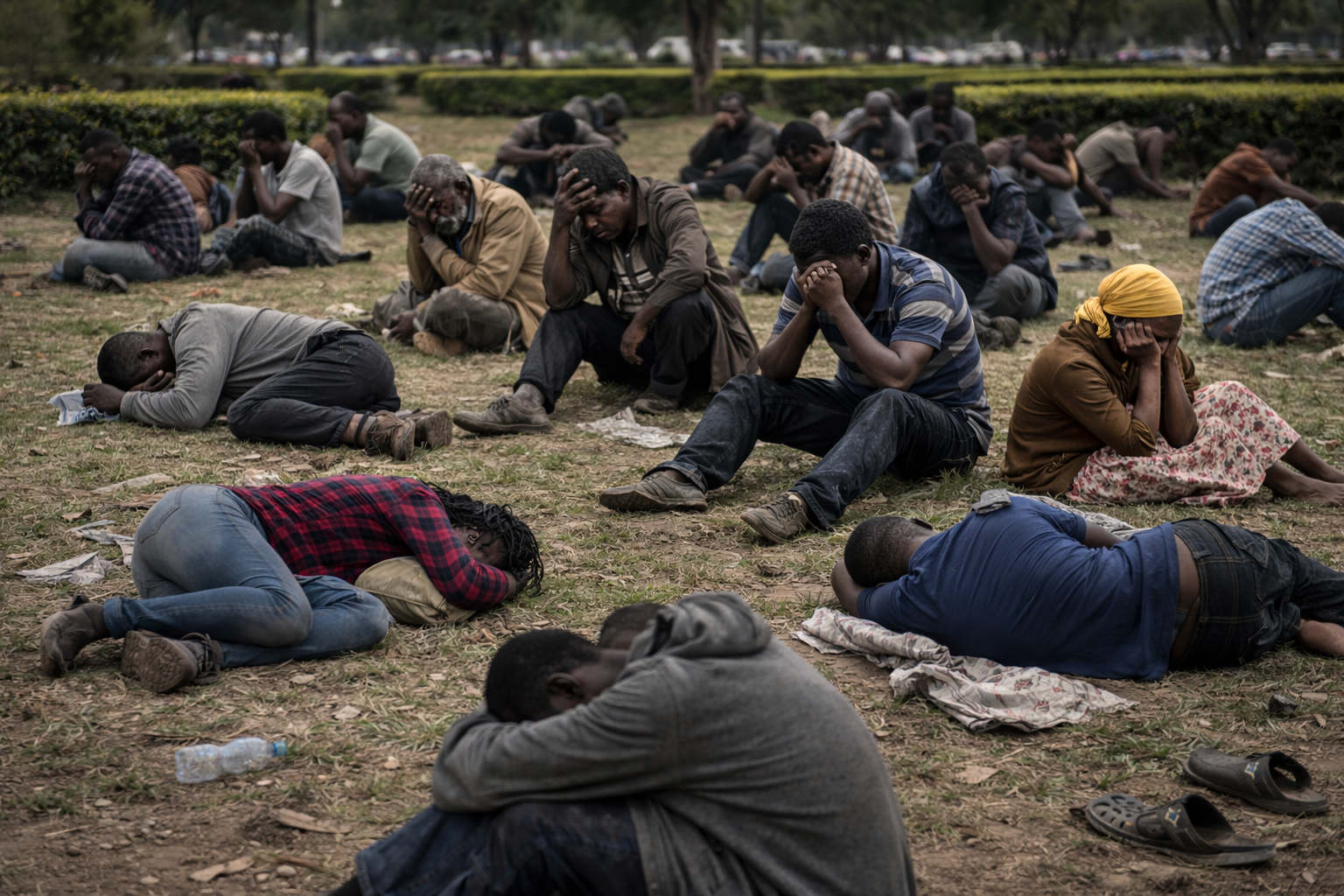
Things will not be as usual if those responsible for shaping Kenya’s economy fail to act as expected, Infotrak Research & Consulting Limited has cautioned.
This is after a new survey revealed that a majority of Kenyans are grappling with deep psychological strain caused by the rising cost of living and prolonged economic hardship.
According to the survey released on Tuesday, December 30, 2025, Infotrak interviewed 1,000 adult Kenyans across all 47 counties.
In its methodology, the research firm stated that “the survey sample achieved was 1,000 to represent the universe of adult Kenyans who were 18 years and above at the time of the survey.

Economic pain is pushing Kenyans
The findings show that economic stress is now taking a serious toll on mental health.
“50 per cent of respondents said economic hardships have increased overall stress and anxiety. 25 per cent reported that the situation has negatively affected their mental health,” the Infotrak survey said.
“22 per cent said economic pressure has led to physical health issues, while 17 per cent indicated it has caused strain on personal relationships,” the survey added.
Unemployment emerged as the biggest household challenge at 26 per cent, followed closely by high food prices at 25 per cent.
School fees accounted for 17 per cent, low wages 14 per cent, while healthcare costs, rent, and debt continued to compound household stress.

Infotrak observed that young Kenyans aged between 18 and 26 were the most affected by unemployment, while older age groups reported higher stress levels linked to food prices, healthcare and school fees.
Survival tactics and a gloomy outlook
As pressure mounts, households are adopting coping mechanisms that point to growing distress.
The survey found that “39 per cent of Kenyans are seeking additional employment or income sources,” while “26 per cent are cutting back on non-essential expenses.”
A further “22 per cent are borrowing money from friends or family, 15 per cent are taking out loans or using credit facilities, and 11 per cent say they now depend on food rations,” according to the findings.
On the causes of the high cost of living, respondents overwhelmingly pointed to governance and policy issues.
Infotrak reported that “31 per cent cited corruption as the main driver, followed by taxes at 26 per cent and government policies at 16 per cent,” with global economic factors and poor agricultural productivity also playing a role.
Looking ahead to 2026, the outlook remains uncertain. While “29 per cent of Kenyans expect the economy to improve,” the survey shows that “16 per cent believe it will worsen, and 30 per cent remain unsure,” underscoring widespread anxiety about the future.
Infotrak warned that without urgent policy interventions to tame prices, create jobs and cushion households, the economic strain could escalate into a deeper mental health and social crisis in the coming year.