Advertisement
Why today’s relationships feel different from those of previous generations
15th May, 2026 11:31 AM
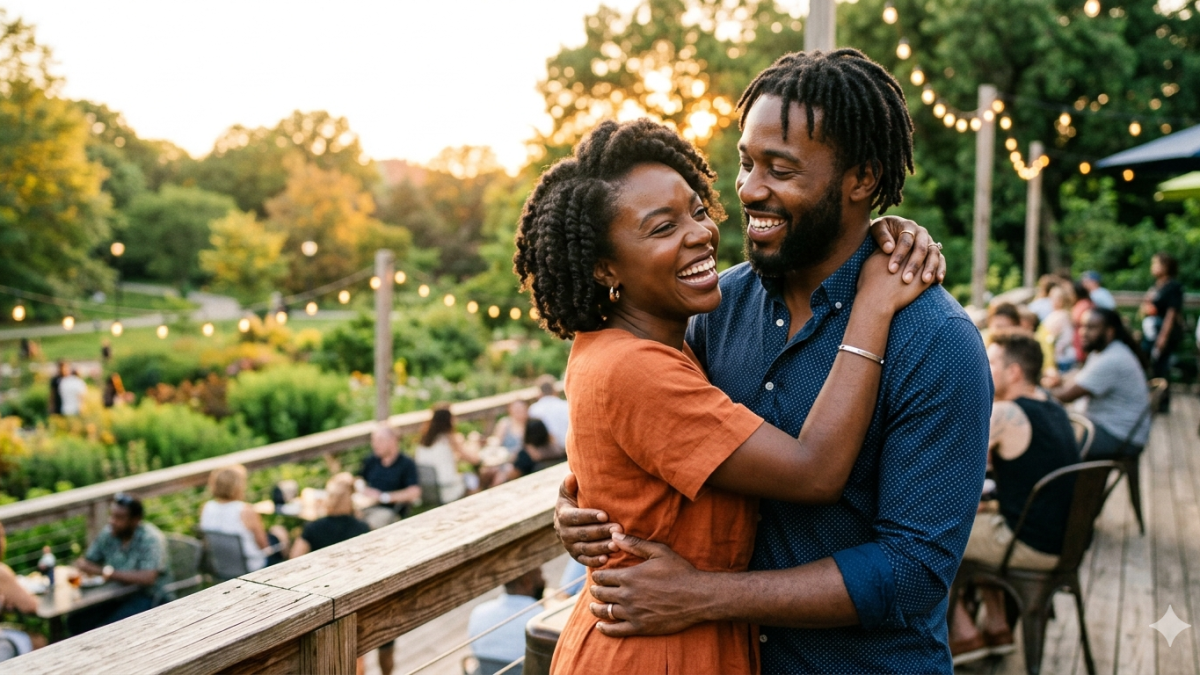
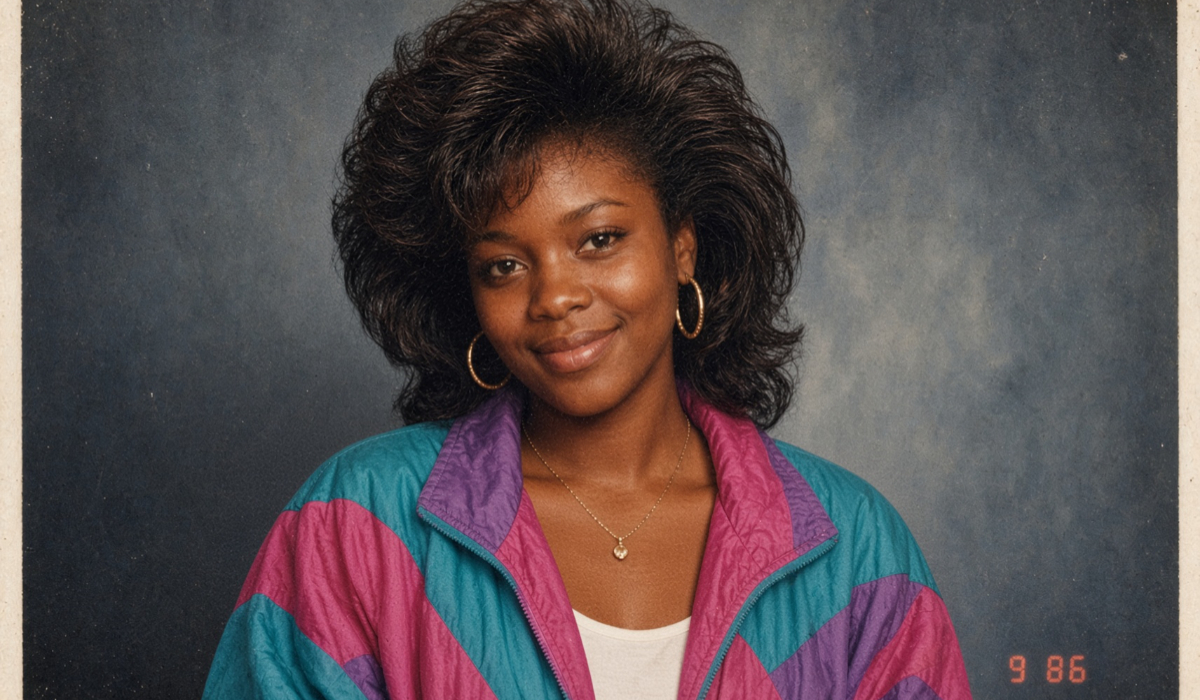
A generation ago, relationships followed a predictable rhythm: court, marry young, build a home, raise kids.
Today, many couples describe their partnerships as more intense, more fragile, and strangely more hopeful. Conversations about ‘situationships’, therapy-speak, and shared Google calendars have replaced the old certainty of “till death do us part.” What changed? The answer lies in how we now live, love, and expect from one another.
Technology rewired intimacy
Smartphones turned dating into a 24/7 marketplace. Previous generations met partners through family, church, or workplace; today’s singles swipe through hundreds of profiles before breakfast. Apps promise infinite choice yet often leave people exhausted and cynical.
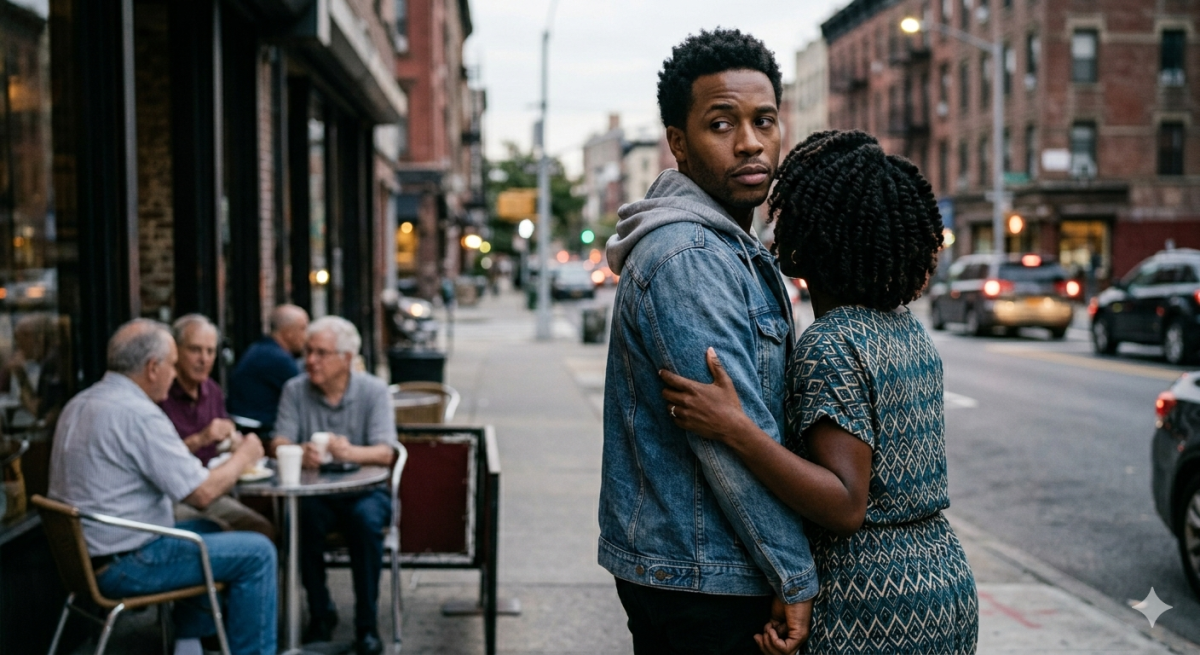
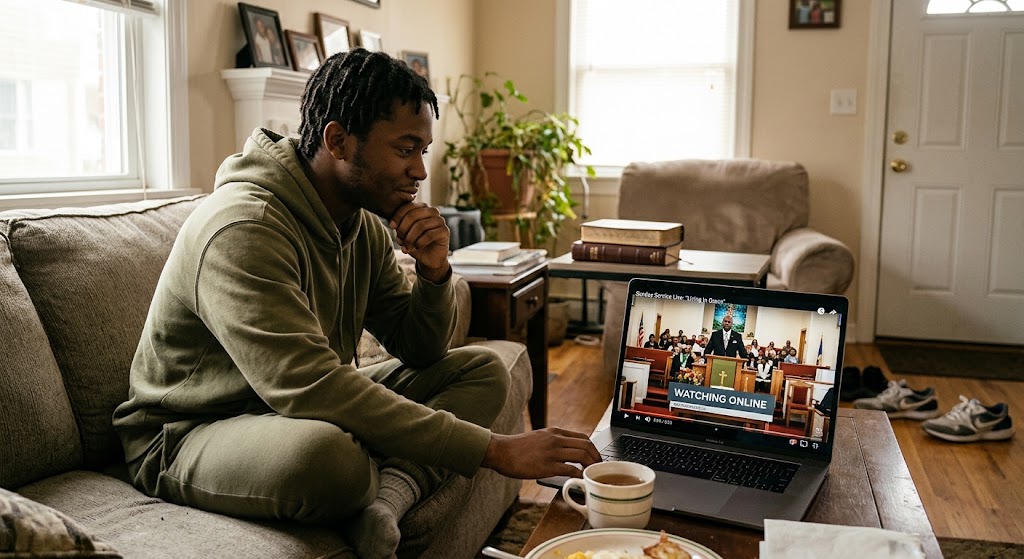
Constant texting creates instant connection—and instant pressure. One missed reply can spark anxiety that earlier generations never faced over a delayed letter. Social media adds another layer: we compare our behind-the-scenes reality to everyone else’s highlight reel, making ordinary love feel somehow inadequate.
Economic realities reshaped priorities
Our grandparents often married in their early twenties because one salary could support a family. Today, young Kenyans and their global peers face sky-high rents, student loans, and unstable gig economies. Dual incomes are no longer a luxury; they’re a survival. Women, now more educated and financially independent than ever, delay marriage to build careers and personal brands.
Men, no longer the sole providers, are learning to share emotional and domestic loads. The result? Relationships feel less like a destination and more like a partnership of equals, still figuring out the map.
Gender roles and emotional expectations
Traditional scripts, man pursues, woman nurtures, are fading fast. Today’s couples negotiate everything from who pays on dates to who handles mental load. Men are encouraged to express vulnerability; women refuse to shrink their ambitions. This openness is beautiful, yet it demands skills previous generations rarely needed.

“We talk about feelings more in one month than my parents did in thirty years,” a Nairobi professional recently shared. The upside is deeper emotional intimacy. The downside? Higher standards mean more breakups when those standards aren’t met.
Rise of self-focus and boundaries
Modern culture celebrates self-discovery. Therapy, podcasts, and wellness apps teach us to protect our peace and recognise red flags early. While previous generations often stayed together “for the children” or because divorce carried heavy stigma, today’s couples view ending an unfulfilling relationship as an act of self-respect. Cohabitation before marriage, conscious uncoupling, and “soft life” goals all reflect a generation that wants love without losing itself.
Yet amid the differences, one thing remains constant: humans still crave connection. Today’s relationships may feel different, heavier with choice, lighter on tradition, but they also carry greater potential for equality and authenticity. The challenge is learning to navigate this new landscape without losing the patience and commitment that made relationships last in the past. In the end, love hasn’t changed. Only the rules of the game have.