Advertisement
Privacy, personal space or changing culture? Exploring why couples are choosing to live apart
07th May, 2026 11:17 AM
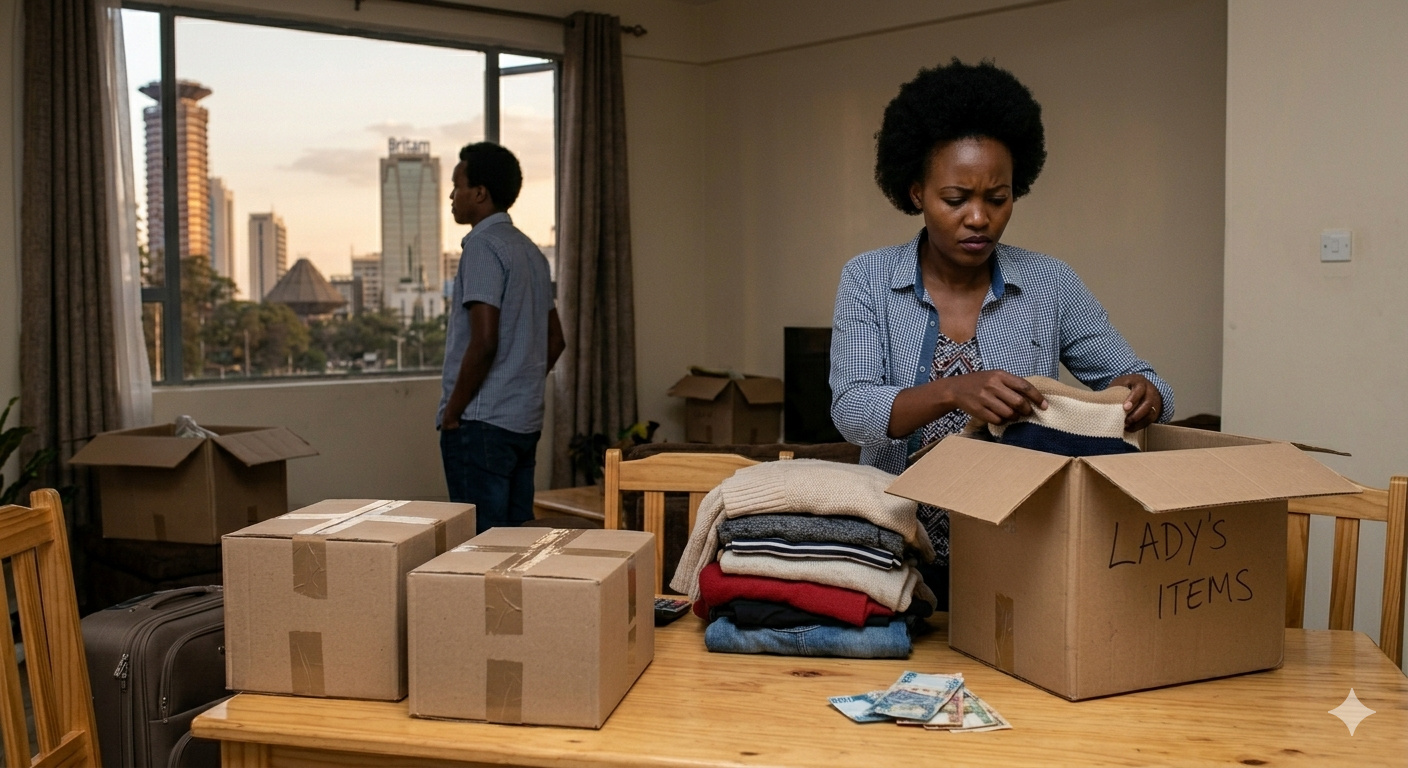
Some couples are quietly but significantly changing how they structure relationships. Increasingly, partners are choosing to live in separate homes even when they are in committed relationships. It reflects changing ideas of love, space, and independence in the city.
Unlike the traditional expectation that couples should share a home once they are serious or married, some are now redefining what togetherness means. For them, commitment is not measured by living together, but by emotional connection and mutual understanding maintained even while living apart.
The reasons
One of the main reasons behind this shift is the pressure of urban life. Long hours at work, traffic congestion, and demanding careers often leave little energy for shared domestic routines. Some couples say that having separate spaces reduces daily friction and allows them to interact more calmly when they do meet. Findings similar to those of the studies of urban relationships reveal that cohabitation patterns are changing, especially in cities where the lifestyle demands are high, and independence is increasingly valued.
Privacy and personal space also play a major role. Many individuals prefer having their own environment where they can manage their routines without compromise. This includes decisions about household organization, time management, and even social life. Observations from relationship discussions in urban Kenya show that space is often linked to reduced conflict and improved emotional balance in relationships.
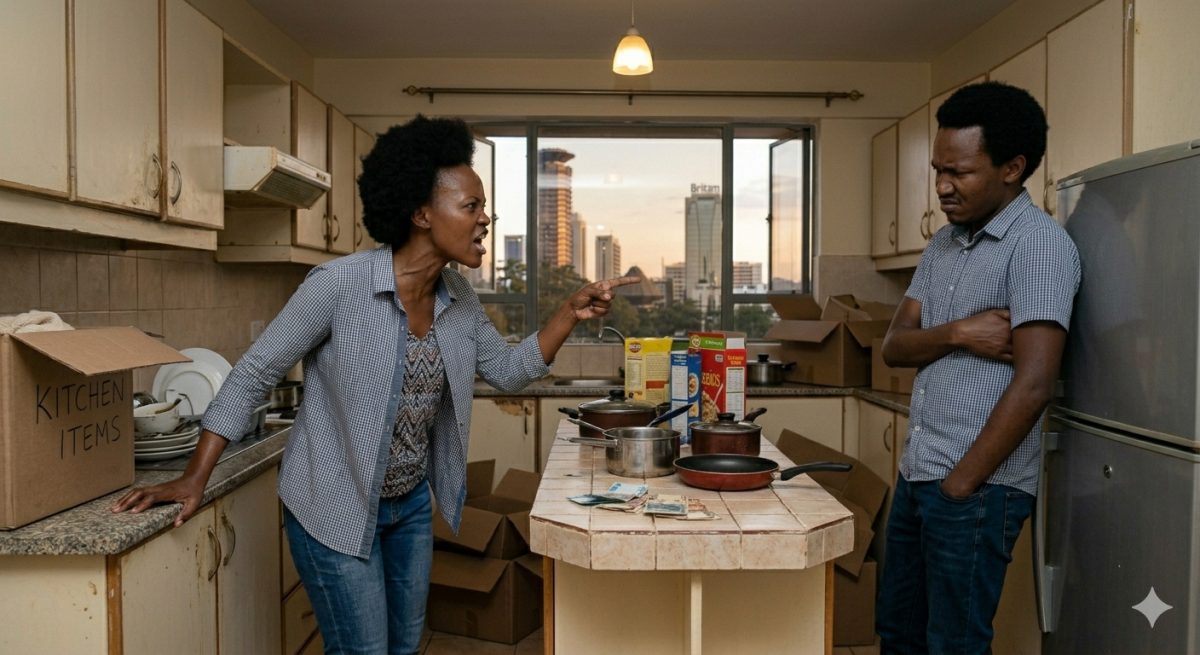
For some couples, the decision comes after experiencing challenges while living together. Instead of constant disagreements over chores, habits, or lifestyle differences, they choose separate households as a way of preserving harmony. Experts on modern relationships note that living apart can sometimes reduce tension by preventing small daily issues from escalating into major conflict.
Financial independence also plays a major role. If both partners are financially stable, separate homes become a practical option rather than a hardship. There is room for each individual, but it still provides emotional and social support within the relationship.
But this is not without controversy. Some think it may lead to fewer shared experiences and a less emotionally connected day-to-day life. There is also social pressure. Couples not living together are sometimes seen as less committed.
Even so, supporters of the arrangement say communication becomes more intentional. Instead of routine daily interactions, couples make deliberate efforts to meet, check in, and spend quality time together. This, they argue, strengthens appreciation and reduces emotional fatigue.
Research by Knowledge Commons on changing relationship patterns also shows that living together and marriage norms are evolving, with more people exploring non-traditional ways of building unions, especially in urban settings where lifestyles are becoming more individualistic
This growing trend reflects a broader shift in how relationships are being defined in the city. For some couples, living apart is not about distance, but about creating a balance that allows love to exist alongside personal freedom and modern urban realities.