Most painful body parts to get tattooed
By Katemarthason Okudo, May 1, 2026The truth is, pain is part of the tattoo experience. However, not all parts of the body feel the same. Some areas are far more sensitive than others, and understanding this can help you prepare both mentally and physically.
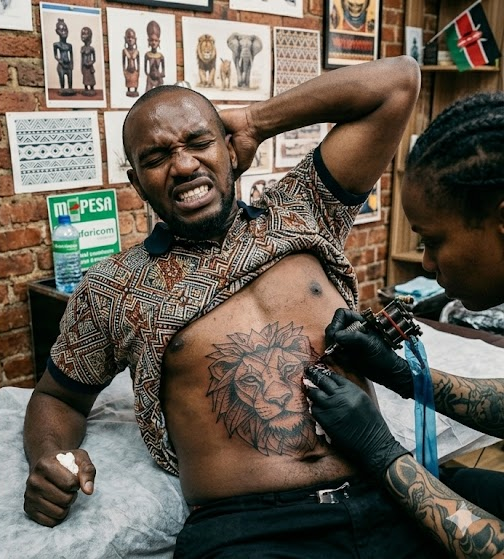
One of the most painful areas to get a tattoo is the ribcage. The skin here is thin, and there is little fat to cushion the needle. Every movement of the chest as you breathe can also make the sensation more intense. Many people describe the pain in this area as sharp and constant, often making it difficult to sit through long sessions.
Close to that level of discomfort is the spine. Running down the center of the back, the spine is packed with nerve endings. Tattooing along this area can feel like a deep, vibrating pain that travels through the body. It’s not uncommon for people to need breaks during a spine tattoo due to the intensity.
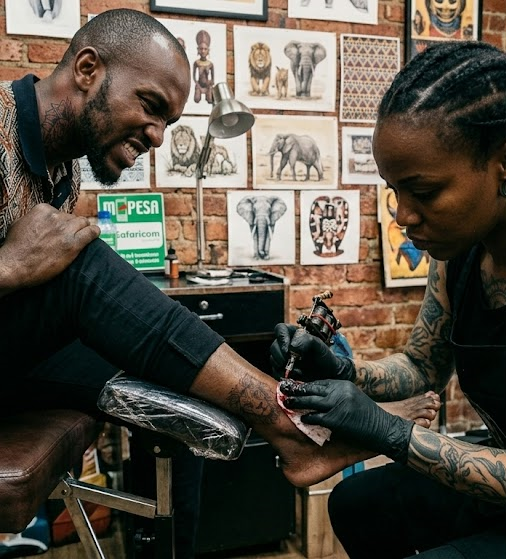
The ankles and feet are also high on the pain scale. These areas have minimal muscle and fat, and the bones sit close to the skin. The sensation here is often described as a stinging or scratching pain that does not ease up easily. Since the skin is also more delicate, healing can take a bit longer.
More sensitive areas
Another area many people ignore is the inner arm, especially near the armpit. While the outer arm is one of the least painful spots, the inner section is more sensitive due to softer skin and a higher concentration of nerves. Tattoos here can feel more uncomfortable than expected, particularly for larger designs.
For those considering tattoos on the hands or fingers, pain is also something to keep in mind. These areas have thin skin and are constantly exposed to movement and use, which can make the process and healing more uncomfortable. The same applies to the neck and throat, where the skin is sensitive and close to major nerves.
Despite all this, pain is not the same for everyone. Factors such as individual tolerance, the size of the tattoo, and even your state of mind can influence how you experience it. Being well-rested, hydrated, and calm can make a noticeable difference during the session.
Tattoo artists often advise clients to start with less sensitive areas if they are unsure about their pain tolerance. Places like the upper arm, thigh, or calf tend to be more manageable and are often recommended for beginners.
While pain is part of the journey, many people say the result is worth it. A tattoo can carry personal meaning, mark a memory, or simply be a piece of art you wear every day. Knowing what to expect allows you to go in prepared and come out proud of both the ink and the experience.
The truth is, pain is part of the tattoo experience. However, not all parts of the body feel the same. Some areas are far more sensitive than others, and understanding this can help you prepare both mentally and physically.
One of the most painful areas to get a tattoo is the ribcage. The skin here is thin, and there is little fat to cushion the needle. Every movement of the chest as you breathe can also make the sensation more intense. Many people describe the pain in this area as sharp and constant, often making it difficult to sit through long sessions.
Spine, ankles and feet
Close to that level of discomfort is the spine. Running down the center of the back, the spine is packed with nerve endings. Tattooing along this area can feel like a deep, vibrating pain that travels through the body. It’s not uncommon for people to need breaks during a spine tattoo due to the intensity.
The ankles and feet are also high on the pain scale. These areas have minimal muscle and fat, and the bones sit close to the skin. The sensation here is often described as a stinging or scratching pain that doesn’t ease up easily. Since the skin is also more delicate, healing can take a bit longer.
Another area many people ignore is the inner arm, especially near the armpit. While the outer arm is one of the least painful spots, the inner section is more sensitive due to softer skin and a higher concentration of nerves. Tattoos here can feel more uncomfortable than expected, particularly for larger designs.
For those considering tattoos on the hands or fingers, pain is also something to keep in mind. These areas have thin skin and are constantly exposed to movement and use, which can make the process and healing more uncomfortable. The same applies to the neck and throat, where the skin is sensitive and close to major nerves.
Despite all this, pain is not the same for everyone. Factors such as individual tolerance, the size of the tattoo, and even your state of mind can influence how you experience it. Being well-rested, hydrated, and calm can make a noticeable difference during the session.
Tattoo artists often advise clients to start with less sensitive areas if they are unsure about their pain tolerance. Places like the upper arm, thigh, or calf tend to be more manageable and are often recommended for beginners.
While pain is part of the journey, many people say the result is worth it. A tattoo can carry personal meaning, mark a memory, or simply be a piece of art you wear every day. Knowing what to expect allows you to go in prepared and come out proud of both the ink and the experience.