Advertisement
More than a biological difference: The discrimination intersex people still face in Kenya
20th August, 2026 10:41 AM
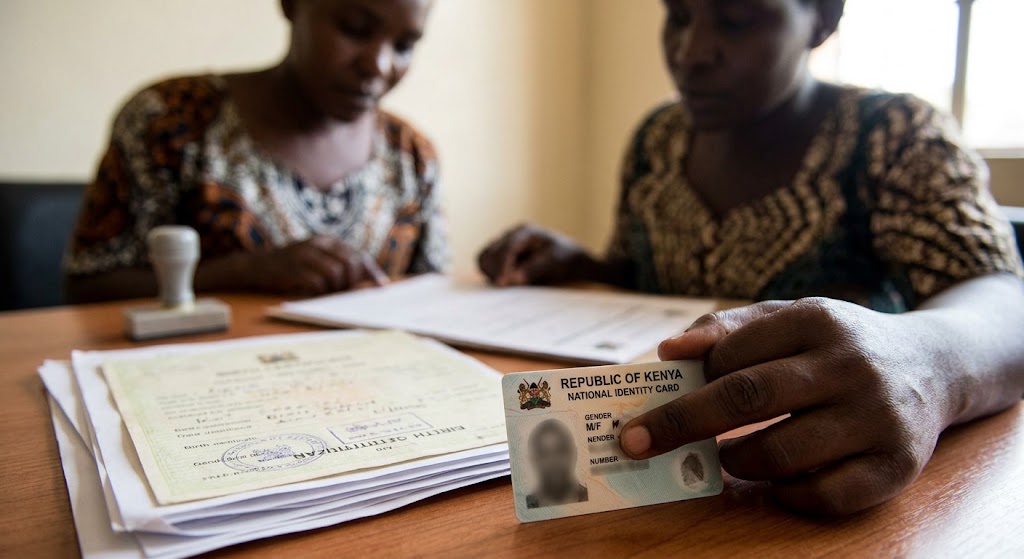
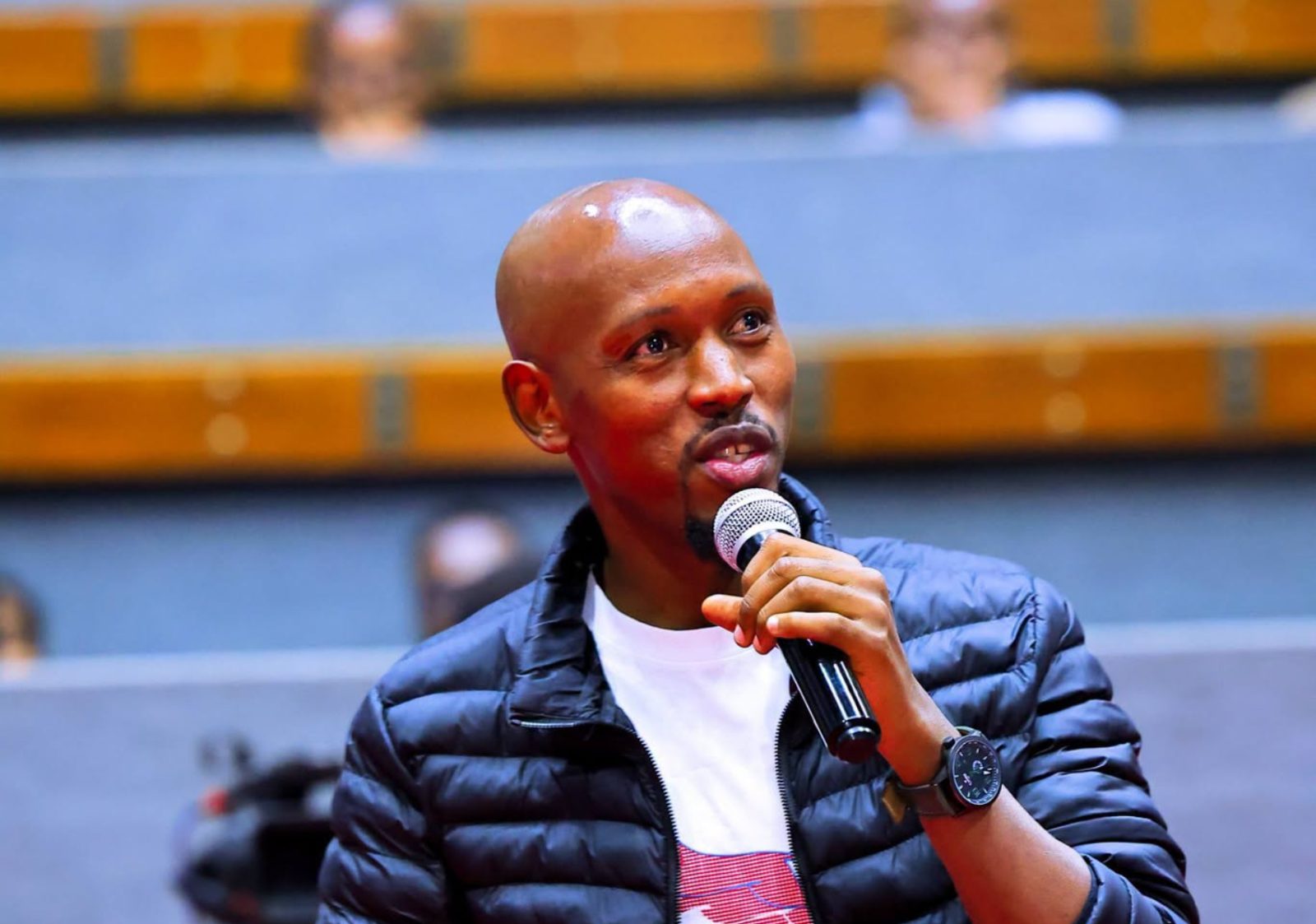
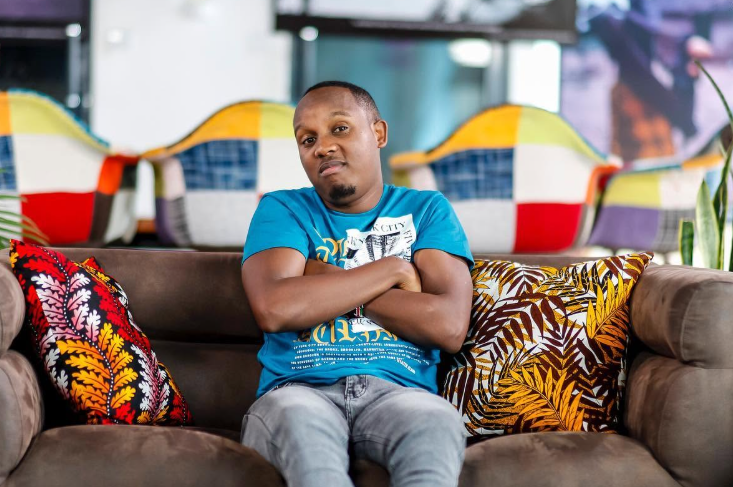
For Kelvin Mugambi, finding a place to call home became an experience he says exposed the discrimination intersex people can face in everyday life.
In a video shared online, Mugambi recounted his experience while searching for a rental house, claiming he was rejected because of his intersex status.
“I was denied a house to rent simply because I’m intersex,” Mugambi said.
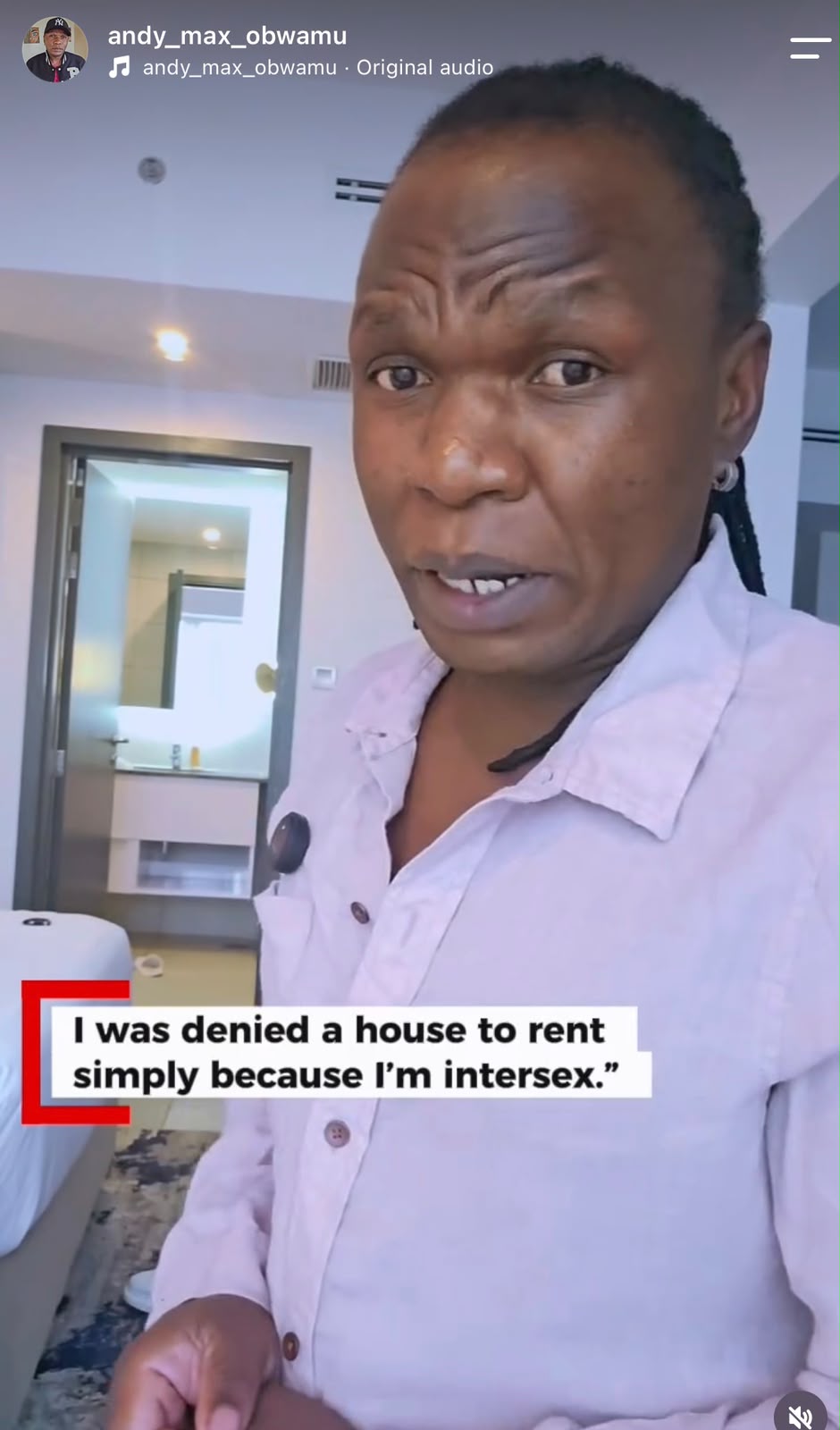
Although the account is not recent, it continues to highlight a wider conversation around the treatment of intersex people in Kenya and the misconceptions that surround their identity.
What does it mean to be intersex?
‘Intersex’ refers to people born with sex characteristics, including chromosomes, reproductive organs or genitalia, that do not fit typical definitions of male or female bodies.
Intersex variations are a natural part of human biology. However, limited public understanding can leave intersex people facing stigma, discrimination and questions about their identity.
The Kenya National Commission on Human Rights has documented challenges affecting intersex people, including stigma, discrimination, difficulties with birth registration and concerns surrounding medical interventions involving intersex children.
Mugambi’s account is an example of how discrimination can emerge in ordinary situations, including something as basic as looking for accommodation.
For other intersex people, challenges may extend to healthcare, education, employment, documentation and acceptance within their communities.
These difficulties demonstrate that the conversation around intersex people is not simply about biological differences. It is also about dignity, equality and the ability to participate in society without being excluded because of one’s sex characteristics.
Why awareness matters
Kenya has taken steps towards recognising intersex people. The 2019 national census included intersex as a category, marking an important development in official recognition.
However, recognition alone does not necessarily remove stigma or misconceptions.
Mugambi’s experience therefore offers an opportunity to look beyond one old social-media video and examine the everyday realities that intersex people may encounter.
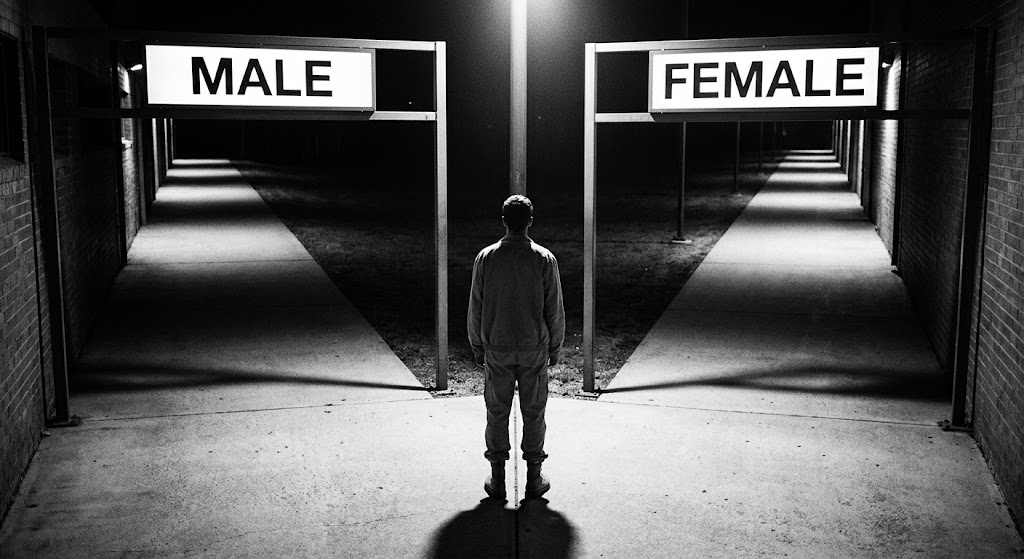
Greater awareness can help challenge stereotypes and encourage conversations about inclusion, respect and equal treatment.
For intersex people, being recognised should go beyond being counted. It should also mean being able to seek housing, education, employment and essential services without facing discrimination because of who they are.