Advertisement
Smart ways to manage HELB money without going broke
09th July, 2026 12:28 PM

When the Higher Education Loans Board (HELB) credit alert finally hits a comrade’s phone, it feels like a massive relief.
For many Kenyan students, this is the first time handling a large amount of money at once. However, without a clear plan, that cash can vanish within a few weeks, leaving a student stranded.
Surviving the semester requires a mix of self-control and practical choices right from the start.
Sorting out the must-haves first
Under the higher education funding model launched on May 3, 2023, students receive different amounts of upkeep based on their level of financial need.
Whether the allocation is Sh20,000 or Sh35,000, the temptation to spend it on electronic gadgets or peer trends is always high. Living away from home for the first time comes with sudden independence and tough choices.
Peer-reviewed research highlights just how easily new students can get overwhelmed by these responsibilities. A study published in the IOSR Journal of Humanities and Social Science notes that “each first year student has to make decisions regarding where they sleep, what to spend, how to spend, who to socialize with among other decisions”.
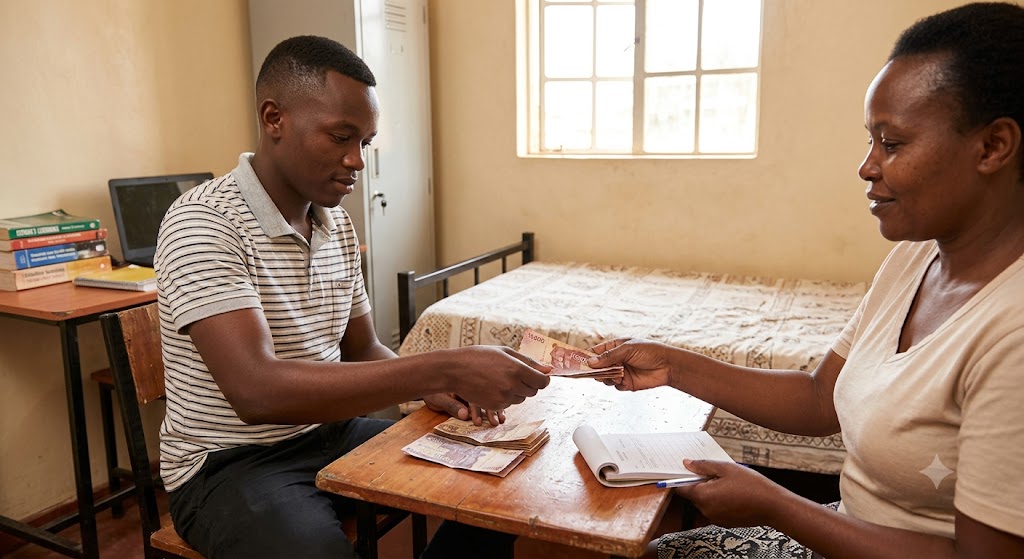
The safest move is to settle fixed costs the moment the cash arrives. This means paying hostel rent, purchasing required learning materials, and clearing any tuition balances.
Taking care of these obligations first keeps a student safe from eviction or getting turned away from exam rooms later in the semester.
Stretching the remaining coins
After handling the main bills, whatever money remains must be split carefully to cover daily meals and transport. Campus life is full of financial traps, from unplanned weekend plans to impulse shopping.
To avoid going broke before the semester ends, creating a simple weekly budget is necessary. Dividing the available upkeep cash by the total number of weeks in the semester shows exactly what the daily spending limit should be.

Cooking meals instead of eating out and buying groceries from open-air markets saves a significant amount of money. Walking short distances instead of taking matatus also helps the wallet.
Staying disciplined protects a student from the stress of borrowing from predatory mobile lending apps when emergencies arise. Managing HELB funds responsibly ensures a smooth academic year and builds the financial skills needed long after graduation.