Advertisement
How long after graduation should you start repaying your HELB loan?
21st November, 2025 09:04 PM
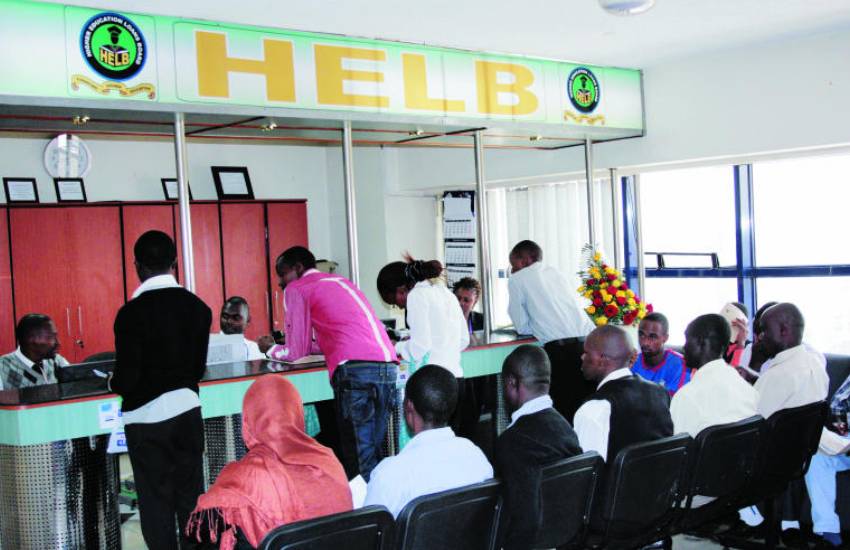
The Higher Education Loans Board (HELB) recently revealed that lawyers and accountants lead in student loan defaults, even as the agency pushes for new legal powers to freeze bank accounts of beneficiaries who have refused to repay their loans.
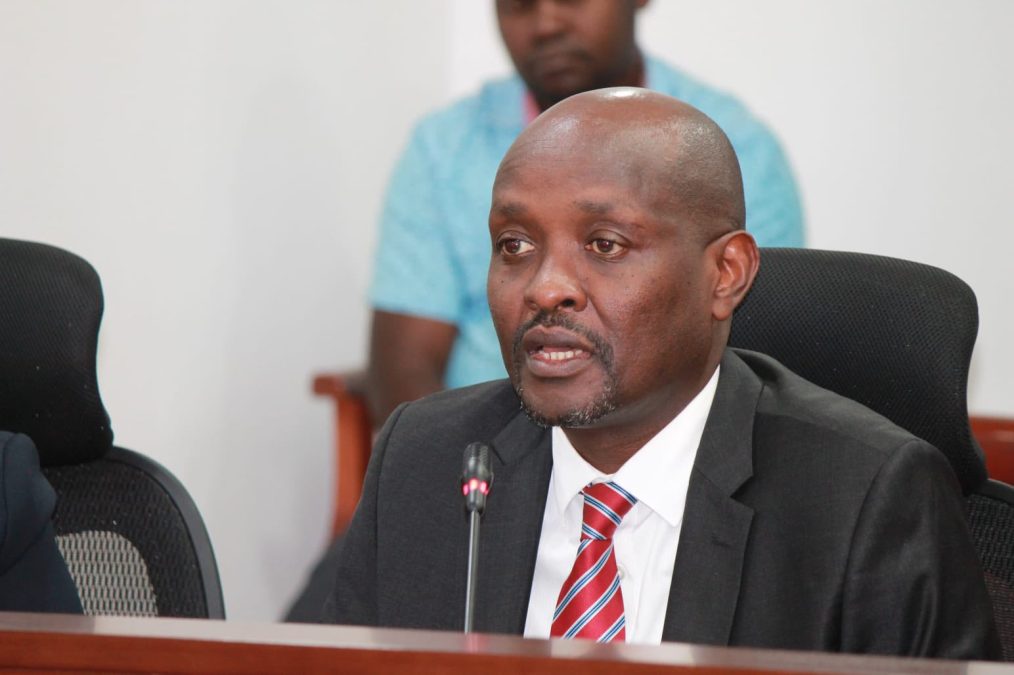
HELB Chief Executive Officer Godfrey Monari said that 21,356 lawyers, 19,580 accountants, 16,855 doctors, and 12,014 engineers have failed to honour their repayment obligations, despite many being in stable employment or running profitable businesses.
“We are moving to strengthen our legal framework so that we can freeze the bank accounts of defaulters who are able but unwilling to pay,” said Monari.
“This is about fairness and sustainability — HELB is a revolving fund; when you repay, another student gets a chance to study.”
Also watch: HELB seeks access to KRA, telco data to boost loan recovery and scholarship vetting
In the wake of these figures, if you’ve benefited from a student loan, you might be wondering when the repayment obligation kicks in after graduating. As a beneficiary, here is everything you need to know.
When repayments start
- The repayment obligation typically begins one year after completion of your studies (i.e., 12 months after your graduation date).
- If you find employment before the end of that year-long grace period, you are encouraged to start repayments earlier.
- If you remain unemployed or pursue further studies, you must inform HELB and may apply for a deferment or moratorium to avoid penalties.
According to HELB, for undergraduate loans repayment “starts within one year of completion of studies or within such a period as the Board decides.”
Also watch: HELB CEO defends listing of defaulters, says genuine hardship cases won’t be affected
HELB imposes interest and penalties on outstanding balances when repayments are delayed. The earlier you begin repayments, the lower the interest and penalty burden.
What this means for you
- Use the graduation date as your reference point. You ideally start repayment in the 13th month after that date.
- If you secure a job in that first year, start payments earlier to ease future burden.
- If you cannot yet repay because you’re not employed or are studying further, formally apply for HELB’s moratorium or deferment—this protects you from the accumulation of penalties.
- Keep checking your HELB account to ensure payments or deferments are properly recorded.
Timely repayment helps you avoid accrued interest and penalties, negative listings or clearance issues when seeking employment, and long-term financial burdens from delayed loan servicing.