Advertisement
Nairobi imposes new charges on content creation: How much filmmakers, influencers and creators will pay
24th August, 2026 04:03 PM

Creating content in Nairobi could come with a price tag after the county introduced new charges covering various filming and digital entertainment activities.
The new fees have sparked concern among filmmakers, influencers and other content creators, with many wondering whether they will now have to pay to shoot videos around the city.
However, Nairobi Governor Johnson Sakaja on Monday, August 24, 2026, moved to clarify that the new charges are not intended to target ordinary social media users or creators making everyday content.
“These charges were never intended to target ordinary content creators, influencers or young people creating digital content. Our intention is to regulate professional and commercial film productions that require significant use of public spaces and infrastructure,” Sakaja said.
“There is a clear difference between a content creator shooting a video for social media and a large film production arriving with a crew, equipment, and vehicles and requiring the temporary closure or controlled use of a road. That is who we are targeting.”
The charges are contained in the Nairobi City County Finance Act 2026 and cover activities including commercial filming, music-video production, content creation studios and monetised influencer events.

So, how much will filmmakers, influencers and other content creators pay?
- Local commercial filming (Ksh 8K)
Local commercial filming will attract a fee of Ksh8,000 per shooting session.
The charge applies to commercial productions rather than someone simply recording a video for their social media page.
- External commercial filming (Ksh50K)
External commercial productions will pay Ksh50,000 per shooting session.
This is significantly higher than the charge for local commercial productions and applies to productions falling under the county’s external filming category.
- Music-video production (Ksh10K)
Anyone undertaking commercial music-video production will be required to pay Ksh10,000 per production.
The charge forms part of the county’s new licensing framework for filming and entertainment activities.
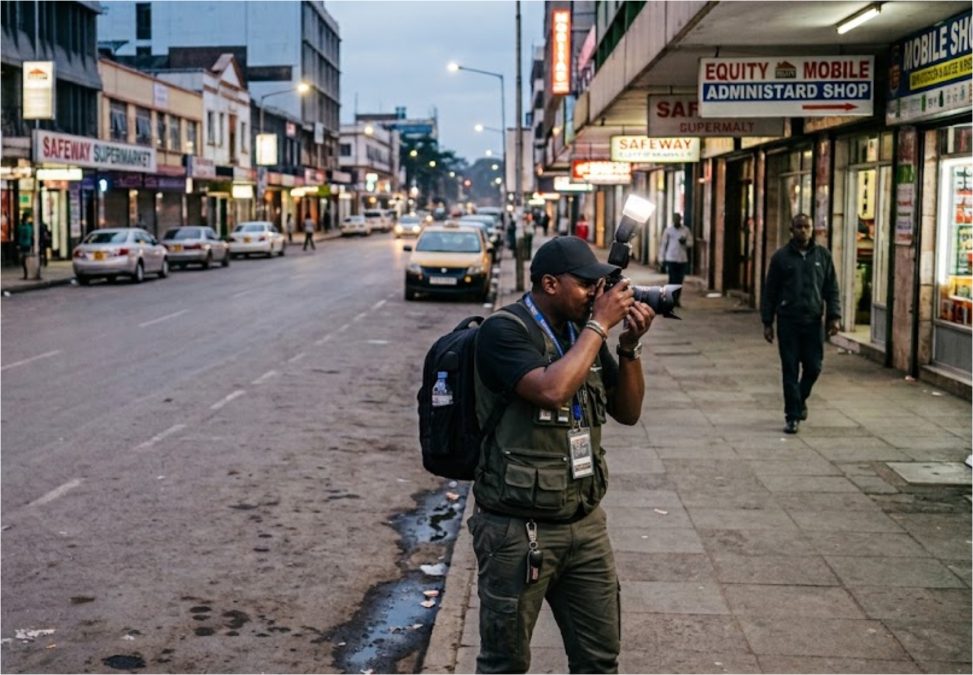
- Content creation studios (Ksh40k annually)
Established content creation studios will pay an annual fee of Ksh40,000.
This category is aimed at businesses operating content-production studios rather than individuals casually recording videos from home or other locations.
- Monetised influencer events (Ksh10K)
Influencers organising monetised events will pay Ksh10,000 per event.
This means an influencer hosting a revenue-generating event falls under a different category from someone simply creating and posting ordinary social media content.
- Local streaming platforms (Ksh100K annually)
Local streaming platforms will face an annual fee of Ksh100,000.
The county has also introduced an annual charge of Ksh80,000 for digital content platforms.
- Religious and private filming (Ksh8K)
Religious and private filming will attract a fee of Ksh8,000.
The charge is separate from the fee for local commercial filming.

What about influencers and everyday content creators?
This is where the new charges initially caused confusion.
Following concerns from content creators, Sakaja said ordinary creators are not the target of the new licensing requirements.
The governor explained that the county is seeking to regulate larger professional and commercial productions that make extensive use of public spaces and infrastructure.
There is a difference between an individual recording a short video for social media and a production crew arriving with cameras, equipment, vehicles and other resources, according to Sakaja.
Why Nairobi introduced the charges
The county’s new fee structure is part of the 2026 Finance Act, which introduced specific charges for different activities carried out within Nairobi.
Additionally, the move has raised concerns among players in the creative industry, particularly over the possible impact of additional costs on independent filmmakers and smaller production companies.
However, the county government maintains that the charges are aimed at commercial activities and larger productions rather than young people simply creating content for platforms such as TikTok, Instagram and YouTube.
For Nairobi’s growing creative economy, the clarification is important: not every person who picks up a phone to create content should interpret the new charges as a fee for simply posting on social media.