How to budget for a baby’s first year
By Dan Kauna, September 17, 2026Welcoming a newborn is one of life’s most joyful milestones, but the sudden shift in expenses often catches new parents off guard. From medical bills to daily nursery essentials, the financial demands of a child’s first twelve months can quickly overwhelm a household budget.
Preparing early allows parents to navigate these costs with confidence rather than anxiety.
Healthcare and daily necessities
The first major expense arrives before the baby even comes home. Delivery costs in Kenya vary widely depending on whether you use a public or private facility.
A routine hospital delivery can range from Ksh20,000 in public centres to upwards of Ksh150,000 in private hospitals. Parents should check their insurance coverage well before the due date to understand what is paid for and what requires out-of-pocket settlement.
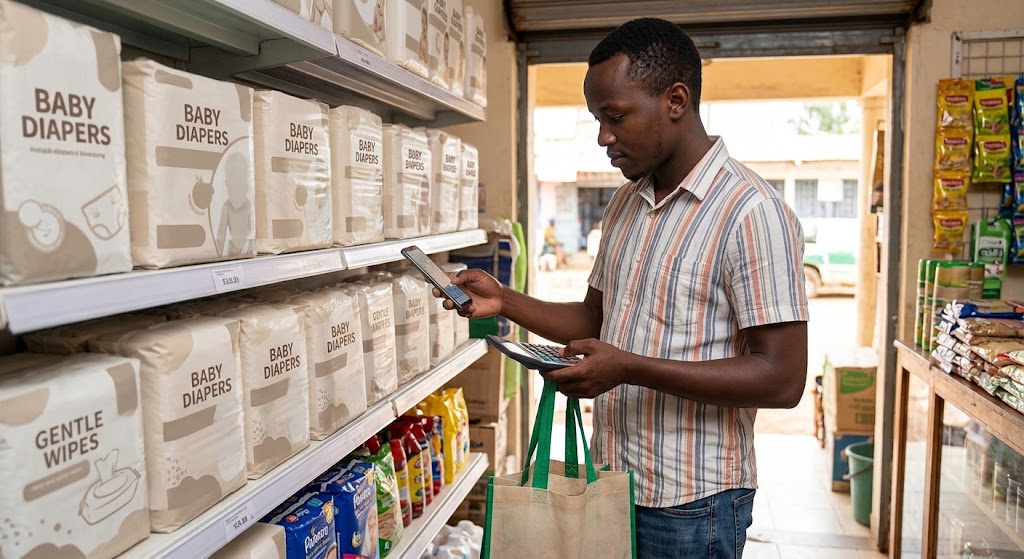
Once the baby arrives, recurring costs take over. Items like diapers, wipes, and infant clothing accumulate fast. A single month of diapers alone can cost between Ksh3,000 and Ksh8,000.
Peer-reviewed research on parental strain in PMC noted how “pregnancy was associated with financial strain” as parents face ongoing, unpredictable expenses for basic care items.
Buying bulk essentials during sales and accepting gently used clothes from family can significantly reduce this burden.
Safety net for hidden costs
Unexpected healthcare visits and routine immunisations also require careful planning. While basic vaccines are accessible at public health clinics, specialised vaccinations or private consultations can add sudden costs.
Establishing a dedicated emergency fund before birth prevents families from relying on high-interest loans when urgent medical needs arise.
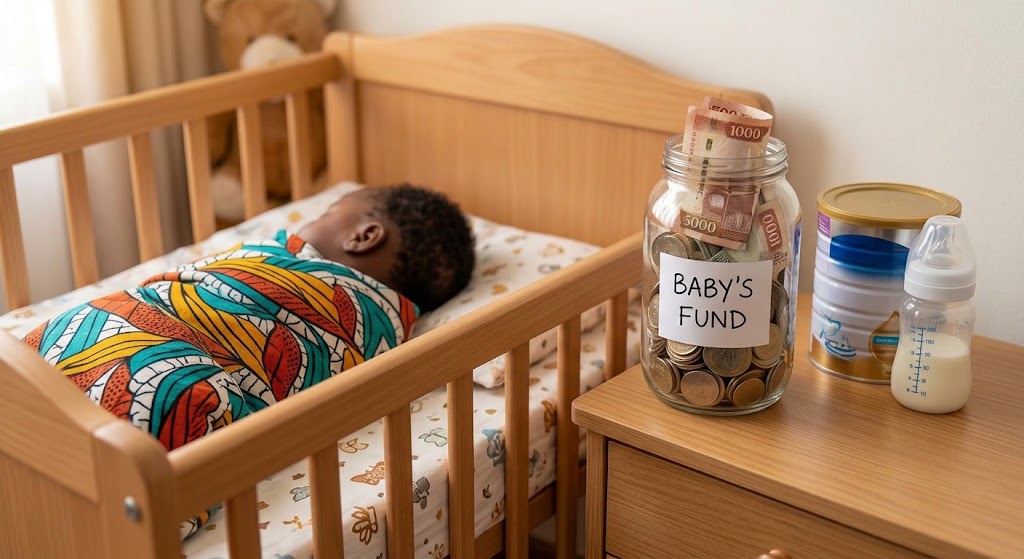
Financial planners recommend setting aside at least three months of living expenses alongside a buffer of Ksh30,000 specifically designated for unexpected infant healthcare.
Beyond medical emergencies, planning for feeding options is equally important. If formula feeding becomes necessary, monthly costs can easily exceed Ksh10,000.
By laying out a clear spending plan, parents can protect their savings, reduce household stress, and focus on enjoying their newborn’s milestone moments.