How malls are designed to make you spend money
By Dan Kauna, July 3, 2026Walking into a shopping mall in Nairobi or Mombasa is rarely just a quick errand.
Whether strolling through the wide corridors of Two Rivers Mall, the busy walkways of Sarit Centre, or the modern spaces of Junction Mall, the entire experience is carefully engineered.
Mall design functions as a silent science. Every single detail, from where the escalators sit to the subtle scents drifting from major retail stores, aims to turn a focused shopper into an impulse buyer.
This setup shifts how people handle their money, often leading to quick, unplanned spending.
Hidden tricks in the layout
Malls are built to alter a person’s sense of time and direction. This explains why standard shopping centres purposefully lack large clocks and natural light windows.
By blocking out the outside world, these properties create an environment where time simply fades into the background, making it easy to linger far longer than intended.
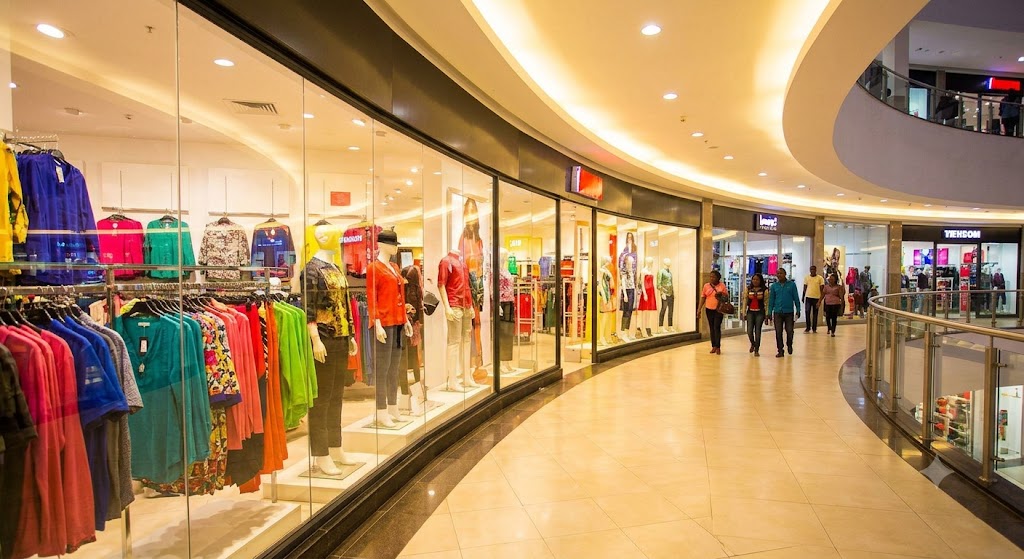
Escalators are also placed strategically throughout the building. They are rarely stacked directly above one another. Instead, shoppers must walk around entire floors and past dozens of brightly lit shop windows just to reach the next level.
This layout deliberately maximises exposure to retail storefronts.
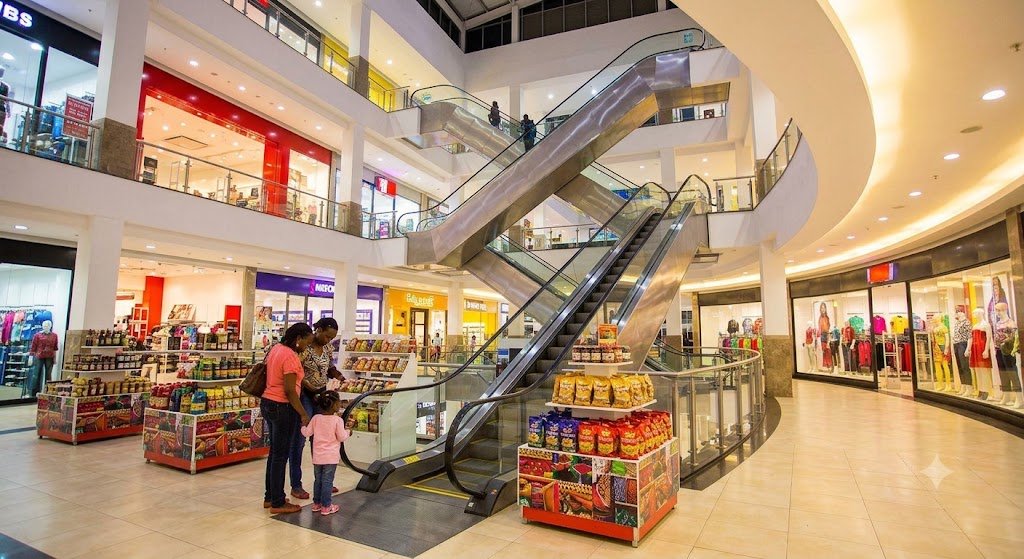
A peer-reviewed study published by MDPI confirms this strategy, noting that “strategic product placement, clear sightlines, and an overall sense of order in the store can prompt customers to explore more products and make spontaneous purchases.”
By extending the walking path, malls systematically increase the chances of an extra transaction.
Scent marketing and checkout traps
Sensory triggers play a major role in how these commercial hubs operate. Major anchor supermarkets and clothing stores frequently use specific scent marketing near their main entrances.
Pleasant aromas are designed to reduce financial stress and lower a buyer’s logical resistance. Inside the supermarket aisles, high-margin goods sit precisely at eye level on endcap displays, making them look highly appealing and essential.
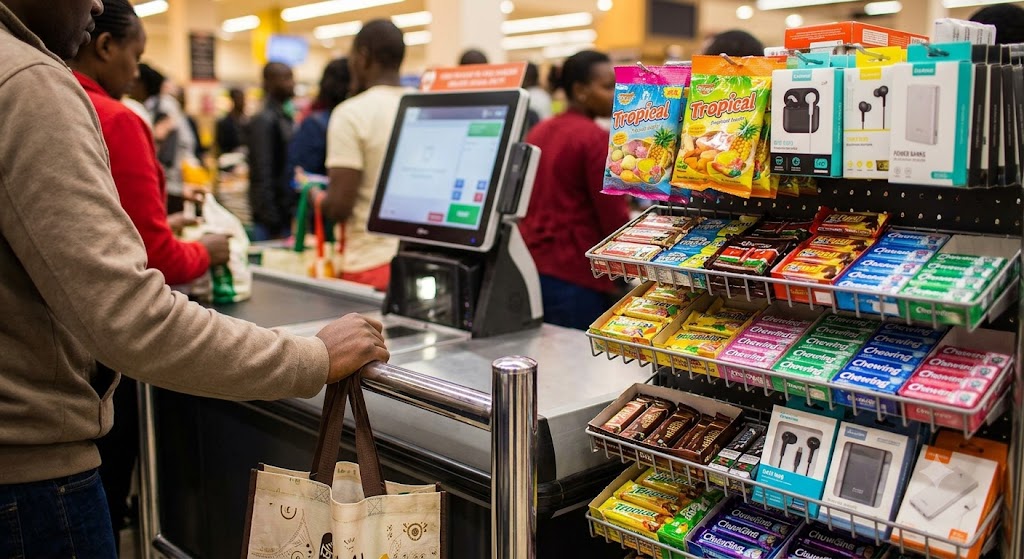
The final test happens right at the checkout queue. These narrow walkways are intentionally packed with low-cost items like sweets, snacks, phone chargers, and lip balms.
After spending an hour navigating a massive complex, mental fatigue sets in, and the brain lowers its natural guard. This is why grabbing an extra item priced at Sh100 or Sh200 feels completely harmless at that moment.
Recognising these deliberate retail setups gives everyday shoppers real control over their wallets, making it much easier to stick to a budget.