Advertisement
Small household expenses that drain money
27th May, 2026 12:05 PM

Many households often focus on big bills like rent, school fees, or transport while overlooking small, repeated expenses that slowly eat into monthly income. These costs may seem harmless at first, but over time, they create financial pressure that is difficult to trace.
Every day spending, such as frequent food delivery, unused subscriptions, impulse shopping, or buying items in small portions instead of bulk, can quietly drain money without being noticed. Consistent small-scale consumption patterns are one of the leading contributors to low household savings in developing economies, especially where budgeting habits are informal
Financial experts often refer to this as “leakage spending”, money that leaves the household without clear tracking or planning. Small amounts spent regularly on non-essential items can become a significant financial burden over time if not monitored.
Everyday convenience costs
Convenience often comes at a price. Buying ready-made meals, using paid delivery services, or opting for instant solutions may save time but increase long-term spending. A single small purchase might not feel impactful, but repeated over weeks, it forms a large portion of monthly expenses.
Even items like bottled water, takeaway snacks, and last-minute transport choices fall into this category. These are expenses that are rarely planned but frequently repeated.
Forgotten subscriptions and digital payments
In the digital age, many people sign up for streaming platforms, mobile apps, and online services. The challenge begins when these subscriptions continue unnoticed, even when they are no longer used.
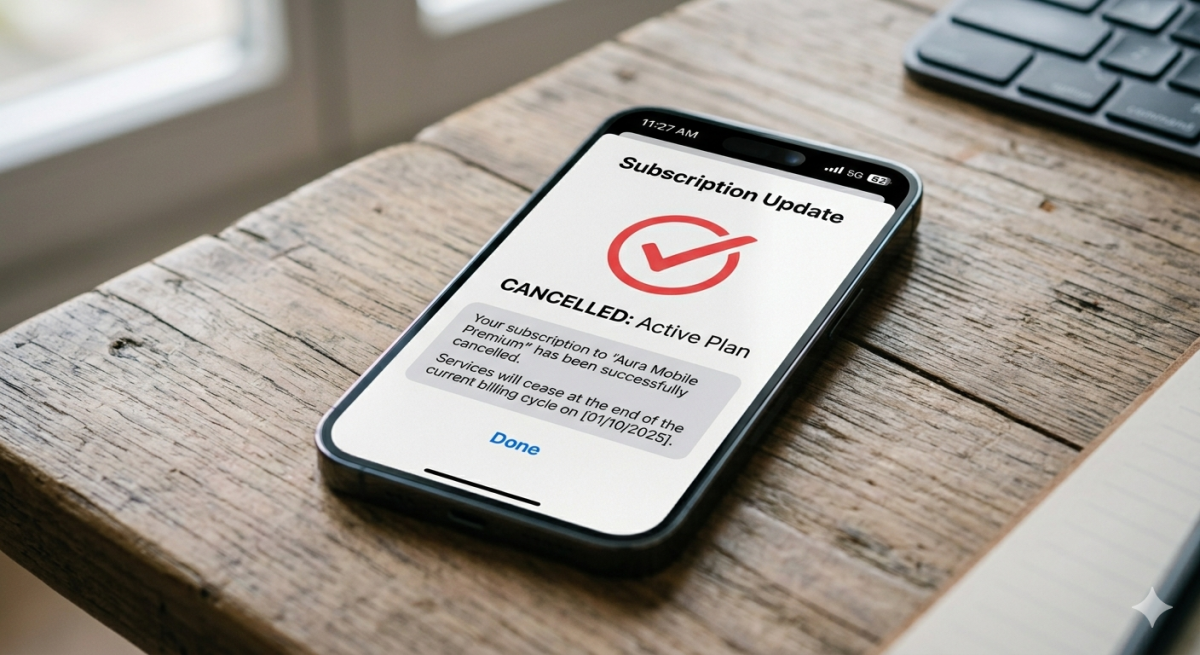
Reports from the Consumer Financial Protection Bureau showed that automatic renewals are among the most commonly overlooked financial drains for consumers. These small deductions can continue for months without being questioned, especially when mobile money notifications are ignored.
Impulse buying and emotional spending
Unplanned purchases, especially those triggered by stress or social influence, can also affect household budgets. Small items bought frequently, clothing accessories, gadgets, or discounted products, may seem affordable but accumulate quickly.
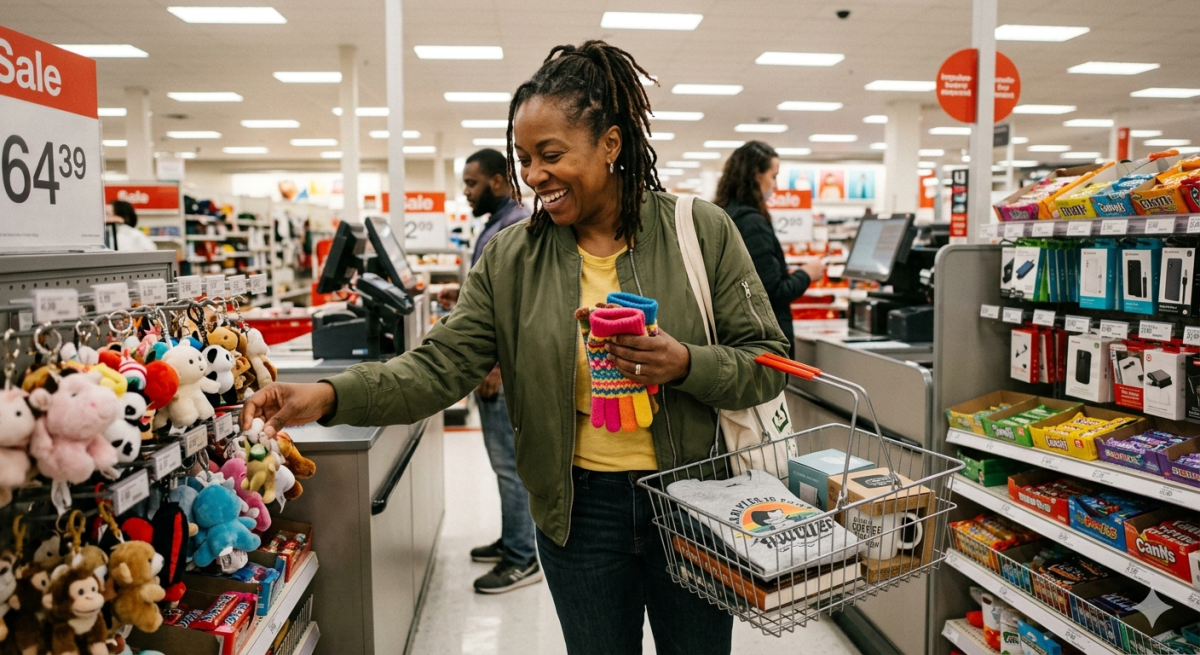
The Money Advice Service highlighted that emotional spending often bypasses budgeting decisions, leading to reduced savings capacity over time.
Building awareness around spending habits
Managing small expenses does not necessarily require strict budgeting systems. Instead, simple practices such as tracking daily spending, reviewing subscriptions monthly, and setting limits for non-essential purchases can make a noticeable difference.
Experts emphasised that financial stability is not only about income but also about awareness of how money is used daily.
Household financial pressure is not always caused by major expenses. In many cases, it is the small, repeated costs that go unnoticed until they accumulate. By identifying these silent drains early, households can create more control over their finances and improve long-term savings habits.