Advertisement
Why first-day shopping in Gikomba Market remains unforgettable for Kenyans
13th May, 2026 12:41 AM
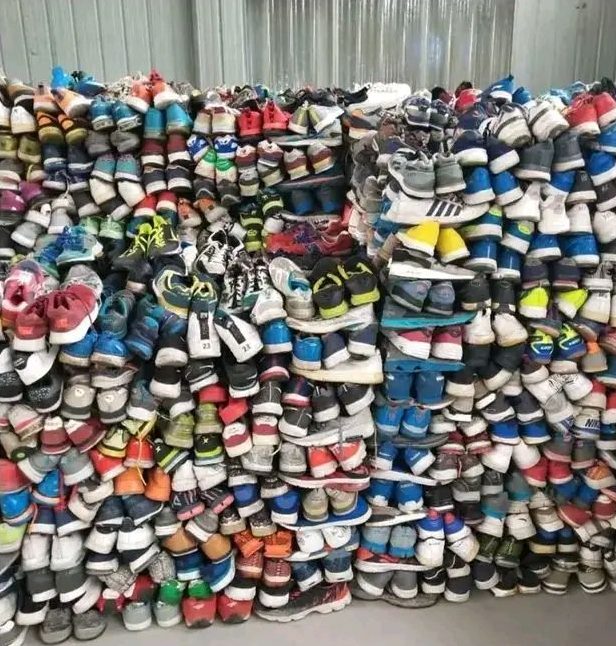
For many Kenyans, a first visit to Gikomba Market is never just about buying clothes or shoes.
It becomes a survival lesson, a bargaining masterclass, and sometimes a painful introduction to Nairobi’s toughest shopping culture.
The market is famous for cheap mitumba, endless bargains, and hidden treasures, but first timers often leave with stories they tell for years.
From being overcharged to struggling with coded price language, Gikomba has built a reputation as a place where experience matters more than money.
Confusing language
One of the biggest surprises for new shoppers is the unique pricing code used by traders. In many sections of Gikomba, numbers do not always mean what they sound like.
A seller may shout “fifteen” or “thao,” but the actual intended amount could be much lower depending on the context, item, or bargaining process.
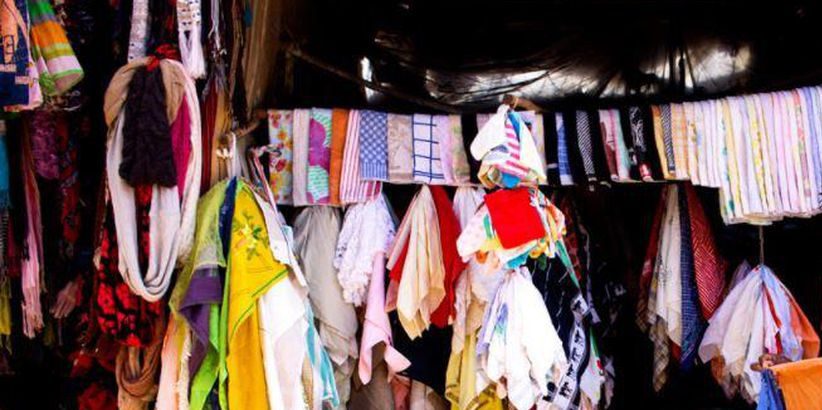
Experienced shoppers understand that prices are often shortened or hidden in street slang and Sheng.
Someone unfamiliar with the system can easily think an item costs Ksh1,500 when the seller actually expects Ksh150 or Ksh500 after negotiation.
This coded communication helps traders move quickly in the crowded market, but it also leaves many newcomers confused and vulnerable.
Regular shoppers say language matters in Gikomba. Sellers reportedly judge customers based on how they speak, dress, and negotiate.
English speakers or people dressed expensively are sometimes quoted higher prices than shoppers speaking Sheng or Kiswahili casually.
Why many first-time shoppers get conned
Many Kenyans remember their first Gikomba trip because of the mistakes they made.
New buyers are often overcharged because they accept the first price given without bargaining aggressively.
Some also fall for middlemen who promise to “show them where good items are,” only to secretly inflate prices and take commissions from sellers.
Online discussions about Gikomba are filled with stories of shoppers discovering later that they paid double or triple the normal price.
One Reddit user recalled buying a lab coat for KSh 1,000 only to learn a friend bought the same item from the same place for KSh 350.
Pickpocketing and phone theft are also common concerns in the busy market.
The crowded paths, loud bargaining, and constant movement create confusion that criminals sometimes exploit.
Many experienced shoppers now carry only cash, avoid flashy dressing, and keep phones hidden while shopping.
Why Kenyans return to Gikomba
Despite the chaos, many Kenyans still love Gikomba because of the unbeatable bargains and unique fashion finds.
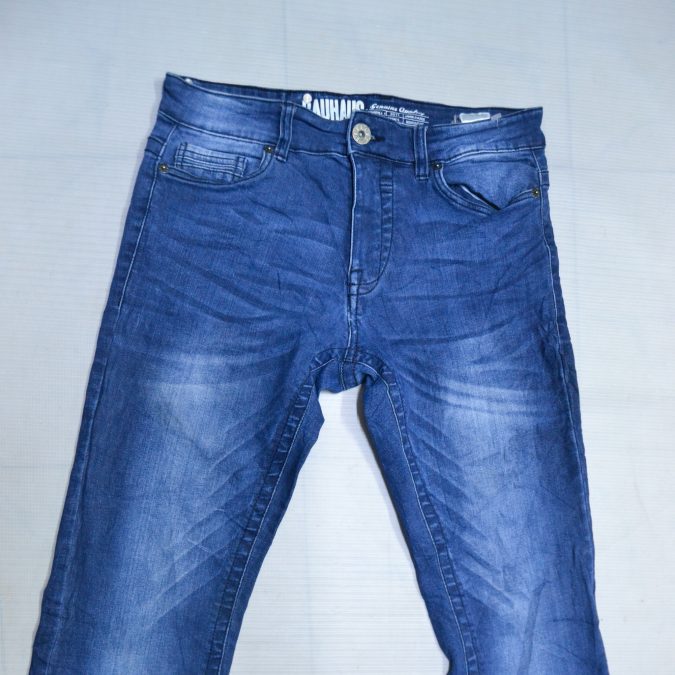
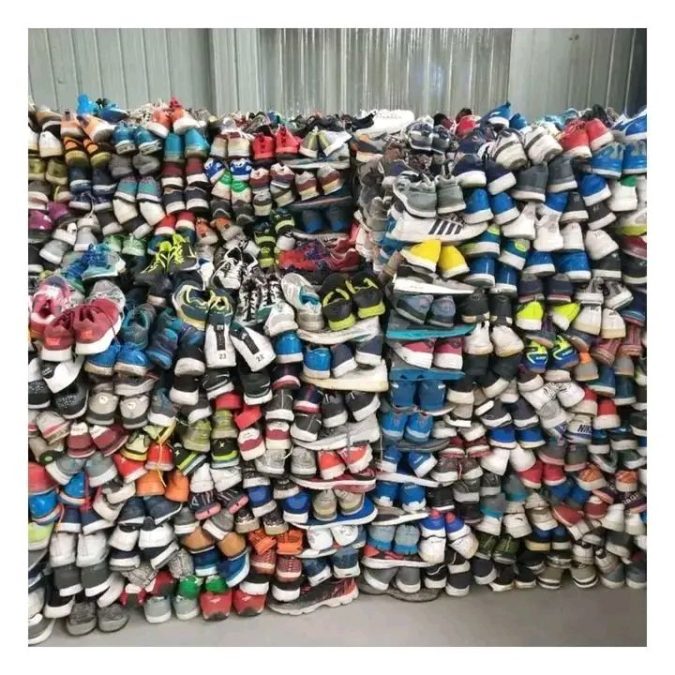
Shoppers can find branded jeans, jackets, sneakers, and dresses at prices far lower than in boutiques or malls.
Some traders even say Gikomba offers more authentic quality than certain expensive stores selling counterfeit products.
The market also reflects Nairobi’s hustle culture. The shouting vendors, endless bargaining, and packed streets create an atmosphere unlike anywhere else in Kenya.
For first timers, the experience can feel overwhelming, but it often becomes a rite of passage.
Most experienced shoppers eventually learn the unwritten rules: arrive early, bargain with confidence, avoid appearing too wealthy, and never trust the first quoted price.
Once someone understands the language and rhythm of Gikomba, the market becomes less intimidating and more rewarding.