Advertisement
How buy-one-get-one deals make you spend more
25th July, 2026 11:14 AM
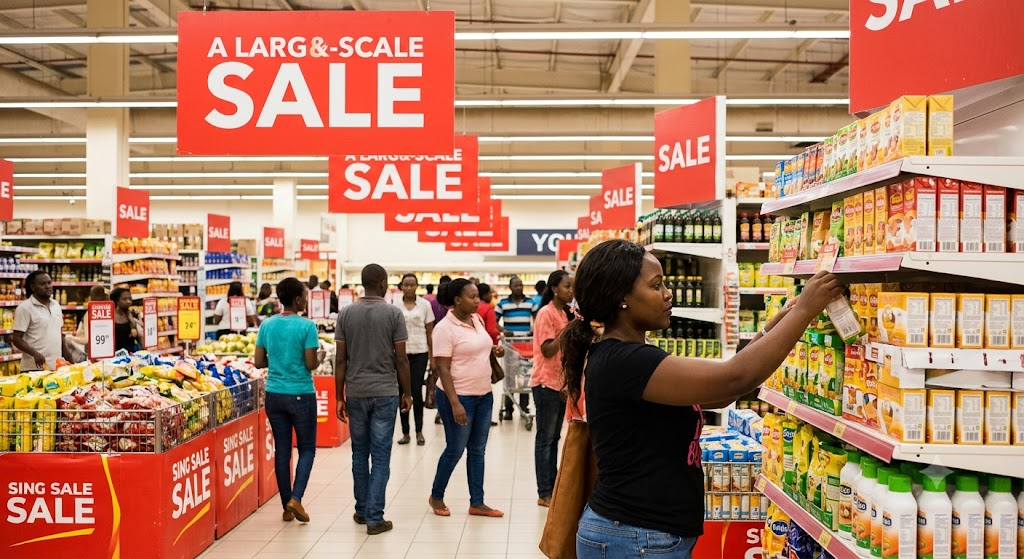
Weekend shopping often comes with bright offer stickers across supermarket aisles. From cooking oil and bar soap to bread and flour, buy-one-get-one offers look like simple ways to save cash.
Most shoppers walk out feeling like they bagged a bargain, only to check their receipts later and realise they spent far more than planned.
How free items trick your brain
These offers work because they change how you view spending. When a supermarket offers a direct price discount on a product, you naturally compare the old price to the new one.
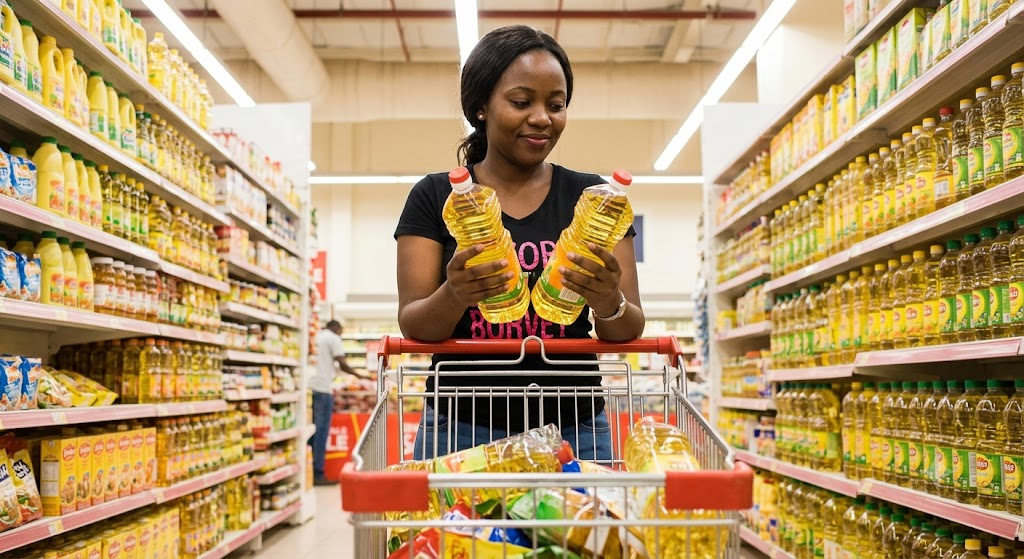
However, adding a free item removes that quick calculation. You stop asking whether you actually need a second bottle of juice for Ksh500 when your original budget was Ksh300 for just one. The store successfully doubles your spending while clearing its own shelves.
In a 2020 study published in the Journal of Business Research, Gordon-Hecker pointed out that “people prefer BOGO deals, and they tend to choose them over price reductions even when the deals are equal in terms of net value.”
This mental shortcut makes buyers focus on getting extra items rather than keeping cash in their pockets.
Why stores push volume offers
Supermarkets deal with tight expiry dates and limited shelf space. When items sit for too long, stores risk taking heavy financial losses.
Cutting prices directly can make a product look low quality, so retailers use buy-one-get-one deals to move large volumes quickly. By forcing you to take two items to unlock the reward, the supermarket moves stock out of its warehouse and into your household storage.
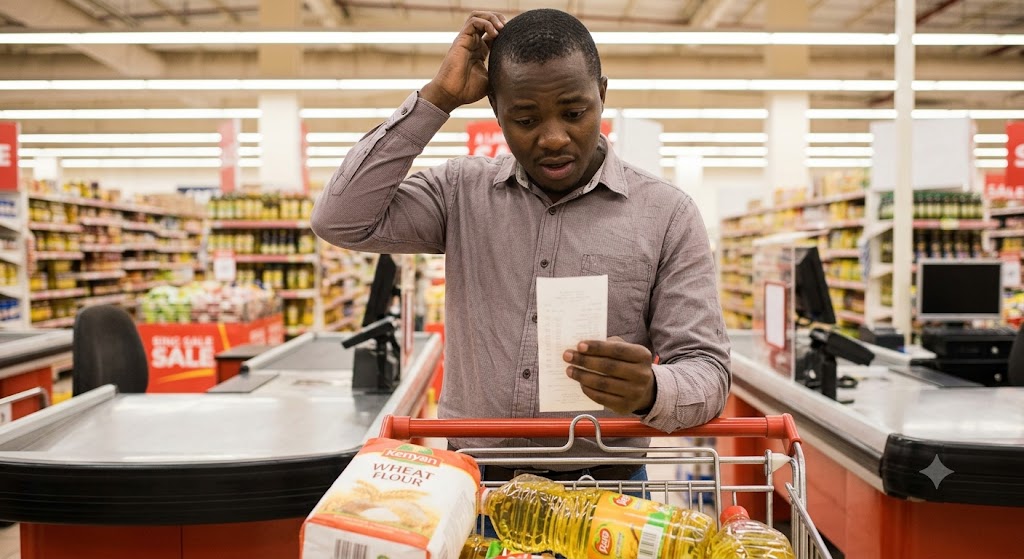
This setup works best on everyday household goods. When you have two large tubs of margarine or extra packets of sugar at home, your household tends to use them up faster, sending you back to the shop sooner.
For items with a long shelf life, that extra packet sits in a cupboard while your wallet takes an immediate hit.
Avoiding this trap comes down to simple shopping discipline. Stick strictly to your shopping list before walking through the supermarket entrance. Spending Ksh1,000 on two discounted items you never intended to buy is still spending Ksh1,000 extra.