Advertisement
Common mobile banking charges that could be draining your money
10th August, 2026 11:58 AM
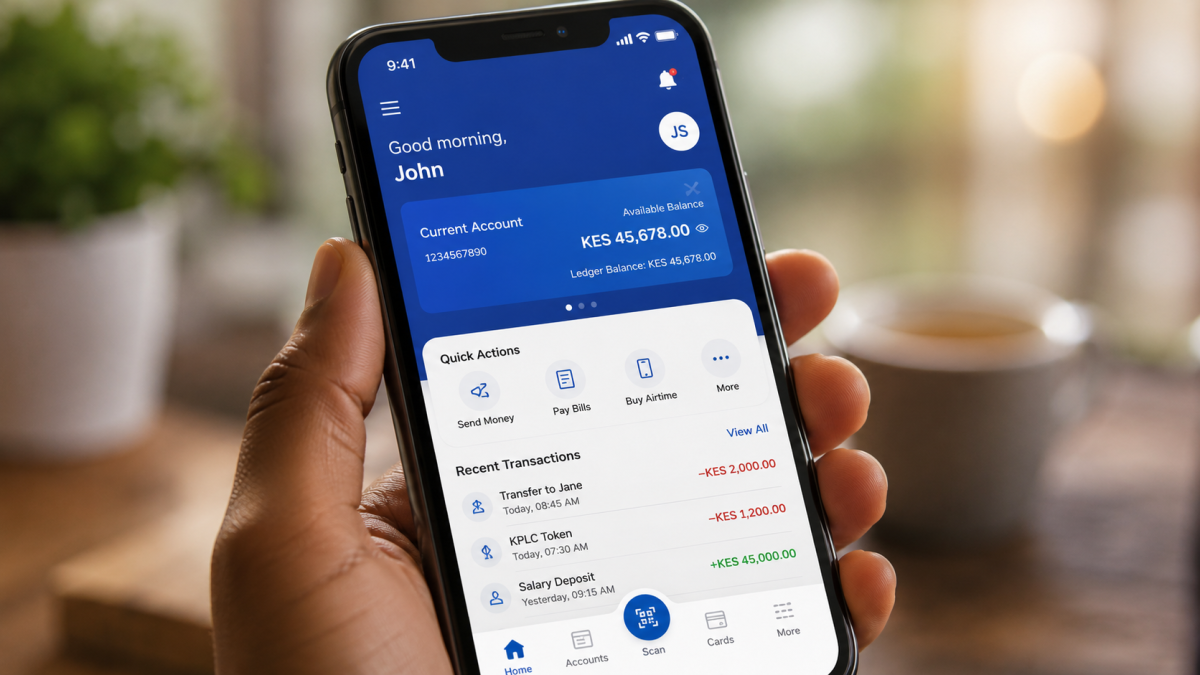
Mobile banking has made it easier to send money, pay bills and access financial services without visiting a bank. However, the convenience can also make it easy to overlook the small charges attached to everyday transactions.
A few shillings may not appear significant when making one transaction, but repeated payments, withdrawals and transfers can gradually increase the amount spent on banking fees.
For people who use mobile money several times a day, understanding where these charges come from can help reduce unnecessary spending.
Sending money frequently
One of the most common costs comes from sending money to another person. The amount charged usually depends on the value of the transaction and the service being used.
Sending small amounts several times instead of combining payments where practical can mean paying transaction fees repeatedly.
This is particularly important for people who regularly send money to family members, friends, suppliers or other service providers.
Financial experts have previously emphasised transparency and disclosure in mobile money pricing, requiring customers to have clear information about the charges they will incur when using digital payment services.
Cash withdrawal charges
Withdrawing money from a mobile wallet also comes with a cost. The fee can vary depending on the amount withdrawn and the service provider or channel used.
Frequent withdrawals can therefore become an overlooked expense, especially when someone withdraws small amounts several times instead of planning their cash needs.
For someone who withdraws money every few days, checking the applicable tariff before making a transaction can reveal how much is being spent on these small charges over time.
The Communications Authority of Kenya provides tariff information for telecommunications services, including mobile money-related information, allowing consumers to check the applicable charges.
Moving money between accounts
Transferring money between a mobile wallet and a bank account can also attract charges depending on the service and transaction involved. Although moving money electronically may be cheaper and more convenient than travelling to a branch, frequent transfers can still add to the cost of managing money.
This becomes more noticeable when money is repeatedly moved from a bank account to a mobile wallet and back again for different payments.
Paying bills and buying services
Mobile banking is also widely used for paying electricity, water, television subscriptions, school fees and other services.
While some payments may have low or no transaction fees depending on the provider, others can carry charges. Customers who make many payments should therefore check the amount displayed before confirming each transaction.
Failed transactions can also cost you
A failed or reversed transaction can create confusion, particularly when money appears to have been deducted before being returned later.
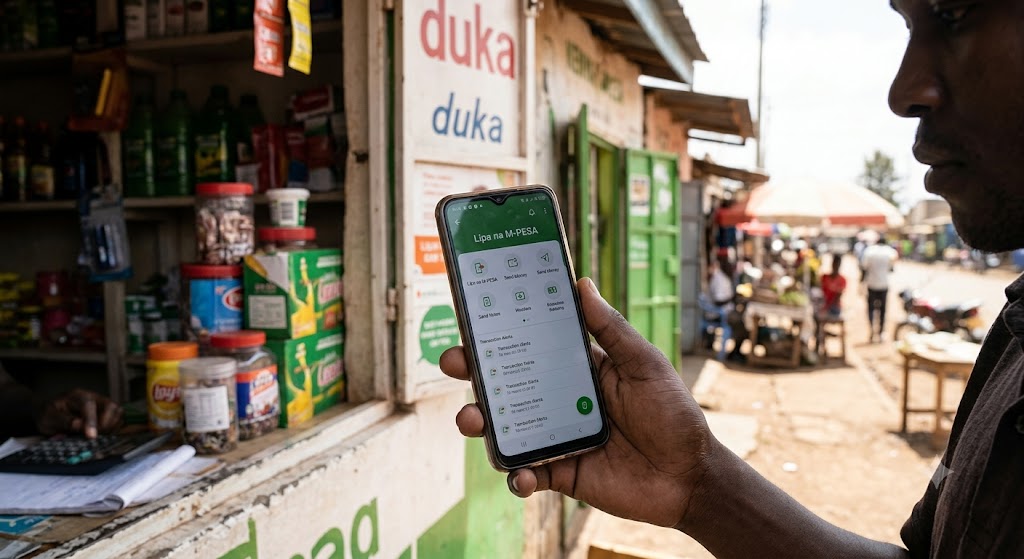
Although a failed transaction does not necessarily mean a permanent loss, repeated attempts to complete the same payment can result in additional charges depending on the service and transaction.
How to keep the charges under control
The first step is to pay attention to the transaction confirmation message instead of simply checking whether the payment went through. The message normally shows the amount sent and the applicable transaction cost.
It is also useful to review mobile money statements regularly. Looking at several weeks of transactions can reveal patterns that are easy to miss when focusing only on individual charges.
Where possible, planning payments, reducing unnecessary transfers and choosing the most affordable available channel can help keep banking costs under control.