Advertisement
Broke by Tuesday?: 5 spendthrift habits Kenyans must drop immediately
26th May, 2026 12:52 PM
There was a time in Kenya when Ksh1,000 felt powerful. You could fuel the car kidogo, buy lunch, send fare to your cousin, pass by the supermarket and remain with enough money to feel emotionally stable. Today, Ksh1,000 disappears so fast you begin suspecting your M-Pesa account is haunted.
The economy has humbled almost everyone. Salaries are stretching like old rubber bands, shopping baskets are becoming lighter, and many people are now entering supermarkets with calculators instead of confidence. Yet despite the financial pressure, some Kenyans are still spending money like they are secret children of billionaires hiding from inheritance drama.
The truth is that spendthrift habits are no longer just bad financial decisions. In this economy, reckless spending can easily become a full-time crisis, complete with stress, debt and panic attacks every time rent day approaches. The good thing is that cutting unnecessary spending does not mean becoming boring or living like a caveman surviving on boiled arrowroots and motivational quotes.
It simply means becoming smarter with money.
1. Stop treating every weekend like a soft life documentary
Some people cannot sit at home peacefully for even one Saturday. The moment Friday reaches, they suddenly develop expensive ideas involving road trips, cocktails, nyama choma, matching outfits and mysterious plans that always end with “Tutajua huko mbele.”
The problem with constant outings is not just the money spent directly. It is the sneaky spending around them. Transport, food, drinks, random contributions, late-night cravings and emergency purchases somehow multiply until your account balance starts looking like a joke.
Many Kenyans fall into lifestyle inflation, where every little salary increase immediately becomes an excuse for bigger spending instead of better saving.
There is nothing wrong with enjoying life. The issue begins when enjoyment becomes a financial emergency every Monday morning. Learn the beautiful art of staying indoors occasionally. Your sofa misses you. Your wallet misses peace, too.
2. Unfollow financially dangerous social media pressure
Social media has become one giant competition of who appears richest while secretly surviving on Fuliza and prayer. Every day, somebody is posting luxury brunches, airport photos, expensive gifts and “soft life” captions that make ordinary people feel like failures for eating leftover ugali at home.
What many people forget is that social media rarely shows debt, stress or overdraft messages.
Trying to copy lifestyles you cannot comfortably afford is one of the fastest ways to become broke with excellent Instagram stories. Financial experts often warn against emotional spending driven by comparison because it creates unrealistic habits and unnecessary pressure.
Sometimes you see someone buying a new iPhone every year, while your Tecno still works perfectly. Suddenly, your phone starts looking poor to you despite functioning like a loyal employee.
Not every trend deserves your participation. Some things are better admired from a distance, like lions at the Maasai Mara.
3. Respect budgeting
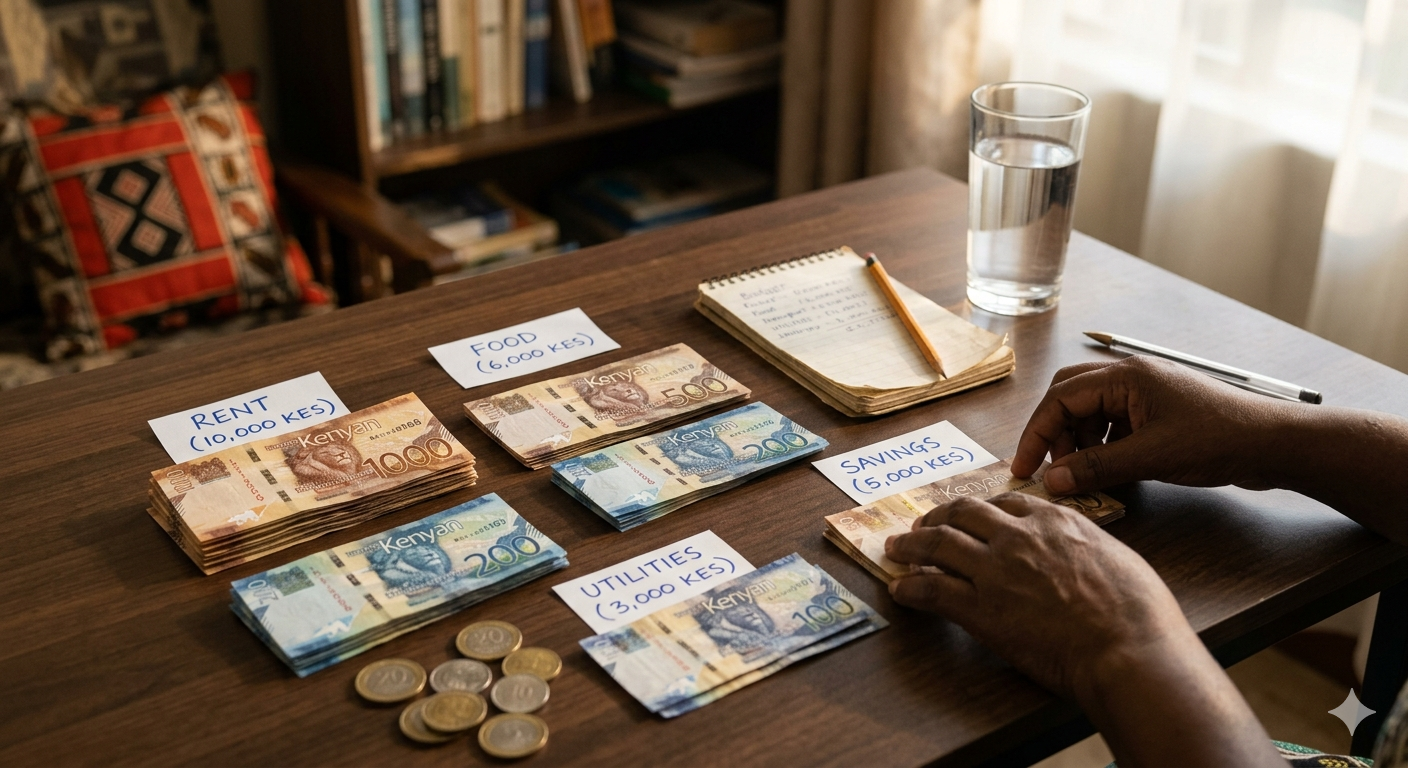
Many people fear budgeting because they think it removes joy from life. In reality, budgeting simply tells your money where to go before confusion and temptation kidnap it.
Without a budget, money behaves like guests at a Kenyan wedding buffet. Everybody grabs aggressively until nothing meaningful remains.
One useful method recommended by financial planners is dividing income into categories such as essentials, savings and leisure spending.
The funniest thing about poor spending habits is how people suddenly become financial philosophers after wasting money.
“I deserve enjoyment.”
“You only live once.”
“Money comes and goes.”
Yes, money comes and goes, but lately it is going faster than it is coming.
Create weekly limits for transport, shopping and entertainment. Once that amount finishes, accept reality with maturity instead of negotiating with your bank account like a hostage situation.
4. Learn the difference between hunger and cravings
Some spending problems begin in the stomach.
You leave the house after eating perfectly good food at home, then suddenly smell chicken somewhere near town and immediately convince yourself it is “self care.” Before you know it, you are paying Ksh2,500 for food that disappears in twelve minutes.
Impulse spending has become easier because of delivery apps and mobile money. Convenience is wonderful, but it is also expensive. Studies on consumer behaviour show people tend to spend more when payments feel digital and painless.
One simple trick is to delay purchases before buying non-essential items. If, after two days, you still genuinely want it and can afford it comfortably, then buy it. Most cravings disappear surprisingly fast.
Not every desire deserves immediate action. Sometimes boredom disguises itself as hunger.
5. Stop borrowing money to finance vibes
Nothing destroys financial peace faster than unnecessary debt.
Many Kenyans have developed dangerous relationships with digital loans. Somebody borrows Ksh3,000 for a concert, then borrows another Ksh5,000 to survive after the concert, then suddenly their salary arrives, already injured.
Digital lending apps and overdrafts can become addictive because they create temporary comfort while quietly building long-term stress. Financial experts continue advising people to avoid borrowing for non-essential spending because it traps them in repayment cycles.
Debt should help solve serious problems or build something meaningful. It should not finance champagne energy on a soda budget.
At the end of the day, surviving this economy is not about pretending life is miserable. It is about learning balance. Enjoy your life, laugh with friends, travel when possible and buy nice things sometimes. Just do not let temporary excitement create permanent financial suffering.
Because nothing is more painful than living a luxury lifestyle for three days, then spending the next twenty-seven days eating plain ugali while avoiding calls from loan apps.