Raising a child with cerebral palsy: Mercy’s story of resilience
By Viola Kosome, June 11, 2026For years, Mercy Okeyo, a mother from Nyando Sub-County in Kisumu County, carried her son from one place to another. As he grew older and heavier, the task became increasingly difficult.
According to Viola Kosome, a correspondent of Mediamax Network Limited from Kisumu, her son, who has cerebral palsy, spent most of his days confined indoors, either lying in bed or seated on a chair because moving around independently was nearly impossible.
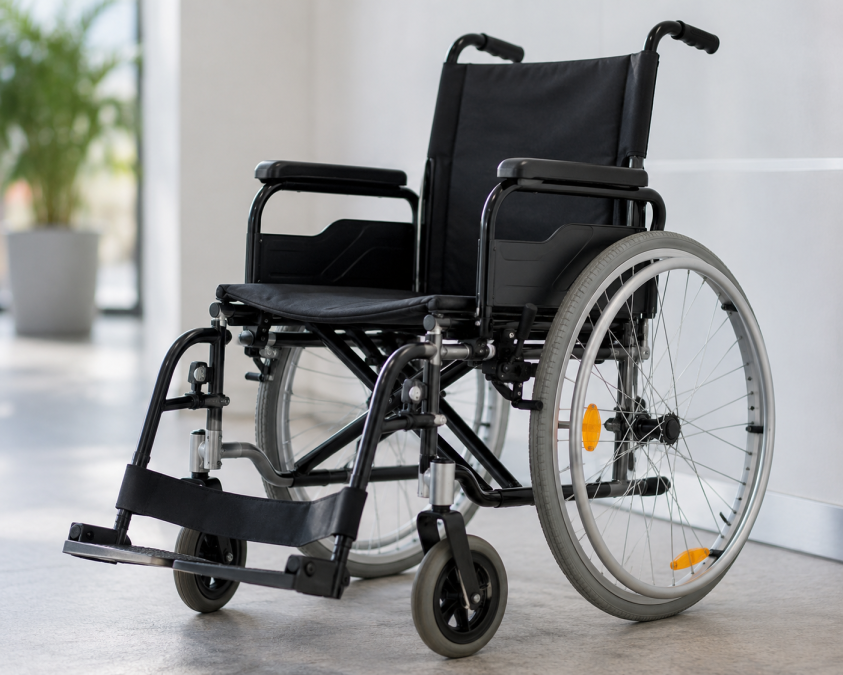
On a recent day, however, a simple wheelchair transformed what had long been a daily struggle.
Clutching the handles of the mobility aid, Okeyo could hardly hide her excitement as she watched her son sit comfortably in the chair.
“This is a show of love. My son cannot support himself, and moving him around has never been easy. As he grows older, carrying him becomes more difficult. This wheelchair means mobility and hope for us,” she said.
For Okeyo, the wheelchair is more than a piece of equipment. It represents freedom from years of physical strain and a chance for her son to participate more fully in everyday life.
But behind her story lies a reality shared by thousands of families across Kenya.
What Is Cerebral Palsy?
Cerebral palsy is one of the most common childhood physical disabilities worldwide.
According to health experts, it is a group of disorders that affects movement, muscle tone and posture.
The condition is caused by damage to the developing brain, usually before birth, during birth or shortly after birth.
The effects vary from one child to another.
Some children experience mild difficulties with movement, while others may require lifelong support with walking, sitting, eating or communication.
Importantly, cerebral palsy is not contagious and is not caused by anything a parent did wrong.
Yet many families continue to battle misconceptions about the condition.
The Hidden Challenges Mothers Face
For many mothers raising children with disabilities, caregiving extends far beyond parenting.

Simple activities that other families take for granted- going to school, attending church, visiting relatives or seeking healthcare- can become logistical challenges.
Many caregivers are forced to reduce working hours or leave employment entirely because their children require constant support.
The physical burden can also be significant.
As children grow older, lifting and carrying them becomes increasingly demanding, often leading to chronic back pain, fatigue and emotional stress among caregivers.
In rural and low-income communities, access to assistive devices such as wheelchairs can be limited, making daily life even more difficult.
For Okeyo, every movement required effort.
The wheelchair has changed that reality.
How a Wheelchair Changes Everything
To an outsider, a wheelchair may seem like a simple mobility device.
For families living with disability, it can be life-changing.
A properly fitted wheelchair can:
- Improve mobility and independence.
- Reduce physical strain on caregivers.
- Increase access to education.
- Improve social interaction.
- Allow participation in community activities.
- Support better physical health and posture.
For children, mobility often translates into inclusion.

The ability to move around independently can improve confidence, encourage social development and reduce feelings of isolation.
For caregivers, it provides much-needed relief from years of physically demanding routines.
The Neuroscience of Stigma
Beyond the physical challenges, many families also face stigma.
Okeyo believes society still has a long way to go.
“There are parents who hide their children because they fear what society will say. That is the worst thing they can do. These children are like any other child. Hiding them only increases stigma. They deserve to be loved, seen and treated with dignity,” she said.
Neuroscience research shows that social exclusion and stigma can affect the brain in ways similar to physical pain.
Studies using brain imaging have found that rejection and discrimination activate regions associated with emotional distress and suffering.
For children living with disabilities, repeated experiences of exclusion can contribute to anxiety, low self-esteem and social withdrawal.
Parents and caregivers are also affected.
Constant judgment from society can increase stress levels, elevate cortisol, the body’s primary stress hormone, and contribute to caregiver burnout.
Experts say inclusion, acceptance and community support are essential not only for emotional wellbeing but also for healthy brain development.
Why Visibility Matters
One of the most damaging consequences of stigma is isolation.
When children are hidden from society, they lose opportunities to interact with peers, develop social skills and participate in community life.
Visibility helps normalise disability.
It allows communities to see children with disabilities not through the lens of limitation but through their humanity.
Advocates say every child deserves the opportunity to learn, play, worship and build relationships regardless of physical ability.
The Economic Cost of Disability
Disability often comes with expenses many families are unprepared for.
Transport costs may be higher.
Medical appointments may be frequent.
Assistive devices can be expensive.
Caregiving responsibilities can reduce household income when one parent must stay home full-time.
For this reason, disability experts often describe mobility aids not as charitable donations but as investments in quality of life.
When mobility improves, opportunities expand.
Education becomes more accessible.
Employment becomes more realistic.
Participation in society becomes easier.