Advertisement
How men’s mental health affects their relationships and family life
07th June, 2026 01:42 PM
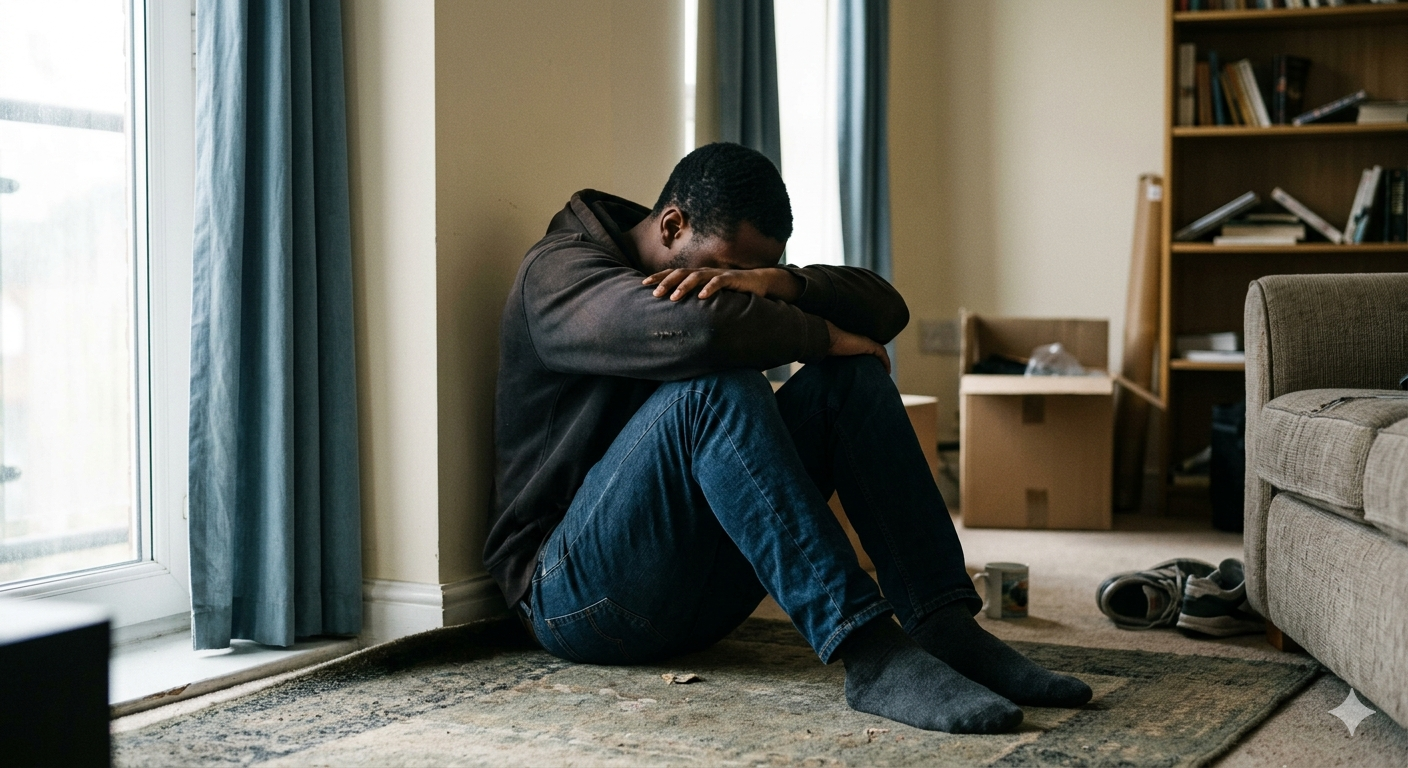
Mental health is often viewed as a personal issue, but its effects rarely stop with the individual. When a man is struggling emotionally, the impact can spread through his relationship, parenting style and the overall well-being of the family.
While many people focus on the physical signs of stress and burnout, the emotional and social effects can be just as significant.
When emotional struggles create distance in relationships
Mental health challenges such as depression, anxiety and chronic stress can change how a person relates to others. A man who is struggling may become withdrawn, less communicative or emotionally unavailable.
He may still care deeply about his partner and family but find it difficult to express affection, discuss problems or engage in meaningful conversations.
According to the Mental Health Foundation, men are often less likely to talk openly about emotional difficulties due to social expectations around masculinity. Instead of expressing sadness, fear or worry, some may bottle up emotions until they emerge as irritability, anger or frustration.

This can create a cycle where a partner feels ignored, rejected or blamed without understanding the real cause. Over time, emotional distance can weaken trust and intimacy. Conversations become shorter, misunderstandings increase, and both partners may begin to feel isolated despite living under the same roof.
The effect on parenting and children’s well-being
A father’s mental health plays an important role in the emotional environment of a home. When stress, anxiety or depression become overwhelming, it may affect patience, energy levels and daily interactions with children.
Research published by the World Health Organisation shows that parental mental health can influence children’s emotional development and sense of security. A father experiencing emotional difficulties may struggle to participate in family activities, help with schoolwork or spend quality time with his children.

Children often notice these changes even when adults believe they are hiding them. Younger children may become confused by a parent’s mood swings or emotional absence. Older children may begin to blame themselves for tension within the home or feel responsible for fixing family problems.
Some children may become withdrawn, while others may act out through behavioural problems. This does not mean mental health struggles automatically harm children, but it highlights the importance of support and early intervention.
How mental health can influence family structure
The effects of poor mental health can extend beyond daily interactions and influence the stability of the family itself. Ongoing emotional distress may contribute to frequent conflict, financial strain, reduced cooperation between partners and difficulty making important family decisions.
For some families, unresolved mental health challenges can lead to separation, prolonged disagreements or a communication breakdown. A household may begin to operate in survival mode, where family members focus on avoiding conflict rather than building healthy relationships.

In some cases, family roles can shift. A partner may take on additional emotional, financial or parenting responsibilities, leading to exhaustion and resentment. Children may also assume responsibilities beyond their age, a situation experts sometimes describe as “parentification”, where a child feels responsible for supporting adults emotionally.
Why seeking help benefits the whole family
Mental health support is not only about helping one person feel better. It can improve communication, strengthen emotional bonds, and create a healthier family environment. Treatment, counselling, social support, and healthy coping strategies can improve both individual well-being and relationship satisfaction.
When men feel able to talk openly about their struggles, families are often better equipped to understand one another and work through challenges together. Strong mental health creates stronger relationships, more secure children, and a more stable family life.