Advertisement
5 signs someone may be struggling with depression
06th July, 2026 12:36 AM
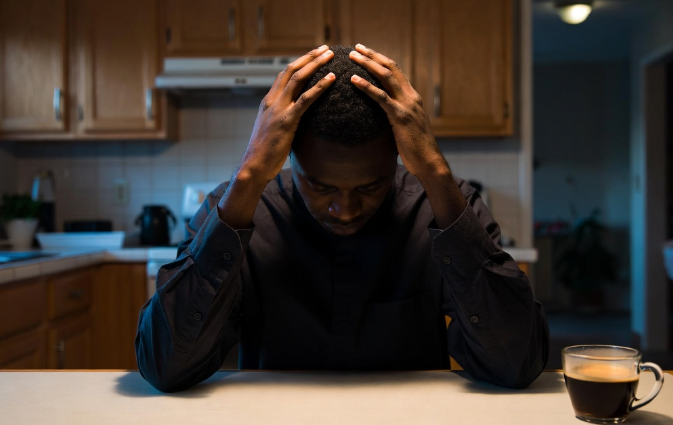
Statistics by the World Health Organisation (WHO) indicated that in 2019, 280 million people were living with depression, including 23 million children and adolescents.
Depression is different from usual mood fluctuations and short-lived emotional responses to challenges in everyday life.
During a depressive episode, the person experiences depressed mood, which may include feeling sad, irritable and empty or a loss of pleasure or interest in activities, for most of the day, nearly every day, for at least two weeks.
“Several other symptoms are also present, which may include poor concentration, feelings of excessive guilt or low self-worth, hopelessness about the future, thoughts about dying or suicide, disrupted sleep, changes in appetite or weight, and feeling especially tired or low in energy,” WHO stated.
People with depression are at an increased risk of suicide. Yet, effective psychological treatment exists, and depending on the age and severity, medication may also be considered.
Recognizing these signs early can encourage timely support and help someone access the care they need.
Persistent sadness
One of the most common signs of depression is a low mood that lasts for weeks rather than days.
A person may appear constantly sad, empty, or hopeless and may express feelings that things will never get better. They may also become more irritable than usual, even over minor issues.
Everyone has bad days, but when these feelings persist and begin affecting daily life, it may be time to seek help.
Loss of interest in activities once enjoyed
People experiencing depression often lose interest in hobbies, sports, social gatherings, or activities that once brought them happiness.
They may stop spending time with friends and family, avoid social events, or withdraw from responsibilities at work or school.
This loss of interest is more than simply wanting some time alone it reflects a reduced ability to enjoy life.
Changes in sleep and energy levels
Depression can significantly affect sleeping patterns. Some people struggle with insomnia, finding it difficult to fall or stay asleep, while others sleep much longer than usual but still wake up feeling exhausted.
Persistent fatigue, low energy, and feeling drained despite getting enough rest are also common signs.
Difficulty concentrating
Someone living with depression may find it difficult to focus, remember information, or make even simple decisions.
Everyday tasks that once seemed easy can feel overwhelming, affecting performance at work, school, or home.
These challenges are not a sign of laziness they are symptoms that deserve understanding and support.
Changes in appetite
Depression can affect eating habits in different ways. Some people lose their appetite and unintentionally lose weight, while others may eat more than usual in search of comfort.
Many also experience feelings of guilt, worthlessness, or excessive self-criticism. They may believe they are a burden to others or feel they are not good enough, even when there is no evidence to support those thoughts.