Advertisement
Why some friendships and relationships becomes stronger with age
01st June, 2026 01:19 PM

As the years go by, not all friendships and relationships survive the test of time. There will be some relationships that may end due to changing priorities, distance, or life circumstances. Yet others become stronger, more meaningful, and more dependable with age.
These lasting connections often move beyond shared interests and become sources of trust, comfort, and support through different stages of life.
Built on trust and shared experiences
One reason some friendships and relationships grow stronger over time is the accumulation of shared experiences. Whether it is celebrating achievements, overcoming challenges, or simply spending years in each other’s lives, these moments create a strong foundation that cannot be built overnight.
Over time, people learn each other’s strengths, weaknesses, habits, and personalities. This familiarity reduces the pressure to impress one another and allows individuals to be more authentic. Trust develops gradually through consistency, honesty, and reliability.

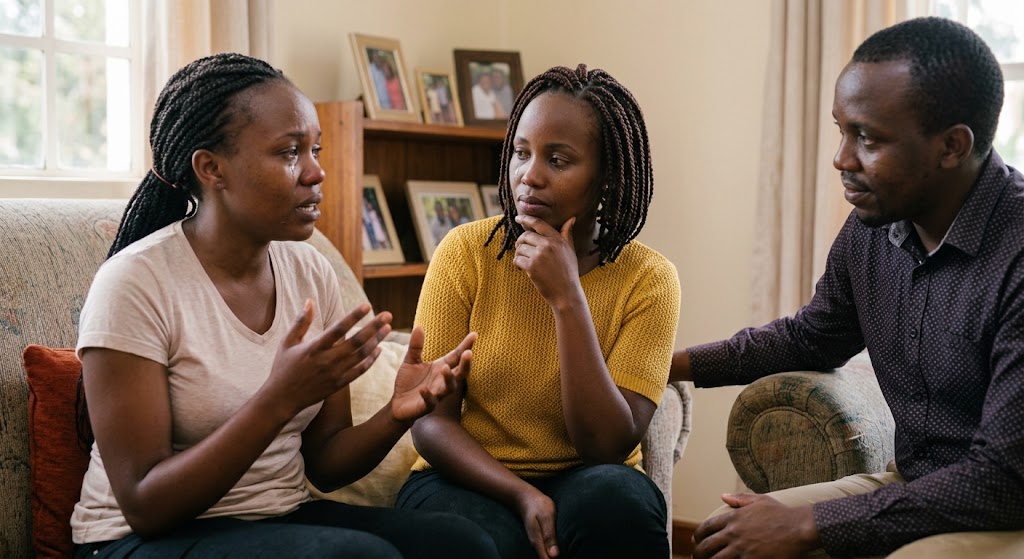
Trust and emotional support are among the key factors that help maintain healthy and lasting relationships. When people repeatedly show up for each other during important moments, the bond often becomes stronger.
Growing through life’s changes together
Life rarely remains the same. Careers change, families grow, and personal goals evolve. Relationships that survive these transitions often do so because both parties learn to adapt and support each other through different phases of life.
Long-term friendships and relationships tend to become less focused on convenience and more centered on genuine care. A friend who remains present during difficult times or a partner who offers support during periods of uncertainty becomes increasingly valuable.
Research published by Harvard Health Publishing suggested that strong social connections contribute to emotional well-being and can help people manage stress more effectively. As individuals face life’s responsibilities, they often come to appreciate relationships that provide stability and understanding.

The ability to navigate disagreements also plays a role. Mature relationships do not avoid conflict entirely. Instead, they develop healthier ways of communicating and resolving differences. Over time, this strengthens mutual respect and deepens emotional connection.
Appreciation replaces expectations
As people grow older, they often gain a better understanding of what truly matters in relationships. Instead of focusing on perfection, they learn to appreciate loyalty, kindness, and consistency.
Many long-lasting friendships and relationships become stronger because expectations become more realistic. Individuals recognise that everyone has flaws and that meaningful connections require patience and effort. Small gestures such as checking in, offering encouragement, or simply being available can become more valuable than grand displays of affections

Experts from the Mayo Clinic noted that healthy relationships are built on respect, communication, trust, and mutual support. These qualities often develop and deepen over time rather than appearing instantly.
While time alone does not guarantee a stronger bond, relationships that are nurtured with care, honesty, and understanding often become richer with age.