Advertisement
Why parents and their adult children struggle to talk to each other
22nd June, 2026 09:45 PM

Many adult children know the exact routine of a typical phone call with their parents.
The conversation rarely moves past standard updates about weather, traffic, or health, safely hiding a real communication gap. Major topics like mental health, unconventional careers, and personal boundaries are left completely untouched.
Adult children end up feeling deeply misunderstood, while parents feel left out of their children’s daily lives.
This emotional distance is more common than it seems. In a peer-reviewed study from the Journal of Marriage and Family, family estrangement is defined as “either no contact at all or limited contact with poor relationship quality”.
This means that even when families talk out of sheer obligation, the underlying bond might still be broken. Managing the silence or simply playing along also does not fix the root issue.
Dropping the old rules of engagement
The biggest barrier to a real connection is the unwritten rules built over years. Parents often struggle to see their grown children as independent adults, sometimes treating them like teenagers who still need direct policing.
On the other side, adult children expect their parents to instantly grasp modern realities, forgetting the vastly different world their older relatives grew up in.
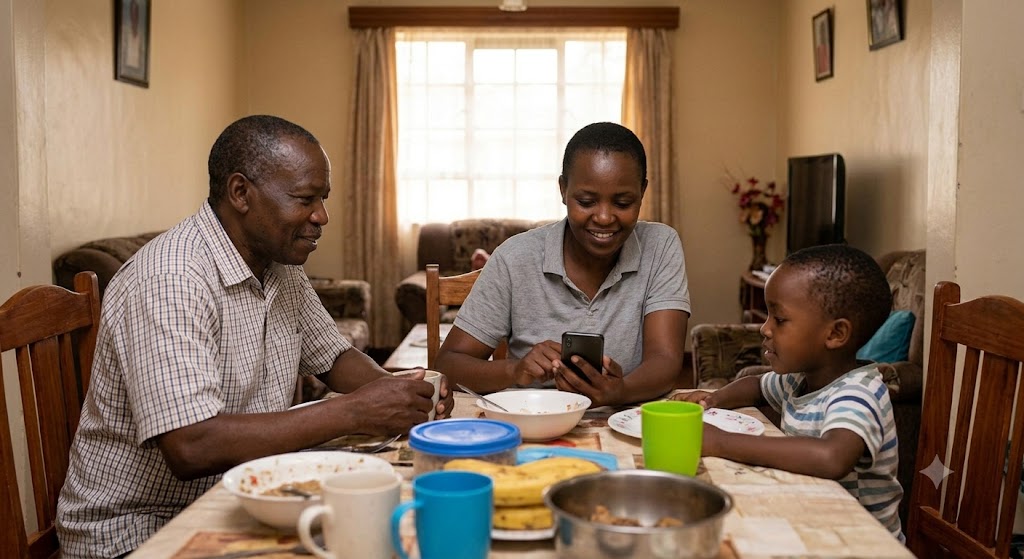
In Kenya, where respect for elders is deeply valued, expressing a differing opinion can easily look like rebellion. Because of this, conversations usually stay on safe, shallow topics like the weather or basic family updates.
However, research proves that just staying in touch is not enough to keep a relationship healthy. A study in the Research on Aging journal showed that “frequent contact between middle-aged adult children and aging parents does not uniformly reflect better relationship quality.”
True closeness needs more than just a regular phone call.
Choosing active repair over managing distance
Real change happens when both sides choose to actively repair the bond instead of just managing the awkward silence. For adult children, this means seeing parents as flawed human beings and dropping the expectation for a perfect apology.
For parents, it means stepping away from a lecture mindset and learning to listen without immediately judging.
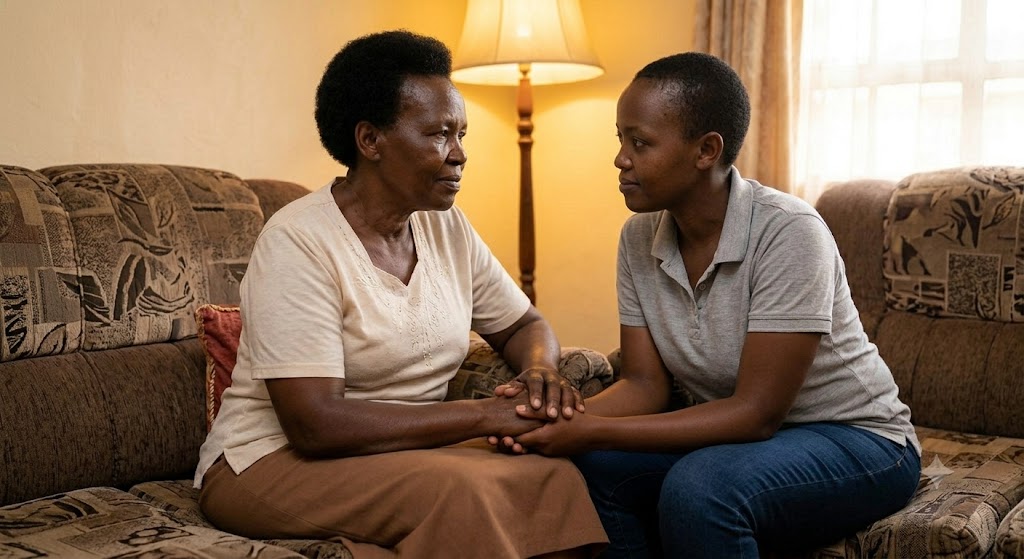
Families who successfully bridge this divide describe a shift where they drop old habits and build fresh ground rules. They trade defensiveness for active listening, turning a power struggle into a genuine partnership.
Healing is entirely possible once both generations prioritise mutual respect over winning an argument.