Ways you can make an impact in your community this World Cleanup Day
By Dan Kauna, September 20, 2026World Cleanup Day, observed globally on September 20, 2026, brings millions of people together to clean up public spaces, riverbanks, and roadsides.
Across Kenyan estates and urban centres, unmanaged litter remains a challenge for public health and local environments. Taking part does not require expensive gear or grand gestures. Simple actions in your estate can create cleaner, safer surroundings for everyone.
Organise an estate cleanup
Start by identifying a specific spot in your neighbourhood that needs attention, such as a littered alleyway, market path, or blocked drainage channel.
Coordinate with estate welfare groups, youth clubs, or neighbours to set aside two hours over the weekend.
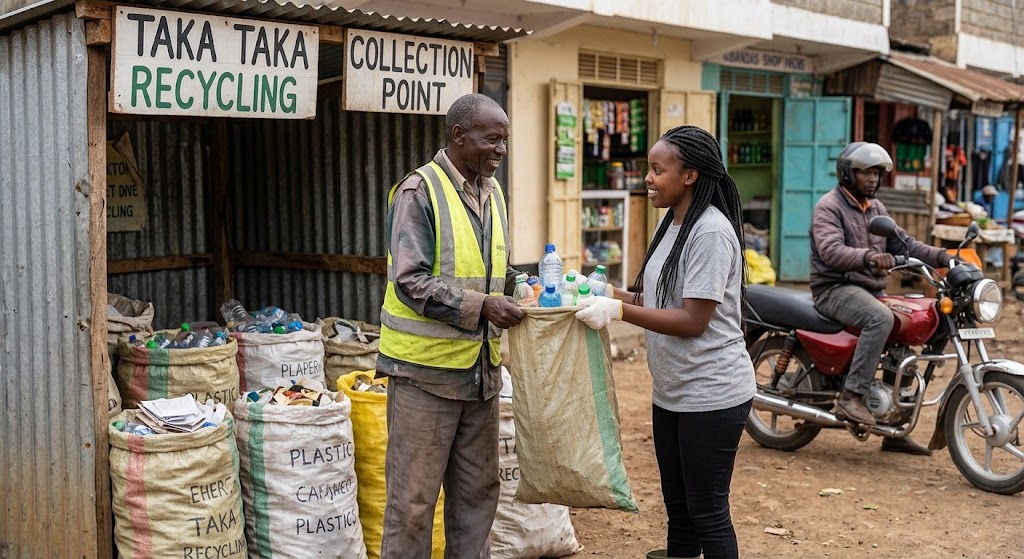
Basic supplies like heavy-duty gloves, durable sacks, and rakes are all you need.
Waste less food at home
Households were behind about 60 per cent of the world’s food waste in 2022, according to the UN Environment Programme (UNEP). Its 2024 report counted 1.05 billion tonnes of wasted food worldwide that year.
UNEP also links food loss and waste to 8 to 10 per cent of global greenhouse gas emissions.
That makes home habits count. Plan your meals, buy only what you need, store food properly and use up leftovers. Overripe bananas, for instance, can go into pancakes instead of the trash.
Sort your waste
Kenya’s Sustainable Waste Management Act, 2022 makes sorting a legal duty. Section 20 says anyone who generates waste must separate it at source and dispose of it only through licensed waste collectors or designated collection points.
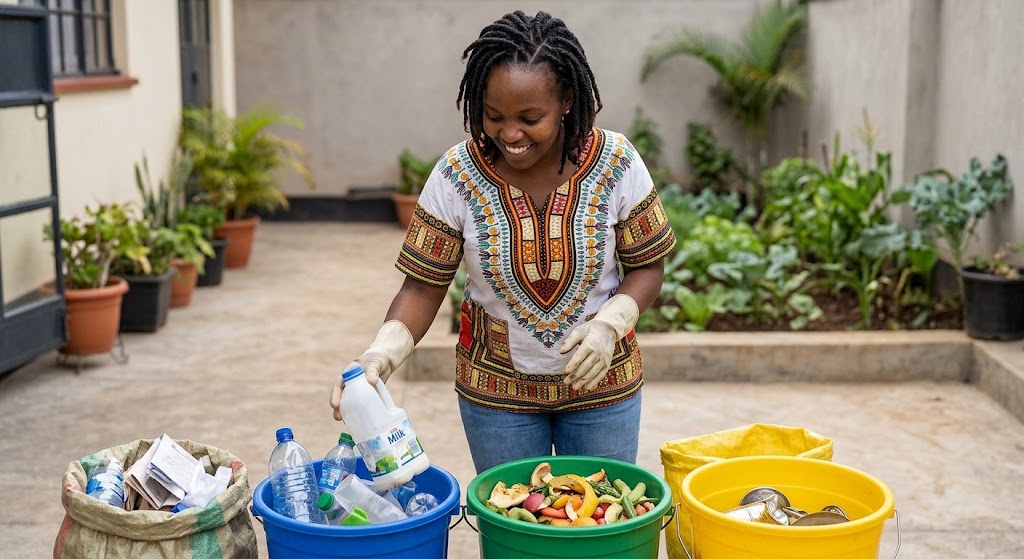
A conviction carries a fine of up to Ksh20,000, a jail term of up to six months, or both.
A simple start is keeping food scraps, which the Act calls organic waste, apart from dry waste such as paper, plastic, glass and cans.
A 2017 study of Kenya’s waste policies in Nairobi and Mombasa, published in Environment and Urbanization, listed “the mixing of wastes that makes reuse/recycling difficult” among the main challenges behind the gap between policy and action.
Ask for separate bins at work
The Act also requires private businesses to provide bins at their premises for organic, plastic and general dry waste. Public entities have the same duty.
Ask your employer where those bins are, and use them.
Bring your neighbours along
Residents’ associations, church groups and youth groups can run a clean-up or sorting drive together.
The Act requires county governments to incentivise the collection and separation of waste at source in neighbourhoods and informal settlements, so it is worth asking your county office what support exists.
Article 42 of the Constitution gives every person the right to a clean and healthy environment. Sorting waste, using licensed collectors and cutting food waste at home are a few ways to protect it.