Smart back-to-school safety habits every household needs in 2026 for protecting children
By Dan Kauna, August 20, 2026As millions of learners head back to school in 2026, many parents rely on tracking apps, location alerts, and safety code words to keep their children safe.
Modern technology offers helpful tools, but police warnings and safety data show that habits built at home matter most when an emergency happens.
Protecting personal details online and on phones
Posting first-day photos online remains a popular tradition, but it often exposes sensitive details. Uniform logos, school gates, and custom signboards easily reveal a child’s daily location to strangers.
Security data shows that 81 percent of parents post photos using their child’s real name, often sharing updates with online followers they have never met in person.
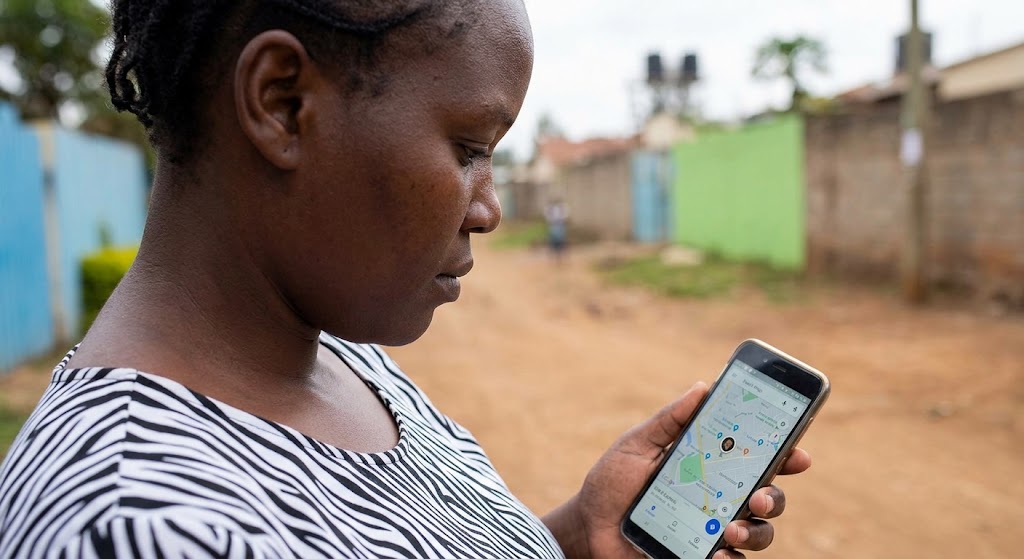
Safety experts advise writing only a first name, checking the background for house numbers or school crests, and keeping social media accounts private.
Smartphones bring another challenge when children face trouble. Research in JMIR Pediatrics and Parenting shows that 53 percent of children own a smartphone by age 11, rising to 91 percent by age 14. However, stored contacts stay hidden behind screen passcodes.
Setting up a Medical ID allows teachers or emergency responders to view contact numbers, allergy details, and medical conditions directly from a locked screen without needing a PIN.
Simple memory tricks and quick response tools
When children feel scared, recalling phone numbers or long instructions becomes very difficult. Teaching a contact number through a simple song or rhythm solves this issue.
Peer-reviewed research from Frontiers in Education notes that “musical mnemonic training may be more effective than rehearsal with spoken words in verbal memory learning tasks in 9–11 year olds.”
Pairing two primary contact numbers with a familiar tune helps young children memorise them quickly.
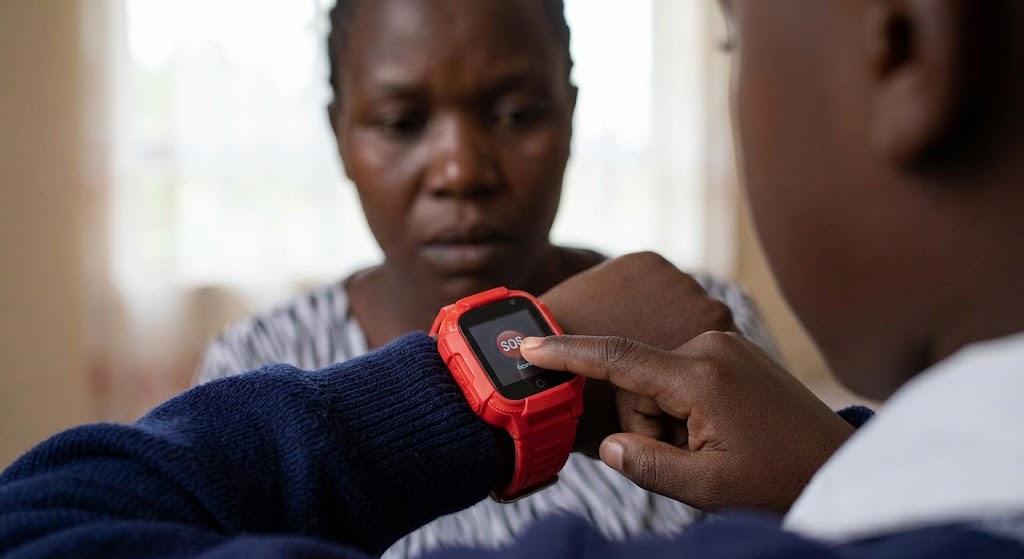
For urgent situations, physical panic features work much faster than expecting a child to call or explain where they are. Setting up a one-tap SOS feature on a family safety app allows a child to send exact location coordinates instantly, along with short background audio.
Finally, safety does not end when another adult handles pickup duties. Parents should check location updates, confirm arrival times, and register approved pickup guardians directly with school authorities. Simple, cost-free safety habits built at home remain the best line of defence.