Advertisement
Educational activities for children during the August school break
30th July, 2026 03:27 AM
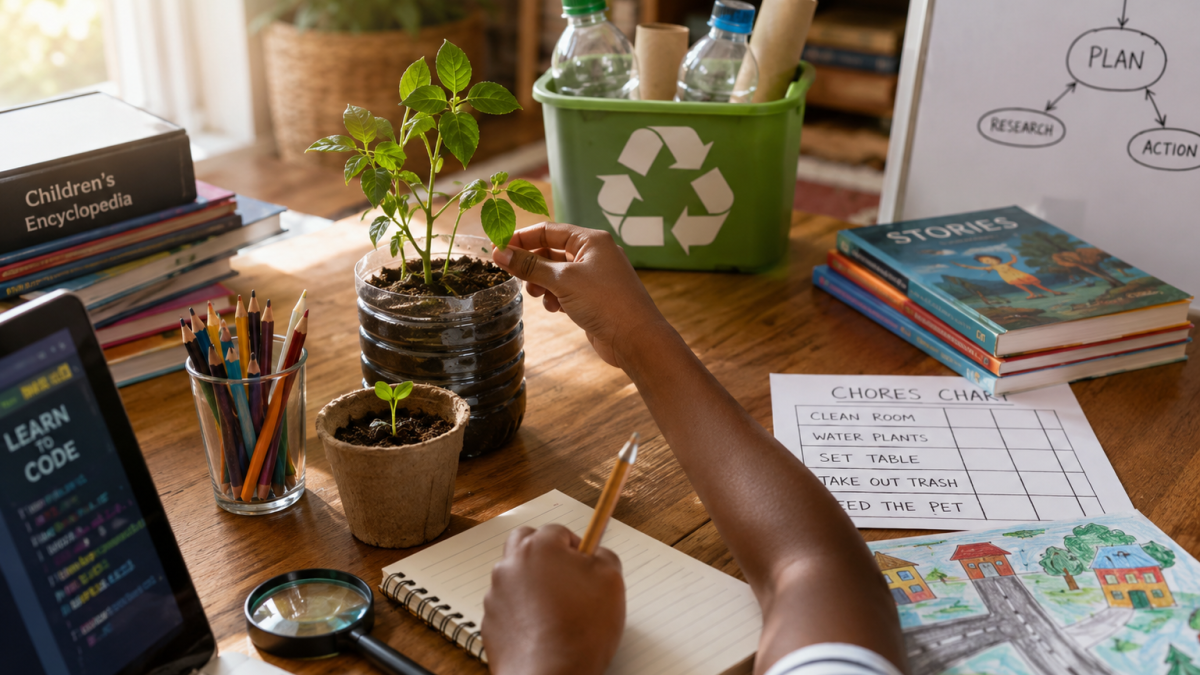
The August school holiday is the perfect time to let children learn beyond the classroom. Without homework deadlines and early morning rushes, they have the freedom to explore, create, and discover new interests. The best learning often happens when children are simply having fun, and with a little planning, every day can become an exciting opportunity to pick up a new skill or understand the world a little better.
Let children become young gardeners
There is something magical about planting a tiny seed and watching it grow.
This holiday, introduce children to gardening by giving them a small patch of soil, a few flower pots, or even recycled containers. They can grow vegetables like spinach, tomatoes, sukuma wiki, or herbs that are easy to care for.
As they water the plants every day, children learn about nature, responsibility, weather, and patience. They begin to understand that plants need sunlight, water, healthy soil, and time to grow.
Gardening also opens conversations about healthy eating and where food comes from. Children are often more excited to eat vegetables they have grown themselves than those bought from the market.
Watching the first green leaves appear brings a sense of achievement that no video game can replace.
Organise a family reading challenge
Reading becomes much more exciting when everyone joins in.
Instead of telling children to read alone, create a family reading challenge where each member picks a book, magazine, or story to read during the holiday. At the end of every week, everyone shares something interesting they learned.
Children can also act out scenes from their favourite stories, draw their favourite characters, or invent a completely different ending.
This activity improves vocabulary, imagination, confidence, and communication skills without making reading feel like schoolwork.
To make it even more exciting, create simple rewards such as choosing the next family movie or deciding what dessert everyone will enjoy after dinner.
Explore your community
Sometimes the best classroom is just around the corner.
Take children on walks through your neighbourhood, local market, farm, or nearby town. Encourage them to observe different businesses, public services, plants, birds, and buildings.
Explain how bakeries make bread, how supermarkets organise products, how firefighters help communities, or why traffic lights are important.
Children can interview grandparents, artisans, shopkeepers, or farmers about their work and what they have learned over the years.
These simple conversations teach respect for different careers while helping children understand how communities function together.
Many lessons are hidden in everyday life. Children simply need someone to point them out.
Introduce simple technology and coding activities
Technology is part of everyday life, and children can learn to use it creatively instead of only for entertainment.
The school holiday is a good time to introduce basic computer skills, typing practice, beginner coding games, digital drawing, or educational puzzles.
Older children can learn how to create simple presentations, design posters, or safely search for information online.
At the same time, parents should teach digital safety by discussing strong passwords, online privacy, and why children should avoid talking to strangers on the internet.
Balancing technology with outdoor activities helps children enjoy the benefits of the digital world while developing healthy habits.
The goal is to show that screens can be tools for learning, not just endless cartoons.
Encourage children to solve everyday problems
Children love feeling useful, especially when trusted with real responsibilities.
Challenge them to solve simple problems around the house. They can organise a bookshelf, create a timetable for household chores, design a recycling system, or think of ways to reduce water and electricity use.
You can even give them small family projects such as planning a picnic, organising a birthday celebration, or creating a shopping checklist within a set budget.
These activities teach planning, leadership, teamwork, creativity, and decision-making.
More importantly, children learn that every problem has a solution if they are willing to think carefully and work together.
Sometimes their ideas are surprisingly clever, and adults may even borrow a few.