Advertisement
How to prepare children to handle emergencies
25th July, 2026 04:30 PM
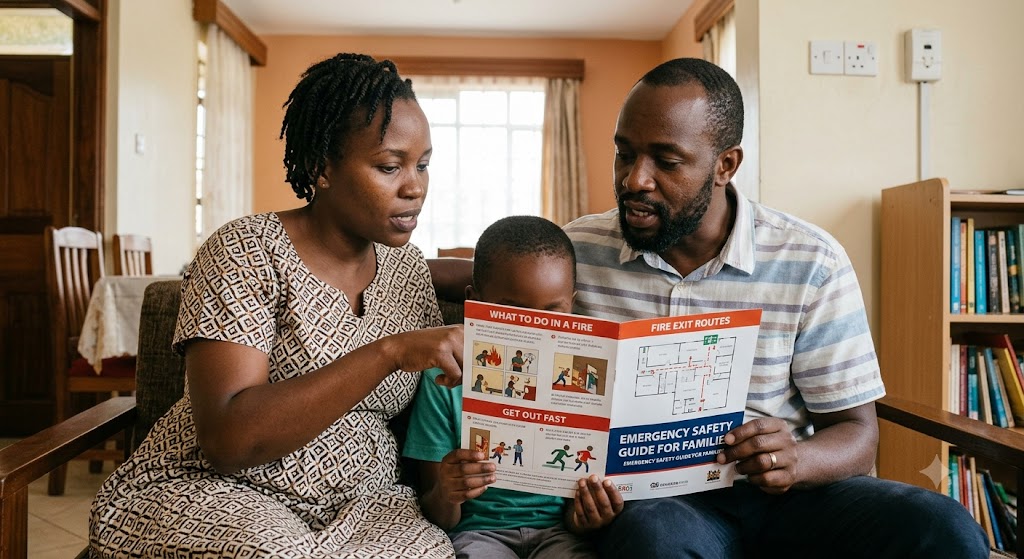
Preparing children to respond calmly during emergencies is one of the most valuable life skills parents and caregivers can teach. While it is impossible to predict every crisis, helping children understand what to do in different situations can reduce panic and improve their chances of staying safe.
The goal is not to frighten children but to equip them with practical knowledge and confidence.
Emergencies such as fires, floods, medical incidents, earthquakes, or getting lost can happen unexpectedly. When children know how to respond, they are more likely to stay calm and make safer decisions.
Teach them what an emergency is
Start by explaining, in age-appropriate language, what an emergency is. Let children know that an emergency is a situation where someone is in danger or needs immediate help. Give simple examples, such as a house fire, a serious injury, flooding, or someone becoming unconscious.
Encourage them to ask questions so they understand the difference between a real emergency and a minor problem.
Help them memorise important information
Children should know key personal details by heart, including:
- Their full name.
- Their parents’ or guardians’ names.
- A trusted emergency contact’s phone number.
- Their home address or nearby landmarks if they are too young to remember the full address.
Older children should also know how and when to call emergency services.

Create a family emergency plan
Every family should have a simple emergency plan. Discuss:
- Safe exits from the house.
- A designated meeting point outside the home.
- What to do if family members become separated.
- Who children should contact if parents cannot be reached.
Review the plan regularly so everyone remembers it.
Practice through drills
Practice helps children remember what to do during stressful situations. Conduct occasional fire drills, discuss what to do during floods or severe storms, and rehearse how to leave the house safely.
Keep practice sessions calm and reassuring rather than frightening.
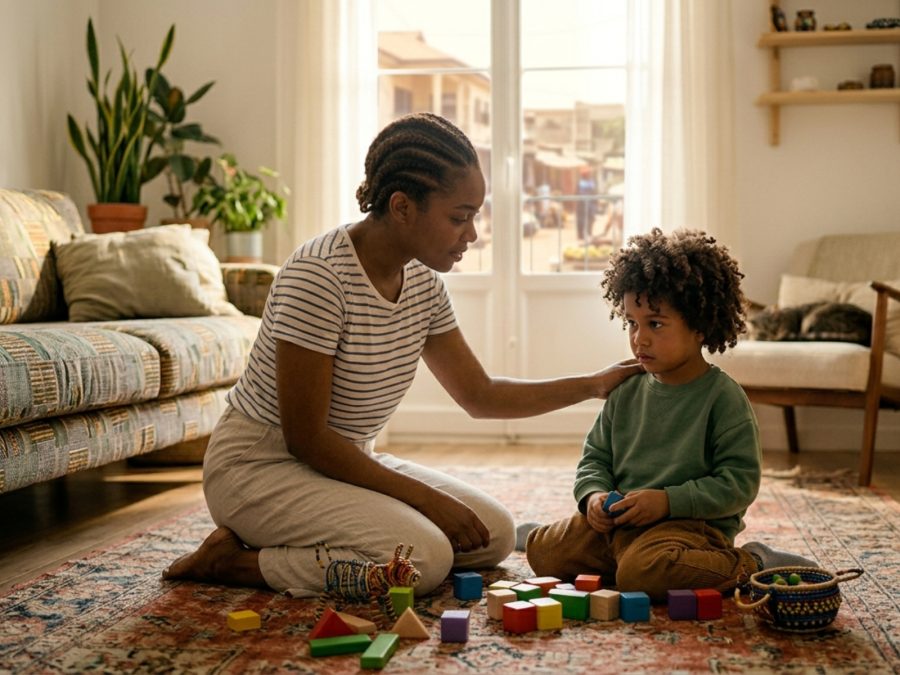
Teach them to recognize trusted adults
Children should know who they can approach if they need help outside the home. This may include teachers, police officers, security guards, firefighters, or other trusted adults.
Teach them never to leave with strangers unless instructed by a trusted authority during an emergency.
Meanwhile, and as children grow older, revisit emergency preparedness and introduce more advanced safety skills.
As a parent, always encourage them to ask questions and remind them that being prepared does not mean something bad will happen; it simply means they know how to stay safe if it does.