Advertisement
From chai to uji: Why milk shortage would hit Kenyan food culture hard
01st September, 2026 11:45 PM

For many Kenyans, milk is not just another item on the shopping list; rather, it is part of the everyday routine.
It goes into morning chai, evening tea and a warm cup of uji. For some families, it is poured over breakfast cereals, added to porridge for children or used in making foods such as mandazi, pancakes and cakes.
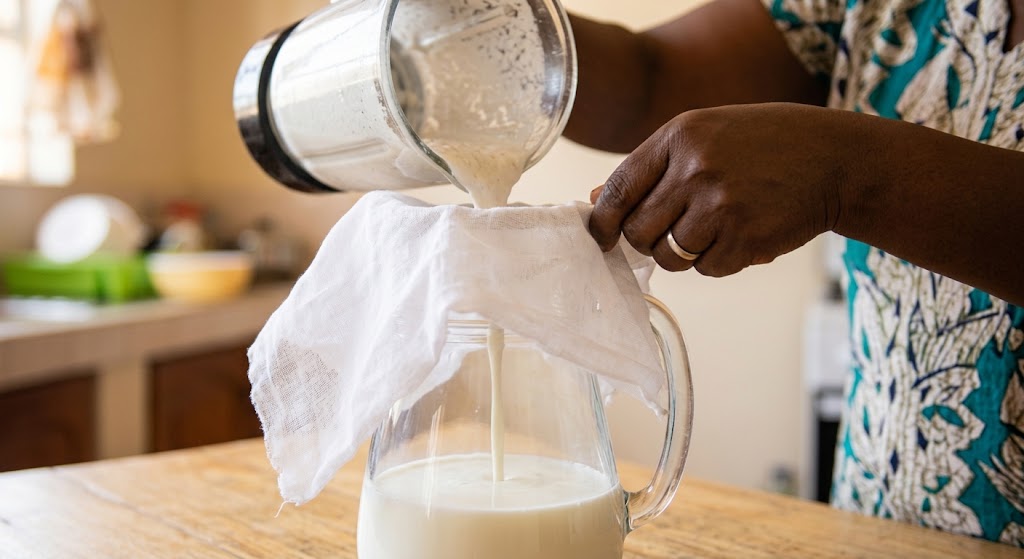
Chai without enough milk
Few things are as familiar in a Kenyan home as a cup of chai.
Whether it is served in the morning before work, during a break at the office or in the evening with family, tea is deeply woven into daily life.
For many people, however, tea is not complete without milk.
The recently reported shortage could therefore affect one of Kenya’s most common household routines.
Families who normally make milky tea may start using less milk, making lighter tea or switching to black tea altogether. Hotels and small eateries could also adjust their recipes as the cost of milk rises.
For businesses that sell tea throughout the day, even a small increase in milk prices can eventually affect the price customers pay.
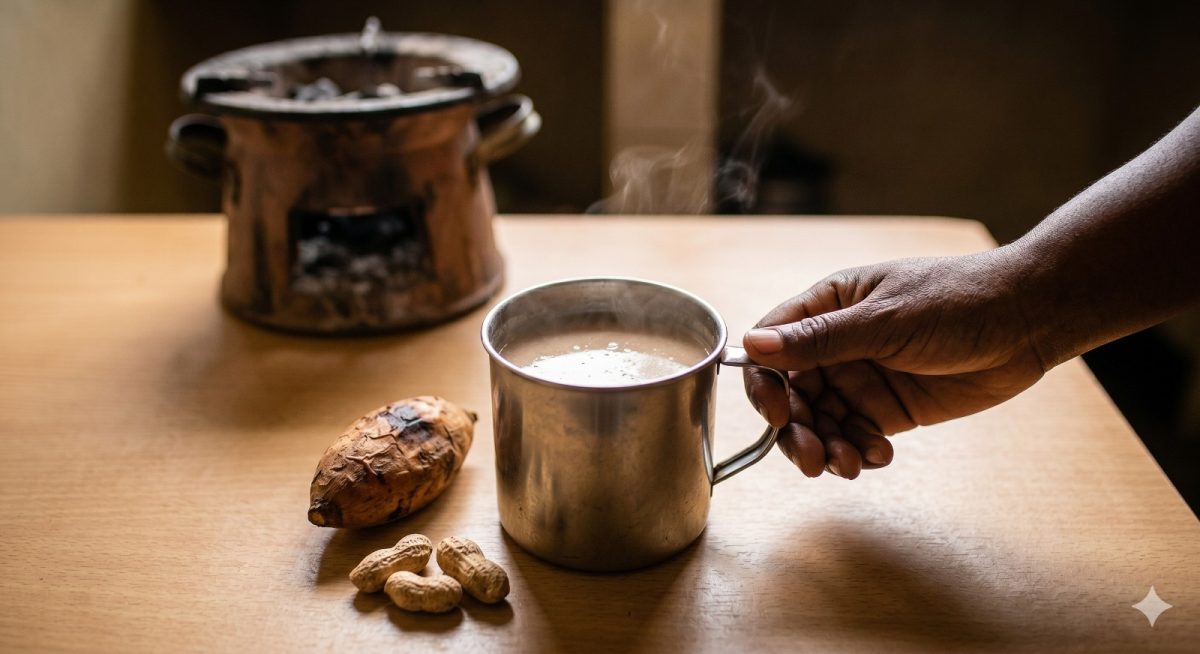
Uji could also feel the impact
For those who prefer heavily milky tea, the reported shortage can make the daily cup more expensive. Reducing the amount of milk can change the taste, while buying milk every day can become an additional strain on a tight household budget.
Meanwhile, despite the sudden shortage, porridge, on the other hand, offers an alternative.
Families can prepare it using ingredients such as maize, millet, sorghum or blended cereals, depending on what is available and affordable.
Porridge can also be prepared in larger quantities, making it practical for households with several people.
Milk shortage crisis in Kenya
Consumers in Nairobi and other parts of the country are facing limited milk supplies, with some supermarkets reporting empty shelves and fewer brands and pack sizes.
Traders said deliveries have declined, while some outlets have also reported price increases of between Ksh.3 and Ksh.5 for a 500-millilitre packet. The Kenya Dairy Board revealed that the shortage is temporary and largely seasonal.
Several outlets in Nairobi and its environs have reported limited stocks, with some popular brands missing from the shelves altogether.
In a statement, the Kenya Dairy Board said formal milk deliveries to processors fell by 3.7 per cent, from 84.4 million litres in June to 81.3 million litres in July.
The board said preliminary indications point to a further decline in August, largely due to seasonal production conditions.
It said the prevailing dry and cold weather in key milk-producing areas has affected pasture and fodder availability, with pasteurised milk more affected than long-life varieties.
The milk shortage is highlighting growing pressure across Kenya’s dairy supply chain. With formal milk intake declining, attention is now turning to how quickly supply can be restored and prices stabilised.