Advertisement
Back to school: How parents can help children settle into a healthy routine
24th August, 2026 12:00 PM
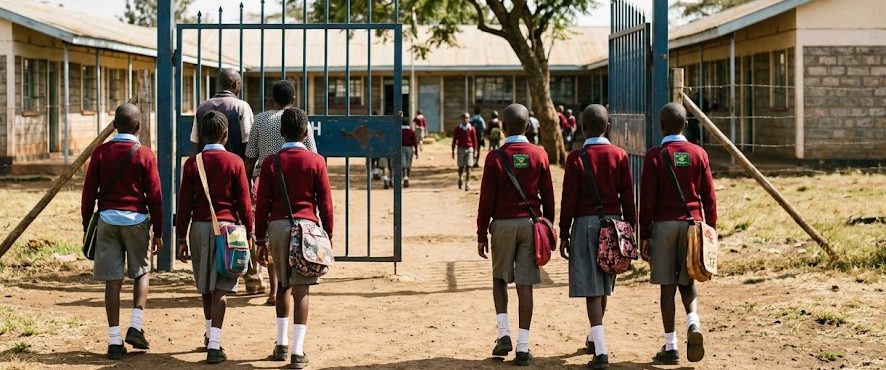
As schools reopen across Kenya for the third term, many families are adjusting from the relaxed pace of the August holiday to the demands of school days.
The Ministry of Education confirmed that basic education institutions would reopen on Monday, August 24, 2026, with the third term expected to run until October 23.
For children who have spent several weeks waking up later, playing more and having fewer academic responsibilities, returning to the school timetable can take some adjustment.
Parents can make this transition easier by gradually bringing back the habits that support a healthy school day.
Start with a consistent daily routine
One of the simplest ways to help a child settle back into school is to create a predictable daily schedule.
This means having fairly consistent times for waking up, getting ready, eating, studying, playing and going to bed. Children are more likely to adjust when they know what to expect rather than having their routine changed suddenly.
Parents can also prepare school items the night before. Uniforms, shoes, books and bags can be organised in advance, reducing the pressure of rushing in the morning.
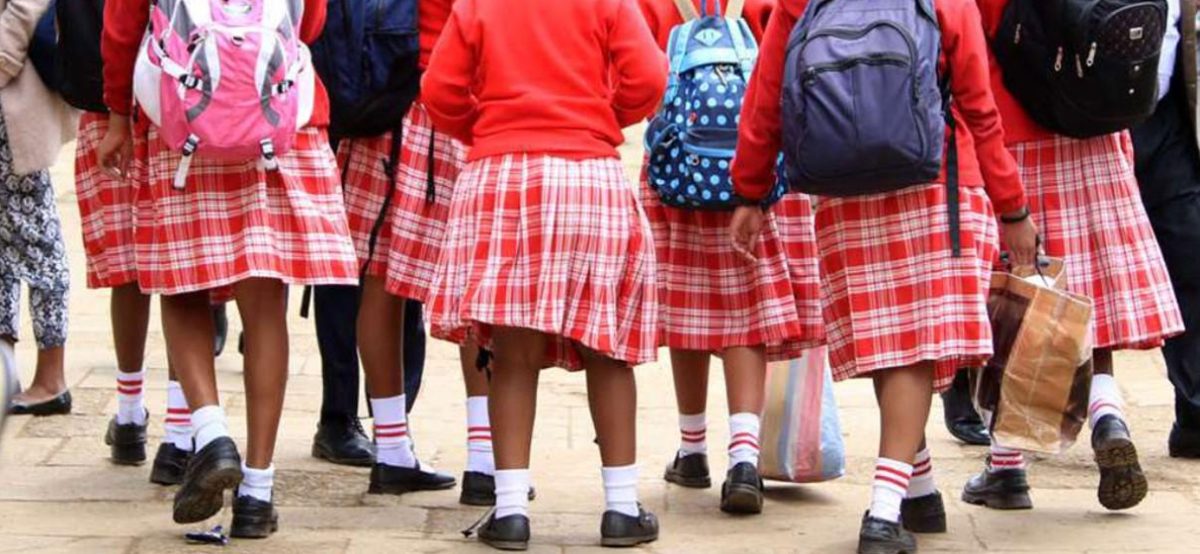
Make sleep a priority
Sleep is particularly important when children are returning to school because inadequate sleep can affect concentration, memory, mood and learning.
School-age children generally need between nine and 12 hours of sleep each night, while teenagers need about eight to 10 hours. Parents should therefore avoid allowing children to stay up late simply because they are still in the holiday mood.
A regular bedtime can be introduced gradually, especially if the child’s sleeping pattern changed significantly during the break. Keeping phones, tablets and other distractions away from the bedroom can also make it easier for children to settle down.
Get children moving again
Physical activity should remain part of a child’s routine even when school resumes.
Children can walk, play outside, take part in sports or simply have time for active play after school. Regular movement can help them stay active and break up long periods of sitting in class or doing homework.
The American Academy of Pediatrics recommends making physical activity, nutritious meals and adequate sleep part of a child’s regular school routine.
The aim is not to create a strict exercise programme but to ensure children do not spend the entire afternoon sitting with a phone, television or computer after returning home.
Bring back healthy mealtimes
During the holidays, meal times can easily become irregular. School reopening is a good opportunity to return to more predictable eating patterns. Parents should make sure children have something nutritious before leaving for school and have access to water throughout the day.
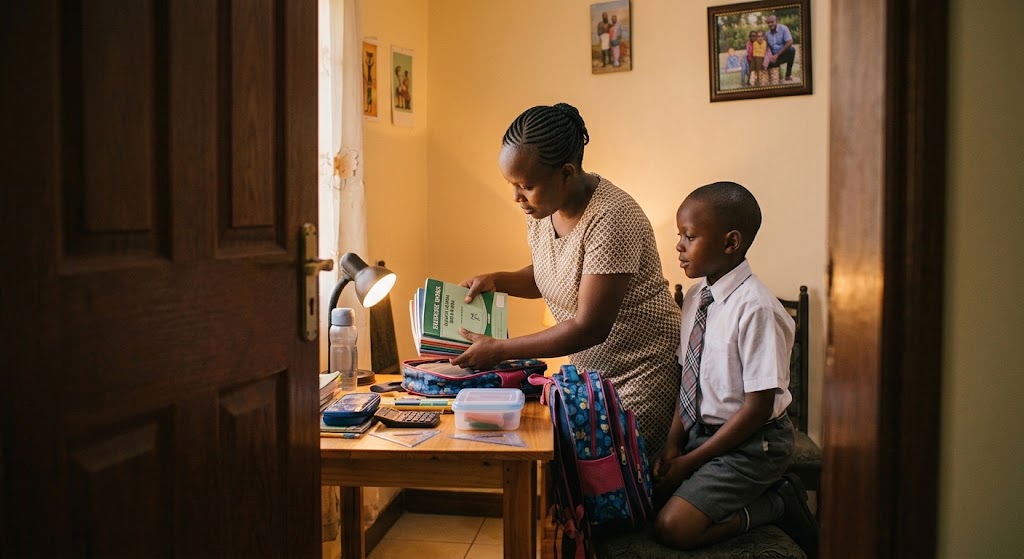
Meals do not have to be complicated. A balanced meal containing foods such as vegetables, fruits, whole grains and protein can provide children with the energy they need for school activities.
Nutritious meals, enough water, physical activity and sufficient sleep all contribute to children’s ability to function well at school.
Give children time to adjust
Not every child will return to the school routine at the same pace. Some may be excited to see friends again, while others may feel tired, anxious or reluctant to return after the holiday.
Parents should give children an opportunity to talk about how they feel rather than immediately treating reluctance as laziness or disobedience.
A child who is struggling to adjust may need extra encouragement, reassurance and time to settle.
The first few days can also be used to observe changes in behaviour, appetite, sleep or mood. If a child continues to struggle or shows worrying changes, parents can speak with the school or seek appropriate professional support.