Advertisement
Jacinta Mwatela and Kenya’s biggest financial scandals: 7 things to know about the woman who pushed for answers
24th August, 2026 03:25 PM
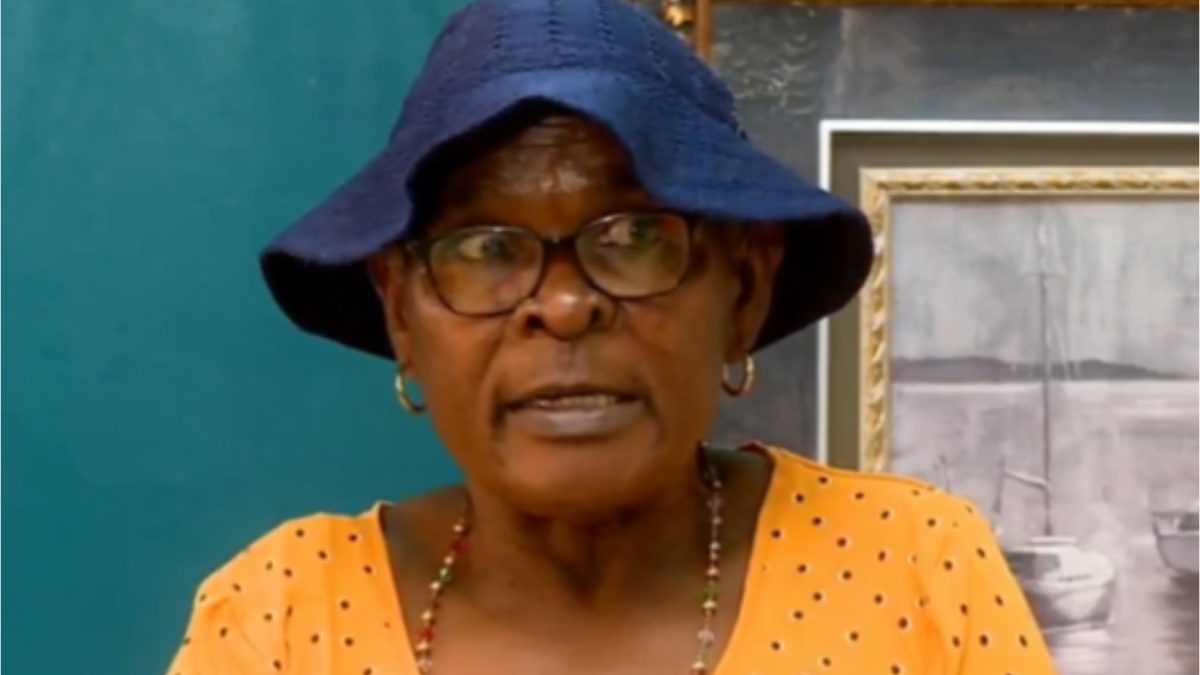
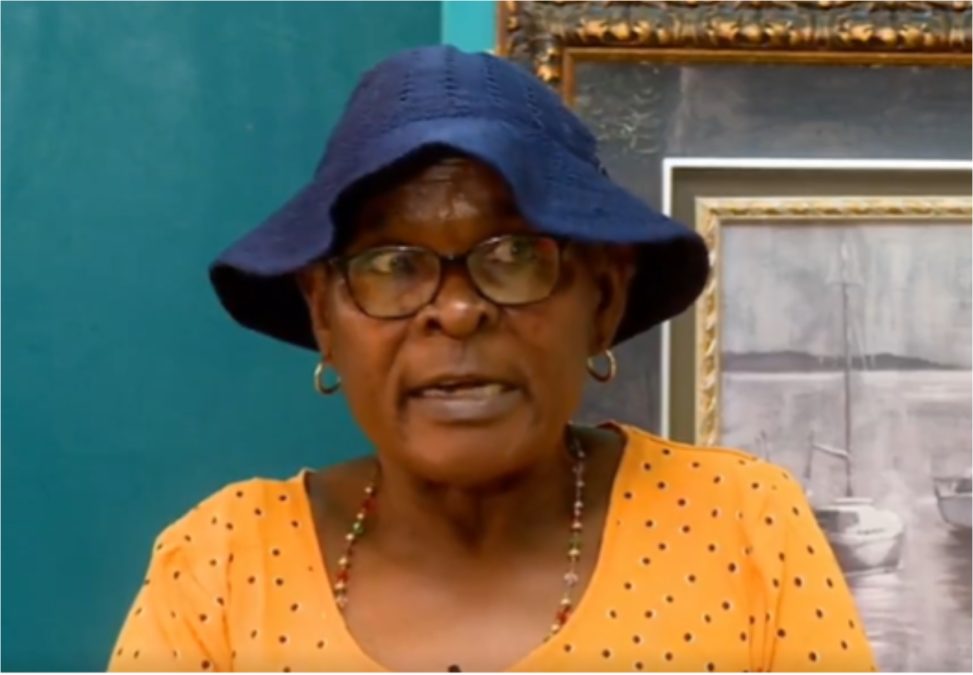
Jacinta Wanjala Mwatela is a veteran Kenyan banker whose career at the Central Bank of Kenya (CBK) placed her at the centre of some of the country’s biggest financial controversies.
Mwatela is currently in the spotlight following a documentary that revisited her 32 years at the Central Bank of Kenya and her encounters with major financial scandals, including Goldenberg, Charterhouse Bank and the controversy surrounding the Grand Regency Hotel.
Her career was marked by a willingness to question transactions and decisions she believed did not follow the required procedures.
Here are seven things to know about the former CBK deputy governor.
- She spent 32 years at the Central Bank of Kenya
Mwatela joined the Central Bank of Kenya as a graduate trainee in December 1977 after completing her Bachelor of Commerce degree at the University of Nairobi.
She worked in various departments at the institution, including Exchange Control, before rising through the ranks.
In May 2005, she was appointed Deputy Governor of CBK, becoming the first woman to hold the position. In March 2006, she became the bank’s first female acting governor.
Her three decades at the institution placed her in the middle of several major financial and banking controversies.
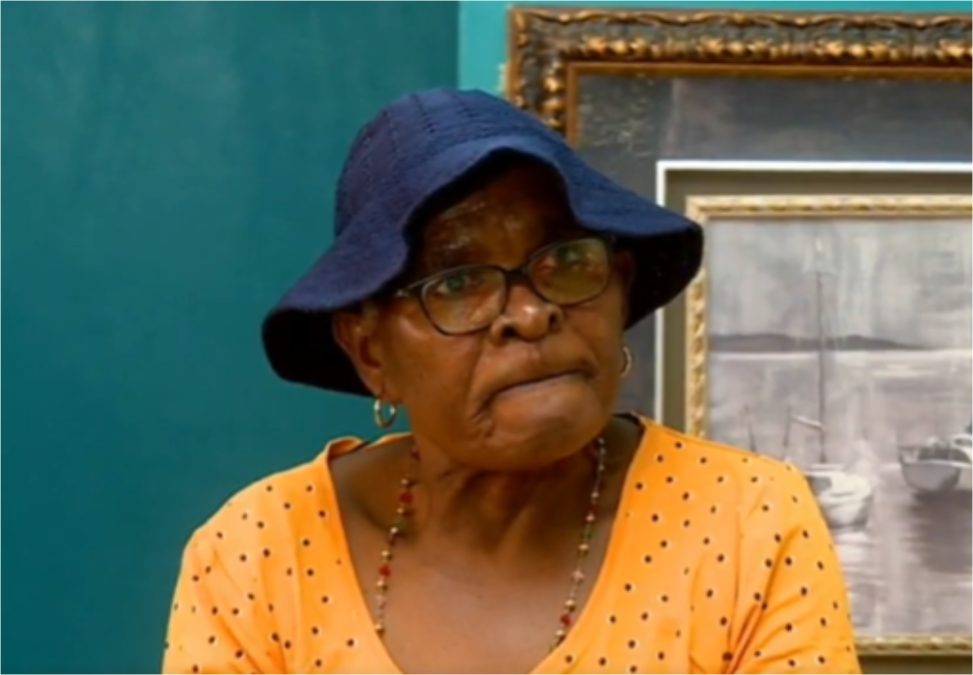
- Questioned transactions linked to the Goldenberg scandal
While working in the Exchange Control Department, Mwatela began questioning documentation presented in support of export compensation claims linked to the Goldenberg affair.
She recalled encountering documents that, in her view, did not adequately prove that goods had been exported from Kenya.
Her position brought her into conflict with businessman Kamlesh Pattni, a central figure in the Goldenberg scandal.
Mwatela said she refused to approve compensation when she was not satisfied with the documentation and resisted attempts to bypass established procedures. She was subsequently transferred from the department after refusing to sign documents she considered questionable.
- Challenged the operations of Charterhouse Bank
Mwatela’s insistence on following procedure continued when she took on senior responsibilities at CBK.
As Acting Governor, she was involved in action against Charterhouse Bank following investigations into alleged financial irregularities.
She recalled facing resistance from then Finance Minister Amos Kimunya over the decision but maintained that delaying action could expose depositors to greater risk.
The Charterhouse controversy became another major chapter in Mwatela’s career as she pushed for action over what she considered serious concerns within the banking sector.
- She questioned the sale of the Grand Regency Hotel
Mwatela’s career also intersected with the controversy surrounding the sale of the Grand Regency Hotel.
The hotel had been linked to the Goldenberg affair and became the subject of intense public debate after its sale to Libyan investors in 2008.
Mwatela questioned aspects of the transaction and maintained that the Central Bank, which had an interest in the property, should have been properly involved.
Her stand added to a series of confrontations in which she pushed for greater scrutiny of financial decisions involving public institutions.
- Rejected currency-printing tender
Another major dispute during Mwatela’s time at CBK involved the procurement of a company to print Kenya’s currency.
Mwatela was chairperson of the tender committee that considered bids for the contract. She rejected a bid from a French company associated with the controversial Artur brothers after concerns were raised over its compliance with the tender requirements.
She maintained that De La Rue International had submitted the strongest bid.
The dispute generated political pressure and became one of the controversies surrounding her final years at the central bank. In September 2008, Mwatela declined an appointment as Permanent Secretary in the Ministry of Northern Kenya Development and Arid Areas and subsequently left the CBK after more than three decades of service.
- Married to a former MP
Mwatela is married to Calist Andrew Mwatela, a Kenyan politician and former educator.
Calist served as the Member of Parliament for Mwatate Constituency between 2007 and 2013. He also represented Kenya in the East African Legislative Assembly and served as an assistant minister for education.
The couple’s family life has largely remained away from the controversies that defined Mwatela’s public career.
- Ventured into politics
After leaving the Central Bank of Kenya, Mwatela entered active electoral politics.
In the 2013 General Election, she contested the Taita-Taveta gubernatorial seat on a Wiper ticket.
She lost to John Mtuta Mruttu, who won with 34,290 votes, while Mwatela came second with 32,890 votes.
Mwatela challenged the election in court, alleging irregularities in the conduct and tallying of the gubernatorial poll. The High Court dismissed her petition on October 3, 2013.
She remained active in Taita-Taveta politics and returned to the gubernatorial race in the 2017 General Election, where she finished fifth in an election won by Granton Samboja.
A career built around asking questions
From her early years at CBK to her rise to Deputy Governor and later entry into politics, Mwatela’s career has been marked by her willingness to question decisions she considered irregular.
Her encounters with the Goldenberg affair, Charterhouse Bank, the Grand Regency Hotel controversy and the currency-printing tender placed her at the centre of some of Kenya’s most contentious financial episodes.
Her story has consequently become one of a public servant who repeatedly pushed for answers, even when doing so brought her into conflict with powerful individuals and institutions.