Advertisement
Inside Ethiopia’s 13-month calendar as the country prepares to usher in 2019
09th September, 2026 06:01 PM
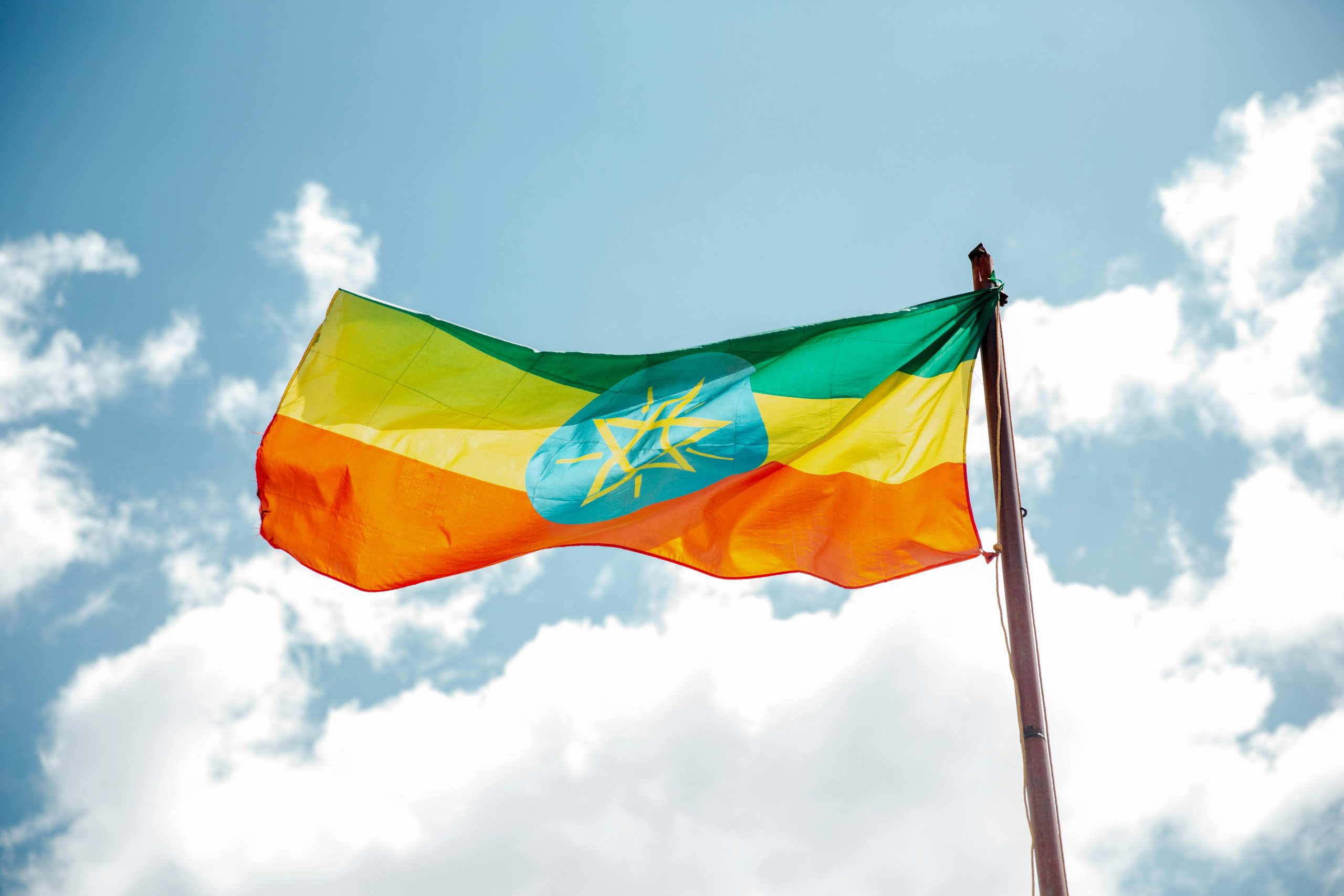
Ethiopia is preparing to celebrate its New Year on Friday, September 11, 2026, when the country will enter 2019 according to the Ethiopian calendar.
Known as Enkutatash, the Ethiopian New Year marks the first day of the Ethiopian calendar year and is traditionally celebrated on September 11, except during a leap year when it falls on September 12.
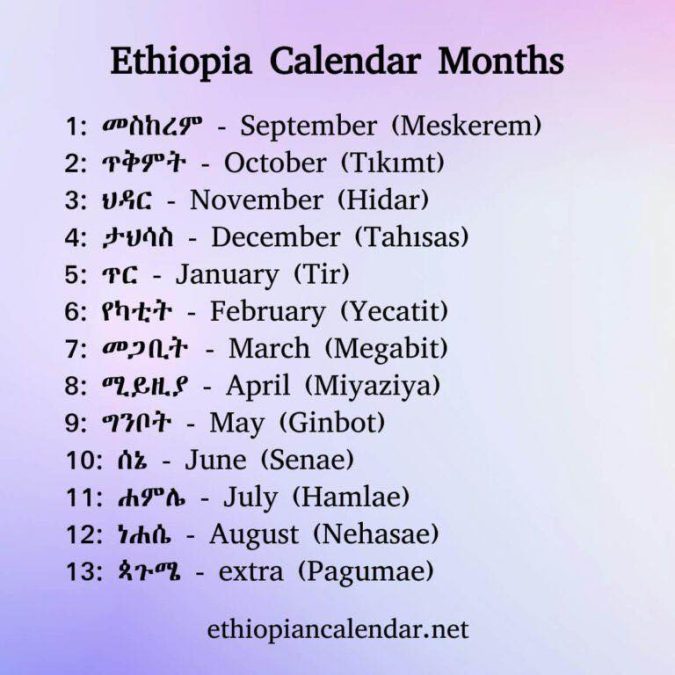
But what makes the celebration particularly fascinating is the calendar behind it. Unlike the Gregorian calendar used in Kenya and many other parts of the world, the Ethiopian calendar has 13 months, 12 months of 30 days each, followed by a short 13th month known as Pagume, which has five or six days.
The unusual calendar is one of the traditions that has helped Ethiopia preserve a distinctive way of marking the passage of time, with the country famously associated with the phrase “Land of 13 Months of Sunshine”.
Why Ethiopia has 13 months
The Ethiopian calendar is based on an ancient system linked to the older Julian calendar. Its 12 regular months each contain 30 days, while Pagume comes at the end of the year to account for the remaining days.
Pagume normally has five days but has six days when an additional day is added to the calendar.
The difference in calendar systems is also why Ethiopia’s year number differs from that used in Kenya and many other countries. As the Gregorian calendar reads 2026, Ethiopia is preparing to enter 2019.
Why September 11 is important
Enkutatash comes at the end of Ethiopia’s main rainy season and coincides with the appearance of Adey Abeba, bright yellow daisies that are associated with the arrival of the new season.
The flowers are therefore an important part of the symbolism surrounding the New Year, representing renewal and new beginnings.
Ethiopia has been observing the days leading to the New Year through various activities, with September 11 marking the official start of 2019 in the Ethiopian calendar.
The New Year is therefore more than a change in the number of the year. It reflects a calendar and cultural tradition that Ethiopia has preserved over generations.
As Ethiopians prepare to usher in 2019, the celebration offers a reminder of the country’s distinctive heritage and its unique way of marking the passage of time.