Advertisement
How xenophobia fears are changing the lives of foreigners
08th September, 2026 06:47 AM
For many foreign nationals who have built their lives in Kenya, the past few days have brought uncertainty over work, business, and whether they still feel safe in the communities they call home.
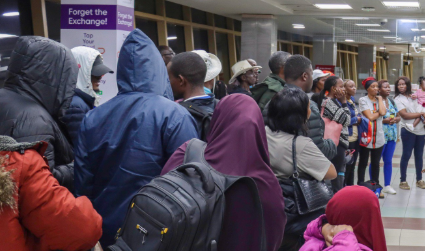
The concern became more visible on Monday, September 7, 2026, when hundreds of Burundians gathered outside their embassy in Nairobi seeking travel documents amid fears linked to the government’s crackdown on foreign nationals operating small-scale businesses without work permits.
Some arrived carrying suitcases and personal belongings, with reports showing long queues outside the embassy. For some, the decision to leave Kenya was not necessarily a choice but a response to growing uncertainty about what could happen next.
Businesses and livelihoods affected
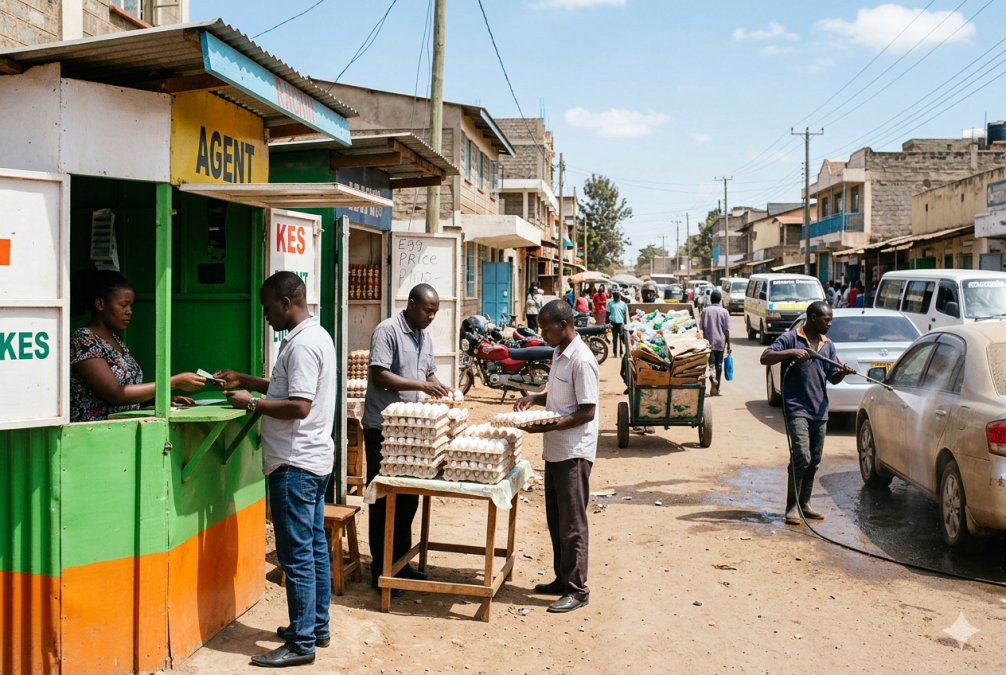
Foreign nationals from different parts of East Africa have for years made a living in Kenya through small businesses, street vending and informal trade.
For families that depend on such businesses, losing a source of income can mean more than closing a shop or leaving a trading spot. It can affect rent payments, school fees, food and other daily expenses.
The government has maintained that the directive is aimed at foreigners operating small businesses without the required work permits and is intended to protect opportunities for Kenyan traders.

However, the development has created anxiety among some foreign nationals, particularly those who may not have proper documentation. There are about 16,000 Burundian refugees and asylum seekers in Kenya, with many involved in small-scale businesses.
Fear goes beyond the workplace
The impact of the situation is not limited to businesses.
Reports of some foreign nationals receiving threats from neighbours have raised concerns that enforcement of immigration rules could spill over into ordinary communities.
This is where the conversation about xenophobia becomes important.
A government directive to enforce immigration or work regulations does not give members of the public permission to harass, threaten or attack people because of their nationality.
Government Spokesperson Charles Owino has warned against such behaviour, saying documented foreign nationals and those undergoing registration should not face arbitrary harassment or discrimination.
The government has also announced a temporary registration window for undocumented East Africans, including Burundians, during which those undergoing registration will be presumed legally present in Kenya.
A concern for East African communities
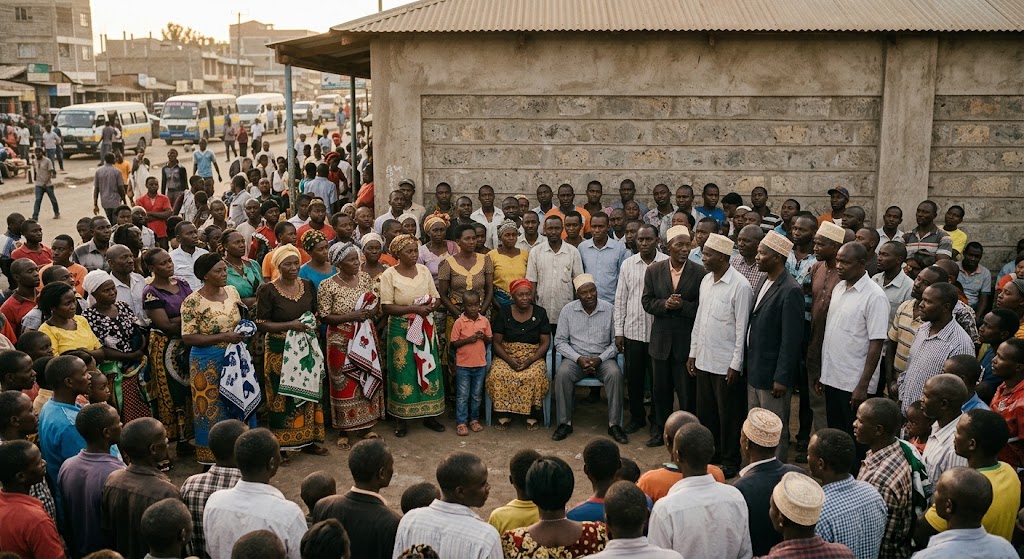
Kenya has long been a destination for people from across East Africa looking for employment, education, business opportunities and safety.
The current situation has therefore raised concerns about how ordinary Kenyans and their neighbours from countries such as Burundi and Rwanda interact in workplaces, estates and marketplaces.
There are also concerns that hostility towards foreign nationals could have consequences beyond Kenya’s borders, particularly because many Kenyans live and work in other East African countries.

The debate has consequently moved beyond who should operate a business to a wider question about how countries in the region can protect local opportunities while treating migrants and neighbouring communities fairly.
Protecting livelihoods without creating fear
The government’s position is that foreigners who comply with immigration and work requirements have nothing to fear.
At the same time, the events outside the Burundi embassy show how quickly uncertainty can spread when a policy affecting livelihoods is announced.
For families living in Kenya, the issue is therefore not only about permits or businesses. It is also about feeling secure in the neighbourhoods where they live, being able to work without intimidation and knowing that disagreements over jobs or trade will not turn into hostility based on nationality.
As Kenya continues with the registration and enforcement process, how the rules are implemented will be important in determining whether the current anxiety settles or deepens.
For a country that shares close social, economic and cultural ties with its East African neighbours, protecting Kenyan livelihoods and preventing xenophobic treatment of foreigners will remain two issues that need to be handled together.