Advertisement
How to tell if sneakers are original or fake
13th April, 2026 10:14 AM
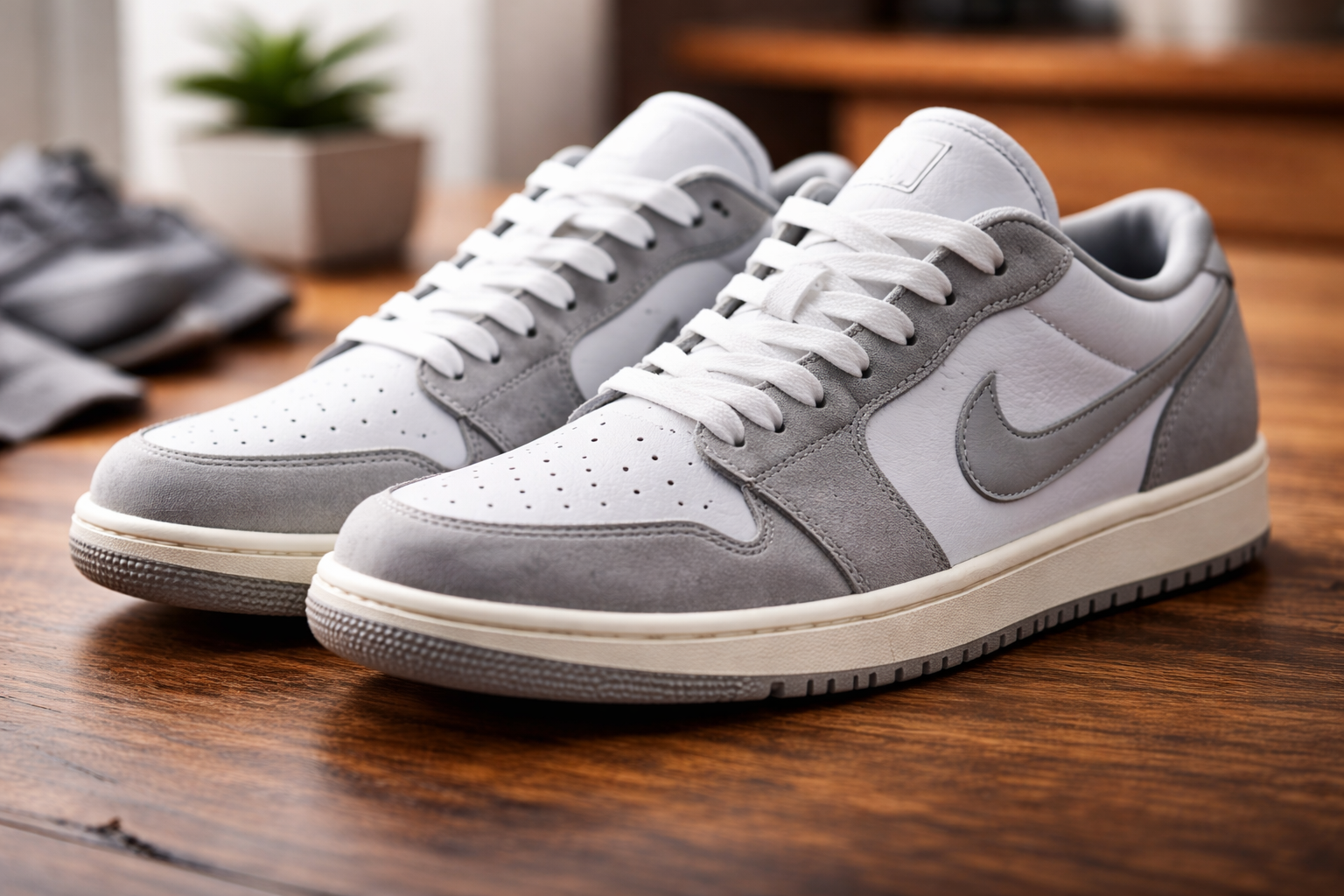
Sneakers have become more than footwear. They are part of fashion, identity and daily comfort.
As demand grows, so does the number of counterfeit pairs in the market.
Many fake sneakers now look convincing at first glance, which makes it harder for buyers to know what is genuine.
The good news is that original sneakers usually reveal themselves through details. You do not need to be an expert collector to spot many red flags.
You only need to know where to look.
Start with the overall build quality
Authentic sneakers are typically made with better materials and tighter quality control.
That means cleaner stitching, stronger glue work, smoother edges and a more consistent shape.
Fake pairs often show small flaws such as uneven stitching, loose threads, excess glue marks, poor alignment or awkward shaping around the toe box and heel.
A genuine pair should feel well finished, not rushed.
Check the logo carefully
Brand logos are one of the easiest places to inspect. On original sneakers, logos are usually sharp, balanced and placed correctly.
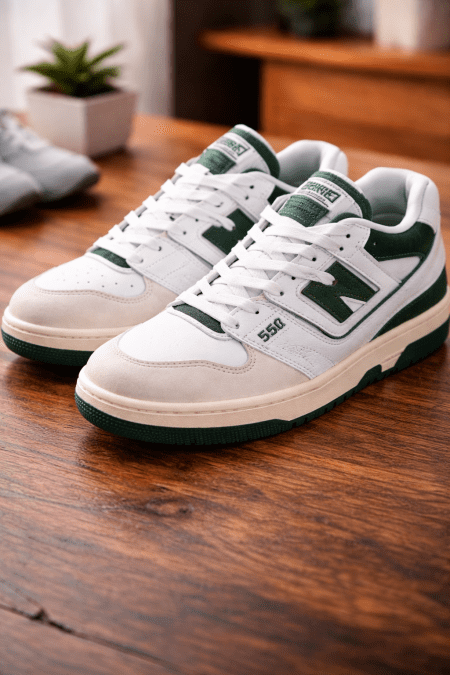
Counterfeit pairs may have slightly wrong fonts, poor spacing, crooked placement or shapes that look almost right but not exact.
Compare the shoe with official product images from the brand’s website if possible. Small logo differences matter.
Look at the box and packaging
Original sneakers often come with quality packaging. The box is usually sturdy, clearly printed and includes accurate labels such as size, colourway, model code and barcode.
Fake pairs may arrive in thin boxes, with faded printing or labels that do not match the shoes inside.
Misspellings and poor print quality are common warning signs.
Packaging alone does not prove authenticity, but it adds useful clues.
Inspect the label inside the shoe
Most branded sneakers include an internal size tag with details such as country sizing, manufacturing information and product codes.
Check that the text is clear and neatly printed. If the label looks blurry, poorly attached or contains strange spacing, be cautious.
You can also search the model code online. If the code leads to a completely different shoe, that is a strong red flag.
Feel the materials
Original sneakers usually use better foam, fabric, leather or synthetic materials. They tend to feel more structured, comfortable and durable.
Fake pairs may feel overly stiff, too light, cheaply padded or have a strong chemical smell from low-grade glue and materials.
Your hands can often notice what your eyes miss.
Compare the price with reality
A huge discount can be tempting, but price often tells a story.
If a high-demand sneaker worth thousands is being sold at an unrealistically low price by an unknown seller, caution is wise.
Genuine sellers can offer deals, but extreme bargains often come with risk.
If it looks too good to be true, pause and verify.
Buy from trusted sources
One of the safest ways to avoid fake sneakers is buying from authorised retailers, official brand stores or trusted resale platforms with verification systems.
Street deals, random social media pages or sellers who avoid questions may carry a higher risk.
Where you buy matters as much as what you buy.
Check comfort and fit
Original sneakers are usually designed with performance and comfort in mind. Cushioning, support and fit often feel more refined.
Counterfeit pairs may copy the look but fail to match the feel.
If the shoe feels strangely uncomfortable, unstable or poorly balanced, it may not be genuine.
Use multiple signs, not one sign
No single clue always proves a sneaker is fake or original. A damaged box, for example, does not automatically mean the shoes are counterfeit.
The smartest approach is to combine signs: build quality, logo accuracy, labels, materials, seller reputation and price.
The more red flags you see together, the more careful you should be.
To tell if sneakers are original or fake, focus on details. Check stitching, logos, labels, packaging, materials and seller credibility.
Authentic pairs usually show consistency, quality and accuracy. Fake pairs often reveal shortcuts.
A careful buyer does not need to rush. Taking a few extra minutes to inspect a pair can save money, disappointment and regret later.