Advertisement
How to choose a ripe watermelon without cutting it open
18th March, 2026 03:53 PM
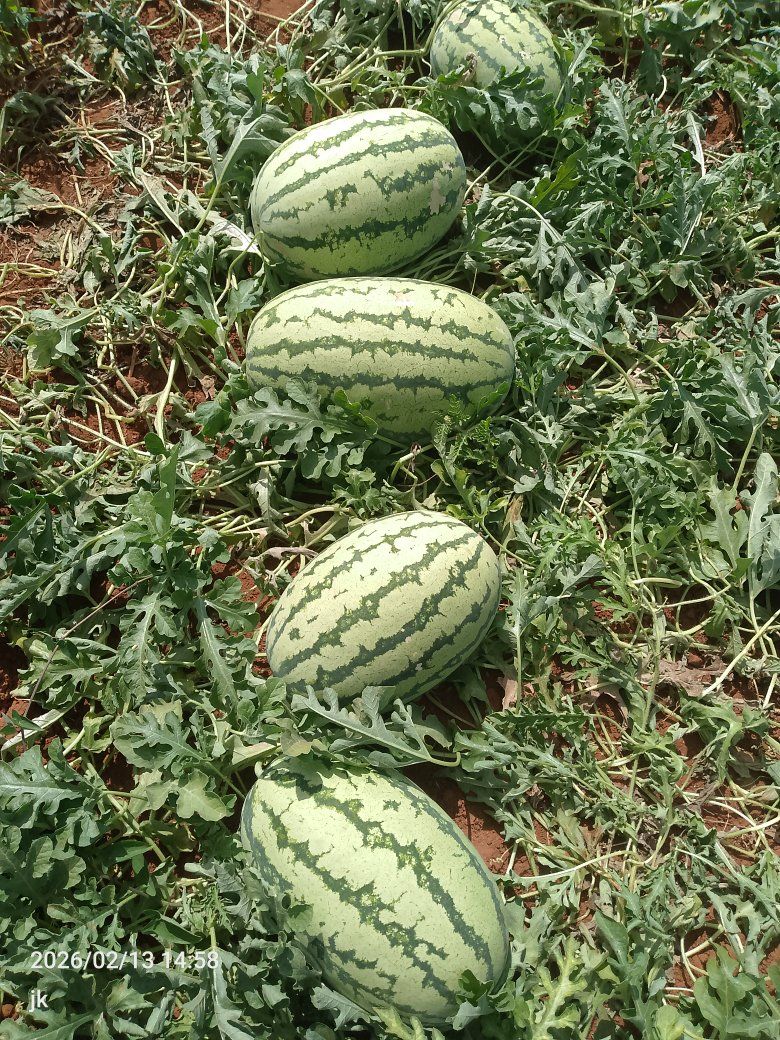
Watermelon is one of those fruits that looks simple to buy but often disappoints. Many people have experienced it.
You pick a big, attractive melon, carry it home, cut it open and the taste is flat. Sometimes it is too watery, other times it feels soft and rubbery, almost like chewing gum.
A good watermelon should be sweet, firm and refreshing. When you bite into it, it should feel crisp and juicy, not soft like a mango.
The challenge is knowing how to identify that quality before you even cut it open.
Why watermelon quality matters
Watermelon is made up of more than 90 per cent water, which makes it one of the best fruits for hydration, especially in hot weather.
It also contains natural sugars that give it its sweetness, along with vitamins such as vitamin C and vitamin A, which support the immune system and skin health.
It also has antioxidants like lycopene, which is linked to heart health and helps protect the body from damage.
This is why a good watermelon is not just about taste. It is also about getting the full nutritional value.
However, when the fruit is unripe or poorly developed, you miss both the flavour and the benefits.
Check the field spot
One of the easiest ways to tell if a watermelon is ripe is by looking at the field spot. This is the patch where the fruit rested on the ground as it grew.
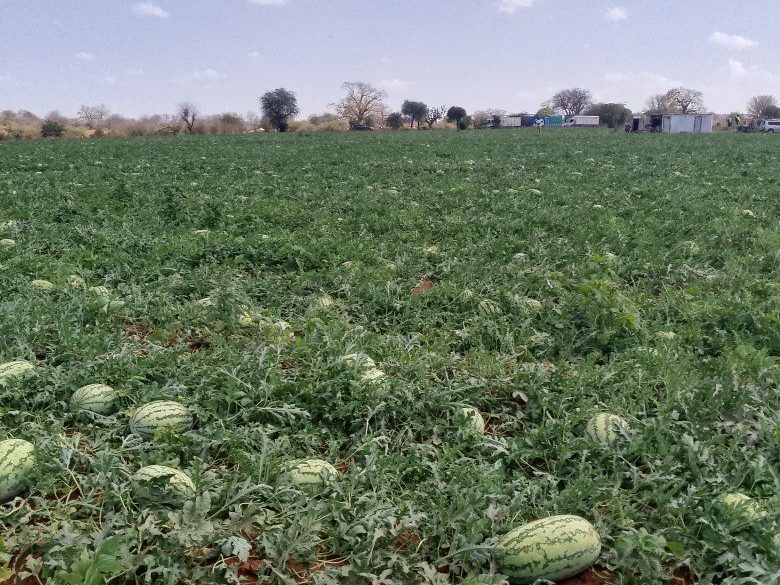
A ripe watermelon will have a deep yellow or creamy field spot. This shows it had enough time to mature naturally under the sun.
If the spot is pale or white, it means the fruit was picked too early and may not be sweet.
This small detail can make a big difference in what you get after cutting it open.
Listen to the sound
Another common method is the sound test, but it only works if you know what to listen for.
When you tap a watermelon gently, a ripe one produces a deep, hollow sound. This indicates that the inside is full of water and properly structured, which gives that crisp bite.
If the sound is dull or flat, the fruit may be either underripe or overripe. That is where the disappointing texture comes in, where the flesh feels too soft or lacks firmness.
Feel the weight
A good watermelon should feel heavy for its size. This is a sign that it is packed with water and has developed well.
If you pick up two watermelons of similar size, always go for the heavier one. The extra weight usually means more juice and better quality inside.
A lighter one may look just as good on the outside but may not deliver the same experience when eaten.
Look at the outer skin
The skin of the watermelon also tells a story. A ripe one often has a dull, slightly rough surface. This shows it has matured fully.
A very shiny watermelon may look attractive, but it can be a sign that it was harvested too early. Such fruits often lack the sweetness people expect.
The texture test you cannot ignore
One thing many people overlook is texture.
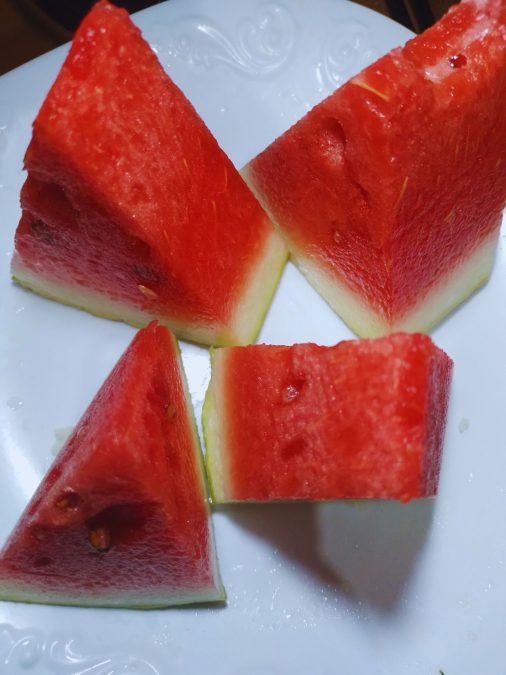
A proper watermelon should be firm and crisp when you bite into it. It should break cleanly and release juice. If it feels soft, spongy or gum-like, then something is wrong. Either it is overripe or it did not grow properly.
This is why some watermelons feel disappointing even when they look perfect from the outside.
Why many people get it wrong
Most buyers focus on size or appearance. A bigger watermelon is often assumed to be better, but that is not always true.
What really matters is how long the fruit stayed on the ground, how much water it absorbed and whether it matured naturally.
Without checking the key signs, it is easy to end up with a fruit that looks good but tastes bland.
Final word
Choosing a ripe watermelon does not require special skills. It is about paying attention to simple details.
Check the field spot, listen to the sound, feel the weight and observe the skin.
These small steps can help you avoid wasting money and ensure you get a sweet, juicy and satisfying fruit.
Because at the end of the day, a good watermelon is not just about eating. It is about enjoying that fresh, crisp and refreshing bite that makes it worth buying.