Advertisement
How to build an outfit around a statement piece
07th May, 2026 08:34 AM
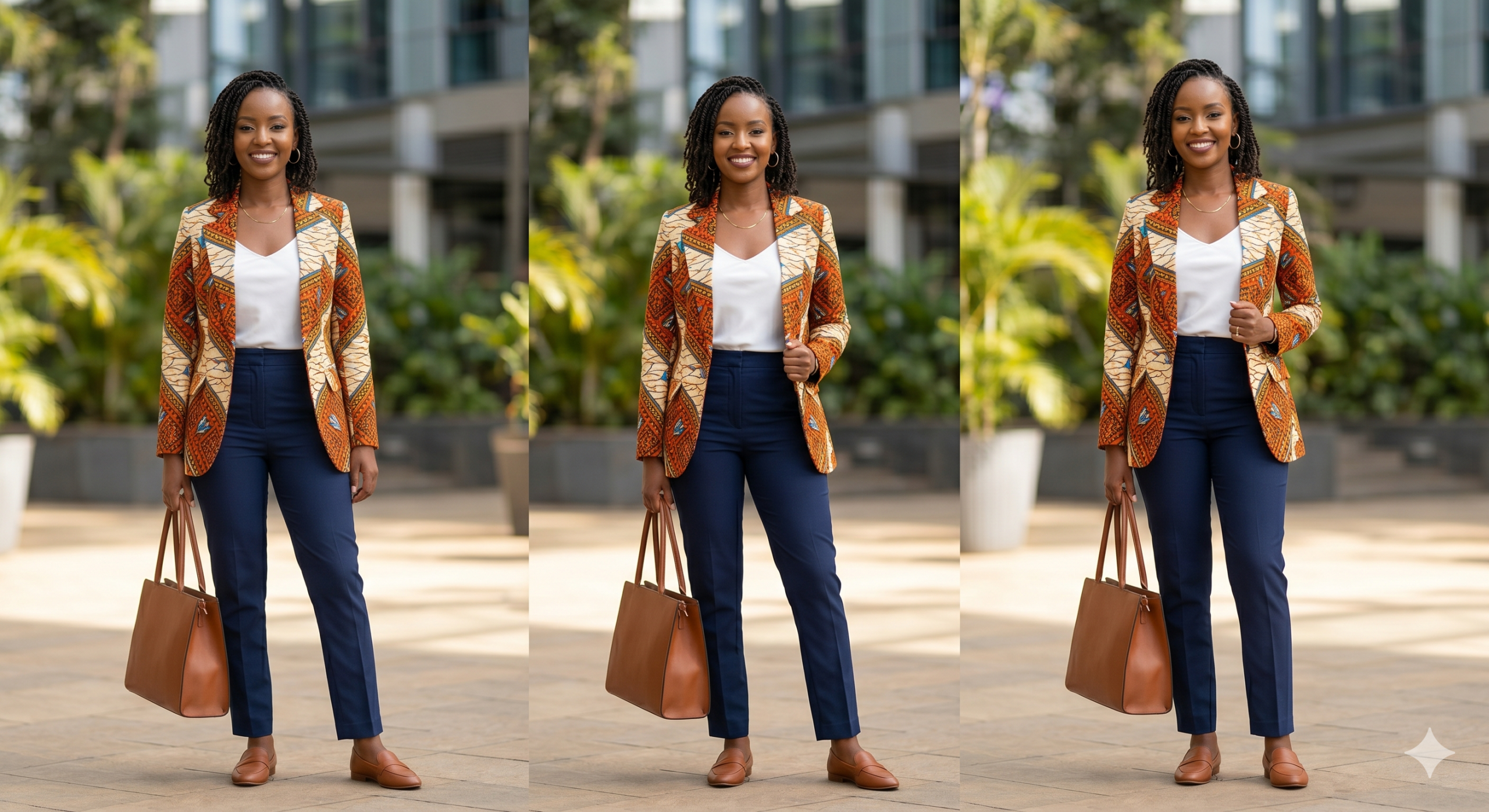
That printed blazer has been sitting in your wardrobe for three months.
You love it every time you look at it, but every time you try to wear it out the door, something feels off.
It clashes with your top, competes with your bag, or gets so buried under everything else going on in the outfit that you may as well have worn a plain one.
The good news is that statement pieces (a bold blazer, a striking pair of shoes, a standout bag) are actually easier to style than most people think. The trick is understanding one thing: the statement piece is the anchor of the outfit, not its competition.
Start with one, then build outward
The first and most important rule is simple: choose your statement piece before you choose anything else.
If you are working with a printed blazer, that blazer is the decision.
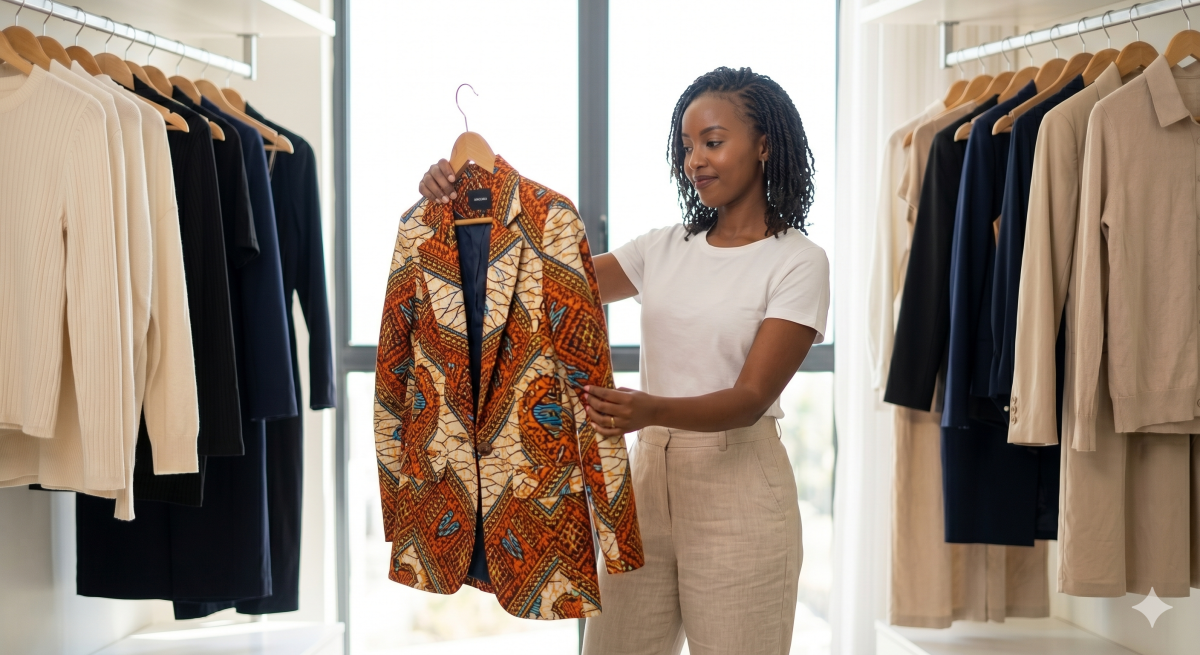
Everything that follows, your inner, your trousers, your shoes, your bag, exists to support it, not rival it.
This means reaching for the quieter options in your wardrobe. If your blazer has a bold orange and cream print, a plain white or cream inner pulls the eye toward the blazer rather than away from it.
Neutral trousers (beige, black, navy) do the same. The statement piece leads; the rest follow.
The same logic applies to accessories. If your shoes are the focal point, keep your bag understated. If your bag is doing the talking, let your shoes be simple.
Trying to run two focal points at the same time is exactly how an outfit starts to feel chaotic.
Let the rest of the outfit breathe
There is research behind why this works. A study published in the peer-reviewed journal PLOS ONE, by researchers at Duke University and Carnegie Mellon University, found that “maximum fashionableness is attained when outfits are neither too coordinated nor too different.”
The researchers called this the Goldilocks Principle: the most stylish looks sit in the middle ground, where one element stands out and the rest offer calm, complementary support.
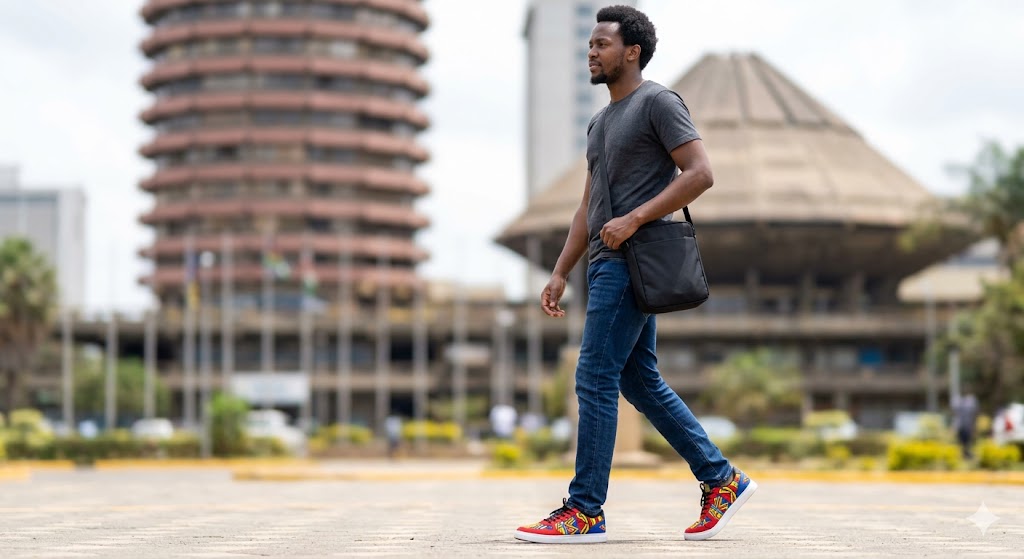
That is exactly what building around a statement piece achieves. The bold item gives the outfit personality. The quieter pieces give the eye somewhere to rest. That balance is what makes the whole thing look intentional rather than thrown together.
A practical way to apply this: pull one colour from your statement piece and repeat it somewhere small. If your printed blazer has a streak of burgundy, a burgundy earring or belt keeps the look cohesive without adding another element that competes for attention. One quiet echo, not a full match.
Silhouette matters here too. A statement piece in a looser, relaxed cut works well with something more structured underneath or below it, and vice versa. One clearly sharper silhouette keeps the look grounded when you are mixing volumes.
The wardrobe lesson worth holding onto is this: bold pieces do not need rescuing. They need space. Strip everything back, choose your neutrals carefully, and the printed blazer, the striking shoes or the standout bag will do exactly what you brought it home to do.