Advertisement
How political views are slowly becoming a dealbreaker in dating
18th May, 2026 07:02 PM

In Kenya, dating has always come with its own unique challenges, but a new and powerful filter is emerging: political views.
What used to be a light conversation topic is now increasingly becoming a hard dealbreaker for many young Kenyans, particularly Gen Z and millennials.
The Kenyan context shows why this shift is happening. Unlike in many Western countries, where politics is often shaped by ideology, in Kenya, political affiliation is deeply tied to ethnicity, region, and historical loyalties.
Supporting a particular leader or party often signals which “side” you belong to, whether it is Mt. Kenya, Nyanza, Coast, Rift Valley, or Western. This makes political identity feel personal, emotional, and sometimes even cultural.
‘Wantam’ vs ‘Tutam ‘: New dating language
Today, this divide has taken on new slogans such as “Wantam” and “Tutam,” which have become powerful shorthand ahead of the 2027 elections.
“Wantam” is often used by those opposing a second term for President William Ruto, while “Tutam” represents support for continuity and another term in office.
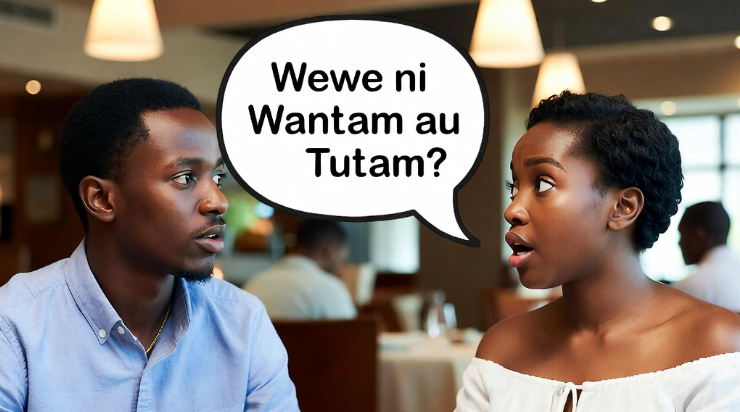
In dating, a simple question like “Wewe ni Wantam au Tutam?” can now determine whether a connection continues or ends immediately.
One reason political views are becoming non-negotiable is heightened political awareness. The Finance Bill protests and ongoing political debates have made young people more engaged than ever.
Many now openly share their opinions on social media and bring these conversations into dating spaces early on.
In Kenya, political affiliation often reflects beliefs about corruption, governance, economic justice, and youth opportunities. When two people hold completely different views on these issues, it can create ongoing tension in a relationship.
Family and social expectations also play a major role. Kenyan relationships are rarely private, and families often ask which political side a partner belongs to. During election seasons, especially, these differences can create serious friction.
Politics on social media
Social media has made it impossible to hide political identity. Likes, reposts, and comment sections quickly expose people’s positions, and many young Kenyans report ending potential relationships after discovering strong opposing political views.
While this trend shows that young people are becoming more value-driven in relationships, it also raises concerns. It can deepen divisions and limit opportunities for open dialogue and understanding between different groups.
Political views in Kenya are no longer just opinions. They have become a reflection of identity, values, and future outlook, making them an increasingly powerful factor in modern dating.
Author
William Muthama
William Muthama is a digital journalist with a focus on entertainment, human interest, and current affairs. Share stories: [email protected]/ [email protected]
View all posts by William Muthama