How diet affects skin: Surprising link between food and clearer complexion
By William Muthama, March 24, 2026The foods we eat can influence more than just our waistlines; they also play a significant role in the health and appearance of our skin.
While many people focus on creams, serums, and skincare routines, research shows that nutrition from within can be just as important.
According to a study published by the National Library of Medicine by Nidhi Sharma and Sachin M. Chaudhary, diet has a measurable impact on dermatological health.
Proper nutrition provides the vitamins, minerals, and antioxidants needed to support the skin’s natural repair mechanisms, reduce inflammation, and maintain hydration, elasticity, and overall appearance.
Foods that support skin health
Certain foods have been shown to actively improve skin health and reduce the risk of dermatological issues. Fruits and vegetables are rich in antioxidants, vitamin C, and carotenoids, which help protect the skin from oxidative stress and promote collagen production.
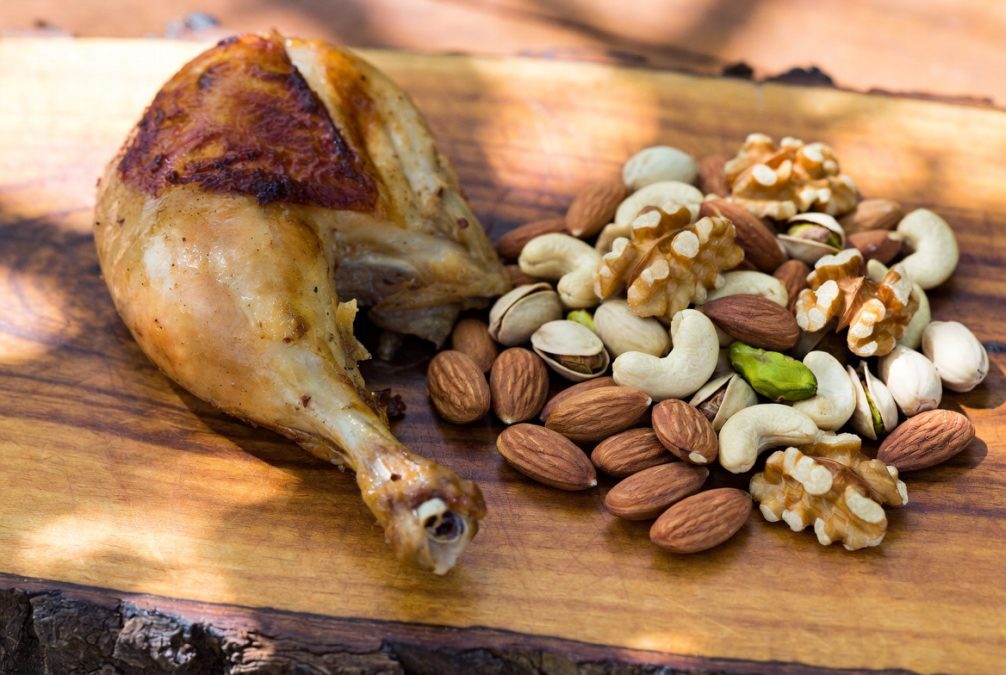
Lean proteins like chicken (kuku), eggs (mayai), and beans (maharagwe) provide amino acids necessary for skin repair, while nuts and seeds supply essential fatty acids that maintain skin barrier function and hydration.
Omega-3-rich foods, such as salmon, chia seeds, and flaxseeds, help reduce inflammation, which is particularly beneficial for acne, eczema, and other inflammatory skin conditions.
Whole grains and legumes, such as brown rice, oats, and lentils (kunde), provide fibre, which supports digestion and helps regulate blood sugar, indirectly contributing to healthier skin.
“Adequate intake of essential vitamins and minerals, along with a diet low in processed sugars and saturated fats, has been shown to improve skin appearance and reduce the risk of dermatological disorders,” The study notes.
Foods that harm your skin
On the other hand, some foods and dietary patterns may worsen skin health. High-glycemic foods like white bread, sweets, and sugary snacks can spike blood sugar, triggering inflammation and increased oil production, which may aggravate acne.
Diets high in processed and fast foods, saturated fats, and certain dairy products have also been linked to flare-ups of acne, eczema, or psoriasis.

Excessive sugar intake promotes oxidative stress, while fried and ultra-processed foods may negatively affect skin barrier function.
While these foods do not affect everyone equally, they can exacerbate conditions in individuals already prone to dermatological issues.