How your washing machine’s different cycles work
By Dan Kauna, September 14, 2026Standing in front of a washing machine and having to pick a setting at times feels like hitting random buttons and hoping for the best.
Most people select the same setting for every laundry load, whether washing light t-shirts or muddy trousers. However, washing machine cycles are not just timers.
Every cycle changes two main elements: mechanical action (how hard the drum spins and agitates) and thermal energy (the water temperature). Knowing how these forces work together helps protect fabrics, save electricity, and get clothes cleaner.
Understanding water temperature and drum action
The main engine behind any washing cycle is mechanical agitation. Inside the drum, clothes rub against each other and the sides of the machine to dislodge dirt.
Heavy-duty cycles use maximum drum rotation with forceful stops and starts. This creates high friction to lift tough stains from sturdy fabrics like denim, canvas, and heavy towels.
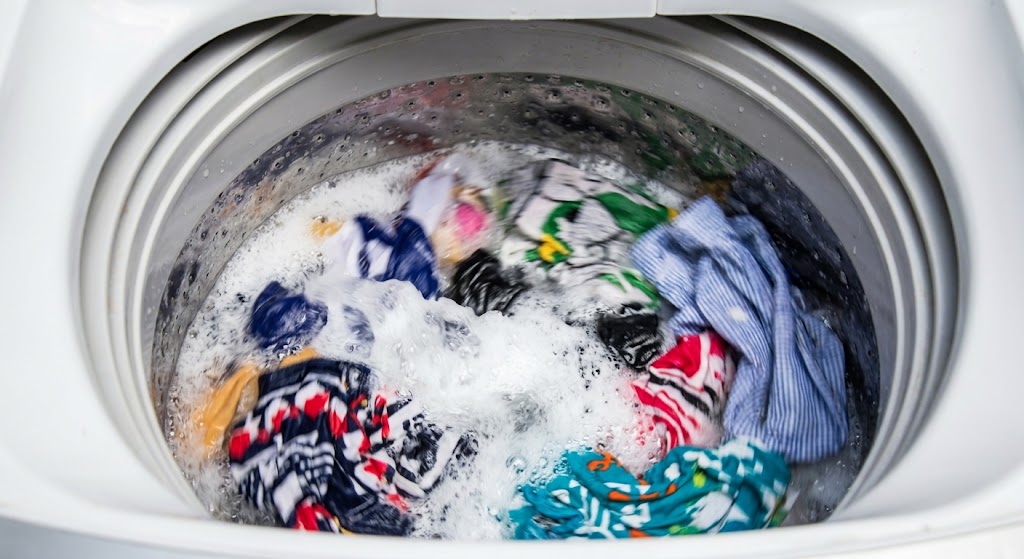
These cycles often run with warm or hot water because thermal heat breaks down grease and oils far faster than cold water alone.
By contrast, quick wash settings reduce wash time dramatically, typically running for 15 to 30 minutes. Quick wash cycles use high-speed tumbling paired with cold or lukewarm water to refresh clothes that are not heavily soiled.
Because the wash time is short, detergent has less contact time with the fabric. Overloading a quick wash load means dirt simply shifts around rather than washing away completely.
Choosing between quick, heavy, and delicate cycles
Delicate cycles take the opposite approach to heavy-duty settings. They use slow drum rotations, long pauses, and low spin speeds to prevent stretching or tearing thin fabrics like silk, lace, and knits.
Cool water is essential here to prevent shrinkage and fabric damage.

However, gentle drum movements do not mean delicate cycles are completely harmless to synthetic garments. Delicate settings flood the drum with a large volume of water to float fabrics and prevent friction.
A peer-reviewed study by Newcastle University found that “the high volume of water used in a delicate cycle which is supposed to protect sensitive clothing from damage actually ‘plucks’ away more fibres from the material.”
This high water volume causes synthetic clothes like polyester fleece to shed hundreds of thousands more microplastic fibres into wastewater compared to standard settings.
Matching garments to the right cycle comes down to fabric strength and dirt level. Reserve heavy-duty cycles for thick, heavily soiled items, use quick wash for lightly worn daily clothes, and use delicate settings only when fabric tags explicitly demand low agitation.