Advertisement
How to choose curtains that work for your home
11th July, 2026 09:53 AM
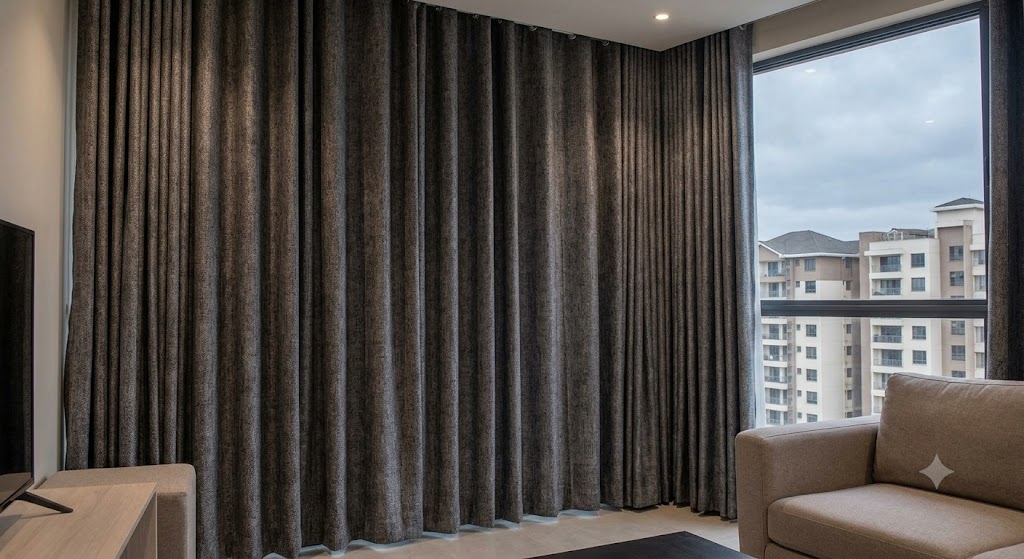
Many people choose curtains based purely on appearance. A quick trip to fabric sellers usually involves picking pretty colours or modern patterns.
However, windows dictate the actual comfort of a home. In a typical apartment, curtains function as tools to manage heat, block harsh light, reduce noise, and protect privacy.
Beating the July cold and bright mornings
Nairobi apartments often have large, single-glazed windows. These glass panes let in light but offer almost no insulation against the weather. During the chilly season in July, indoor spaces lose heat rapidly through the glass.
Choosing thick fabrics like velvet, heavy denim, or dense faux silk creates a reliable thermal barrier. These materials trap a layer of air between the window and the room, stopping cold drafts from circulating.

Light management is equally important, especially for bedrooms facing east that catch the early morning sun. Standard sheer curtains fail to block this glare, which often disrupts sleep.
Adding a thick blackout lining solves this problem. This fabric density also helps with sound absorption.
A study published in the Textile Research Journal shows that “textile curtains can be designed to be good sound absorbers” when chosen with the right density and fullness.
Handling city noise and picking the right fabric
Nairobi is a busy city. Matatu horns, traffic, and loud estate activities pass easily through thin window glass. While structural soundproofing is expensive, curtain density measurably cuts down external noise.
Tightly woven fabrics absorb sound waves instead of letting them bounce off bare walls and tiled floors.
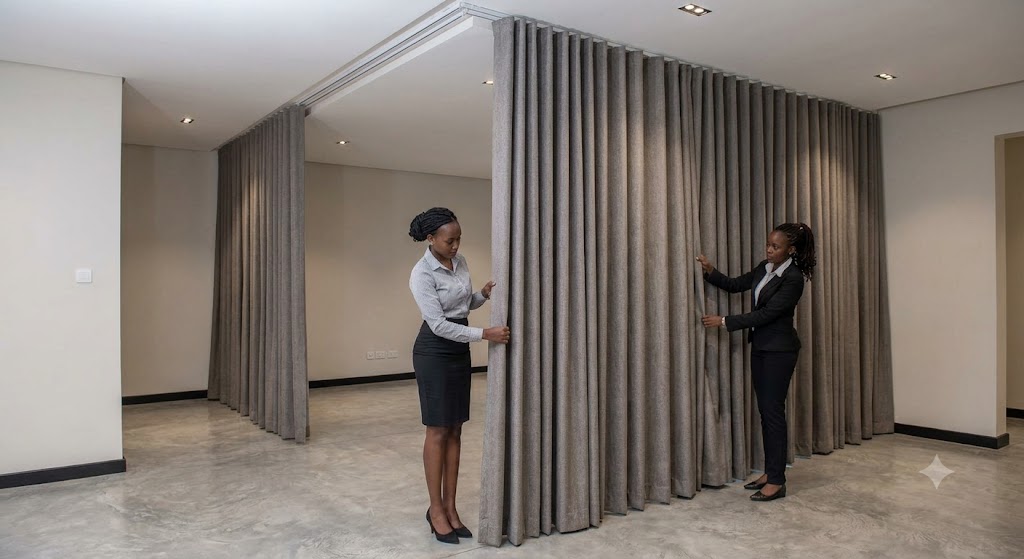
To get the best functional benefits, hanging systems matter. Curtains should extend from the ceiling right down to the floor and overlap fully in the middle. Standard rings often leave gaps at the top, whereas track systems mounted directly to the ceiling block rising air currents and leaking sound.
When shopping, buyers should look for heavy fabrics weighing over 300 grams per square metre.