Advertisement
Everyday activities that boost a child’s learning
09th July, 2026 05:42 PM

Children learn long before they step into a classroom and so every conversation, game, and daily routine helps shape their thinking, language, problem-solving skills, and confidence.
The best part is that many of the most effective learning opportunities happen during ordinary moments at home.
Here are simple everyday activities that can support your child’s development and make learning fun.
Read together every day
Reading is one of the most powerful ways to encourage learning.
Whether it is a bedtime story or a picture book during the day, reading helps children build vocabulary, improve listening skills, and develop their imagination.
Ask questions about the story, encourage your child to describe the pictures, and let them predict what might happen next. These conversations strengthen language and critical thinking.
Talk throughout the day
Children learn language by hearing and using it and so always describe what you are doing while cooking, shopping, or cleaning, and encourage your child to ask questions and share their thoughts.
Simple conversations help children expand their vocabulary, improve communication skills, and build confidence in expressing themselves.
Encourage creative play
Drawing, painting, building with blocks, pretending to run a shop, or dressing up as different characters all encourage creativity and problem-solving.
Imaginative play also helps children develop social and emotional skills as they learn to express ideas and understand different perspectives.
Count during everyday tasks
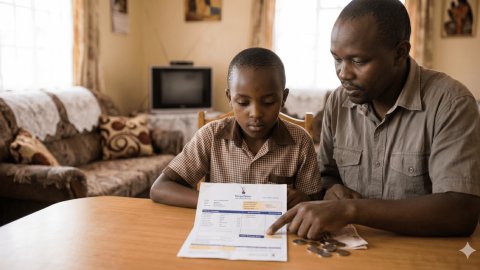
Learning numbers doesn’t have to involve worksheets. Count stairs as you climb them, fruits while shopping, or spoons as you set the table.
These everyday activities introduce basic maths concepts in a natural and enjoyable way.
Spend time outdoors
Nature is a wonderful classroom. Walking in the park, collecting leaves, observing insects, or simply playing outside encourages curiosity and supports physical development.
Outdoor play also improves coordination, balance, and overall health while giving children opportunities to explore their surroundings.
Let children help with household chores
Simple chores such as sorting laundry by colour, watering plants, or setting the table teach responsibility and practical life skills.
These tasks also improve organisation, memory, and fine motor skills while helping children feel capable and included.
Sing songs and nursery rhymes
Music supports language development, memory, and listening skills. Singing familiar songs, clapping to rhythms, and learning action songs can make learning enjoyable, especially for younger children.
Solve simple puzzles together
Jigsaw puzzles, matching games, and shape sorters help children strengthen problem-solving abilities, concentration, and hand-eye coordination.
Celebrate their efforts rather than focusing only on getting the right answer to build confidence and perseverance.