5 first-aid skills every parent should teach school-going children
By Cynthia Lodite, September 3, 2026As schools reopen, parents often focus on uniforms, books, shoes and transport arrangements. But there is another important preparation that can easily be overlooked: teaching children what to do when they or another child gets hurt.
A child does not need to become a first-aid expert. However, knowing a few basic steps can help them stay calm and seek the right help when an accident happens at school, on the playground or on the way home.
Here are five basic first-aid skills parents can teach school-going children.
1. How to treat a small cut
Children often get minor cuts and scrapes while playing.
Teach your child to first move away from whatever caused the injury and tell a teacher or another trusted adult. If the cut is minor, they can wash their hands if possible and gently rinse the wound with clean running water.
They should avoid touching the wound unnecessarily and should not put soil, leaves or other unclean substances on it.
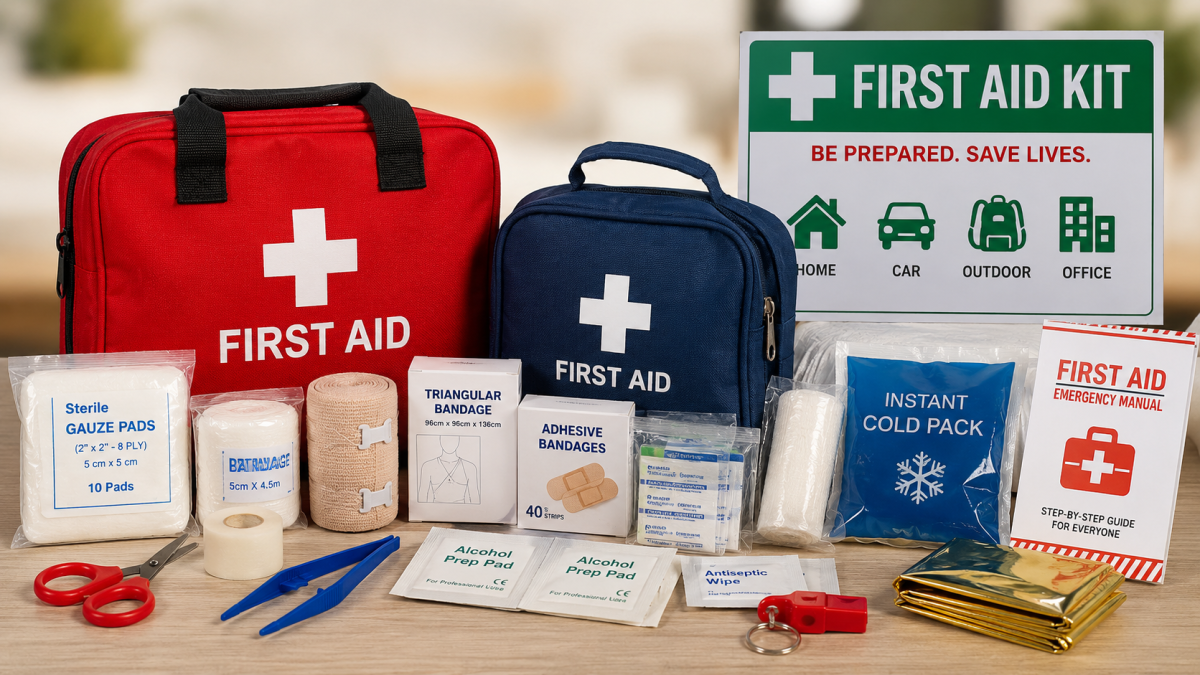
If bleeding continues, an adult can help apply gentle, steady pressure with clean cloth or gauze.
Children should know that heavy bleeding, a deep wound or an injury caused by a serious accident requires immediate adult assistance.
2. What to do when someone has a nosebleed
Nosebleeds can happen during play, after a minor injury or for other reasons.
Teach your child to remain calm and tell an adult. The person should sit upright and lean slightly forward while the soft part of the nose is gently pinched.
Children should not tilt the person’s head backwards because blood can run down the throat.
If the bleeding is heavy, follows a significant injury or does not stop after applying pressure, an adult should seek medical attention.
3. How to respond to a minor burn
A child may accidentally touch a hot object or spill a hot drink.
The first step is to move away from the source of heat and alert an adult. For a minor burn, cool running water can be used to cool the affected area.
Teach children not to put toothpaste, cooking oil, butter or other household substances on a burn. They should also not pop blisters.
Serious burns, burns involving large areas of the body or burns affecting sensitive areas such as the face require urgent medical attention.
4. What to do when someone is choking
Choking can become an emergency very quickly.
Children should learn to recognise when someone cannot breathe, speak or cough properly. The most important lesson is to alert an adult immediately.
Older children who have been properly taught age-appropriate first aid may learn specific choking-response techniques from a qualified first-aid instructor. Younger children should not be expected to perform complicated procedures on their own.
Parents can also teach children never to put their fingers into another person’s mouth to search blindly for an object.
5. Knowing when to call for help
Perhaps the most important first-aid lesson is knowing when not to try to handle an emergency alone.
Children should know how to identify trusted adults at school, such as their teacher, school nurse, administrator or security staff.
They should also know how to clearly explain what happened, where the injured person is and what they can see.
Parents can practise simple emergency scenarios at home so that children become comfortable speaking up instead of panicking or hiding an injury.