High heels: Fashion choice with mixed health impacts
By William Muthama, April 14, 2026High-heeled shoes remain one of the most recognisable symbols of modern fashion, but research shows they come with a complicated mix of benefits and health risks.
They are mostly worn by women as part of style, identity, and social presentation, often linked to confidence and appearance in both casual and formal settings.
According to a study published by the National Library of Medicine, Max Barnish and Heather May Morgan highlight that high heels are widely worn not only as a style choice, but also as part of cultural and gender identity.
However, the study notes that their use is linked to both social appeal and physical consequences, making them a subject of ongoing public health debate.
The review found that high heels are strongly associated with increased attractiveness and social perception. Several studies included in the analysis showed that heel wear can influence how individuals are viewed in social and psychosexual contexts.
“The popular view that wearing high heels increases women’s attractiveness to men is supported by scientific evidence,” the study notes.
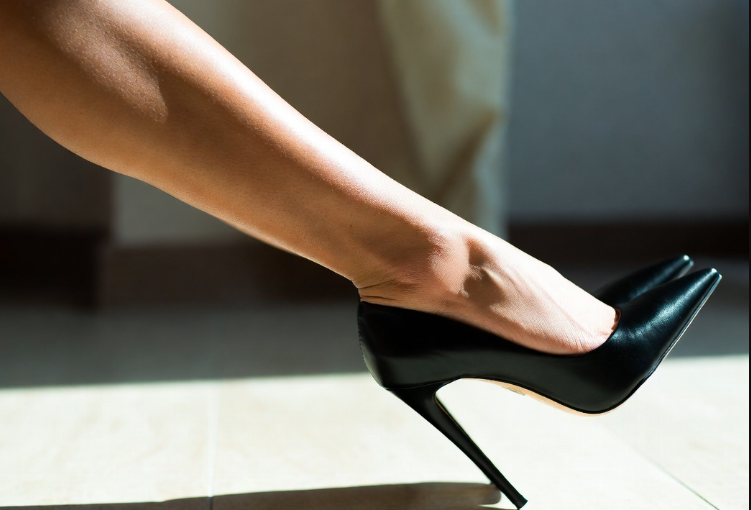
Researchers say this perception continues to shape why high heels remain widely worn, even when comfort and mobility are affected.
The study also points to broader cultural pressures, including workplace expectations and fashion norms, that may influence women’s footwear choices.
Health risks and physical impact
While high heels may enhance appearance, the evidence shows clear physical drawbacks.
The review found strong links between high heel wear and musculoskeletal pain, foot deformities such as hallux valgus, and increased risk of injury.
Biomechanical studies also showed changes in walking patterns and posture that may raise long-term risk of joint problems.
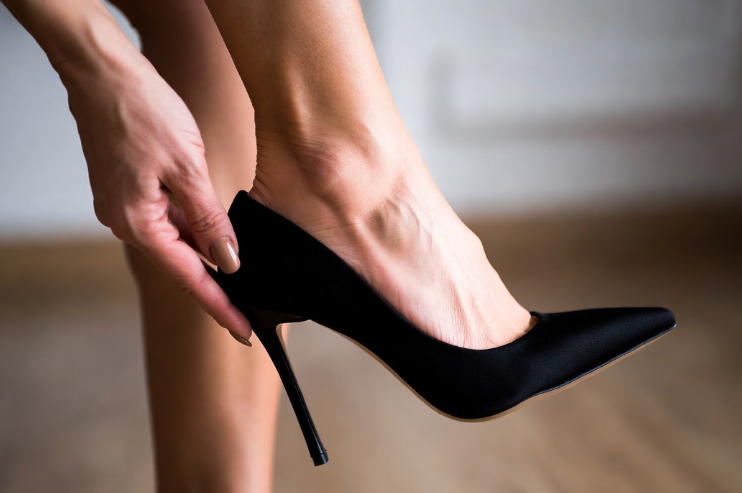
As the researchers note, “high heels are detrimental to health.”
They further explain that higher heels increase strain on muscles and alter body alignment, affecting balance and movement.
A complex trade-off
The study concludes that high heels present a clear tension between fashion benefits and health outcomes.
On one hand, they contribute to perceived attractiveness and social confidence. On the other hand, they are associated with pain, injury risk, and reduced physical comfort.
Researchers argue that the issue should be viewed within a broader social context, including questions of choice, workplace expectations, and cultural standards of beauty.
The review also highlights concerns around whether all high heel use is entirely voluntary, pointing to cases where women may feel social or professional pressure to wear them.