Advertisement
Healthy risks associated with TV screens you didn’t know
03rd May, 2026 11:30 PM
For many households, the television (TV) is always on. It fills the living room with sound, keeps families entertained, and often becomes part of the daily routine.
However, while televisions themselves are not dangerous, the way people use them can quietly affect their health over time.
These are not obvious problems, which is why many viewers overlook them completely.
Take a common habit, for instance. Someone buys a 43-inch TV, places it in a small room, and then sits barely a metre away.
At first, it feels immersive, even enjoyable. But with time, the eyes begin to feel heavy, headaches creep in, and vision may start to blur slightly.
This happens because the eyes are constantly adjusting to fast-moving images and bright light at close range.
Ideally, a larger screen needs more viewing distance so the eyes can relax and take in the full picture naturally.
Eye strain builds slowly
Eye strain does not happen overnight. It builds quietly through everyday habits. When watching TV, people tend to blink less, especially during engaging scenes.
This reduces moisture in the eyes, leading to dryness, redness, and that familiar burning sensation.
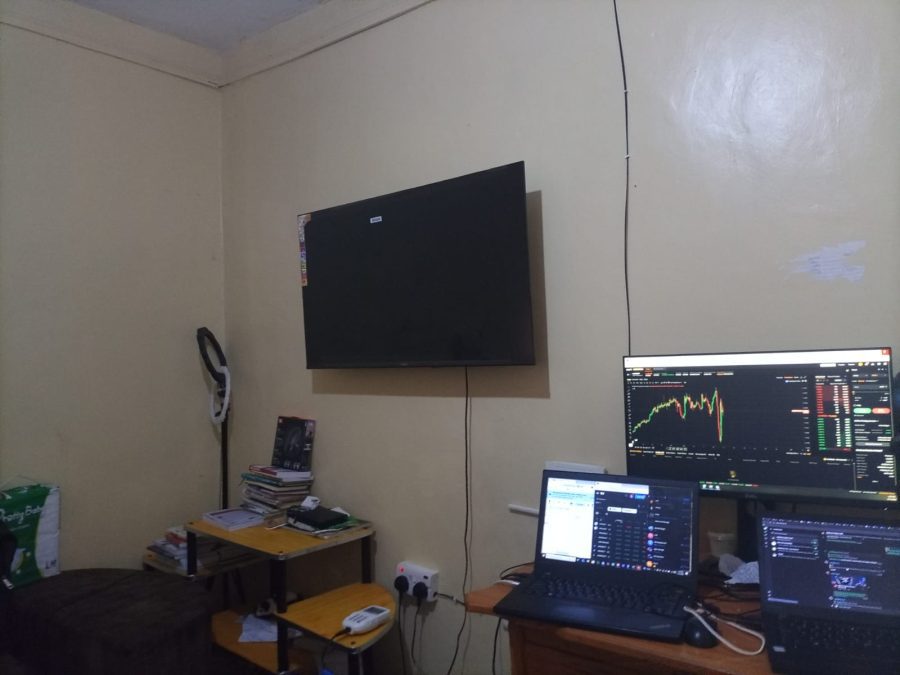
Lighting also plays a role. Watching a bright screen in a completely dark room forces the eyes to work harder due to the sharp contrast.
On the other hand, a dim screen in a bright room can have a similar effect. The eyes are constantly trying to adjust, and that effort leads to fatigue.
Then there is blue light. Most modern TVs use LED technology, which emits blue light that can interfere with sleep.
Watching late into the night may delay sleep without people realising why. You feel tired, but your brain is still alert.
Volume habits matter
Sound is another area people rarely think about. Turning the volume too high, especially when using powerful speakers, may seem harmless at first.
But over time, consistent exposure to loud sounds can affect hearing.
It becomes more noticeable in enclosed rooms where sound bounces off walls, making it feel even louder.
Children, in particular, are more sensitive to this. Their hearing is still developing, and repeated exposure to high volume can have long-term effects.
The posture problem
How people sit while watching TV is just as important as how far they sit. Many end up slouching, lying sideways, or craning their necks for a better view.
It feels comfortable in the moment, but the body pays the price later.
A TV mounted too high forces the neck upward. One placed too low does the opposite. Watching from the side instead of directly in front twists the neck and shoulders.
Over time, these small habits can lead to stiffness, back pain, and muscle tension that lingers beyond the viewing session.
Sitting too long
TV time often stretches longer than planned. One show leads to another, and before you know it, hours have passed without movement.
Sitting for long periods slows down the body, affecting circulation and overall fitness.
It is not the TV causing harm directly, but the stillness that comes with it. Without breaks, the body becomes less active, and that has its own long-term effects.