Advertisement
You might not need 8 hours of rest, how to find your perfect sleep time
16th June, 2026 11:40 PM
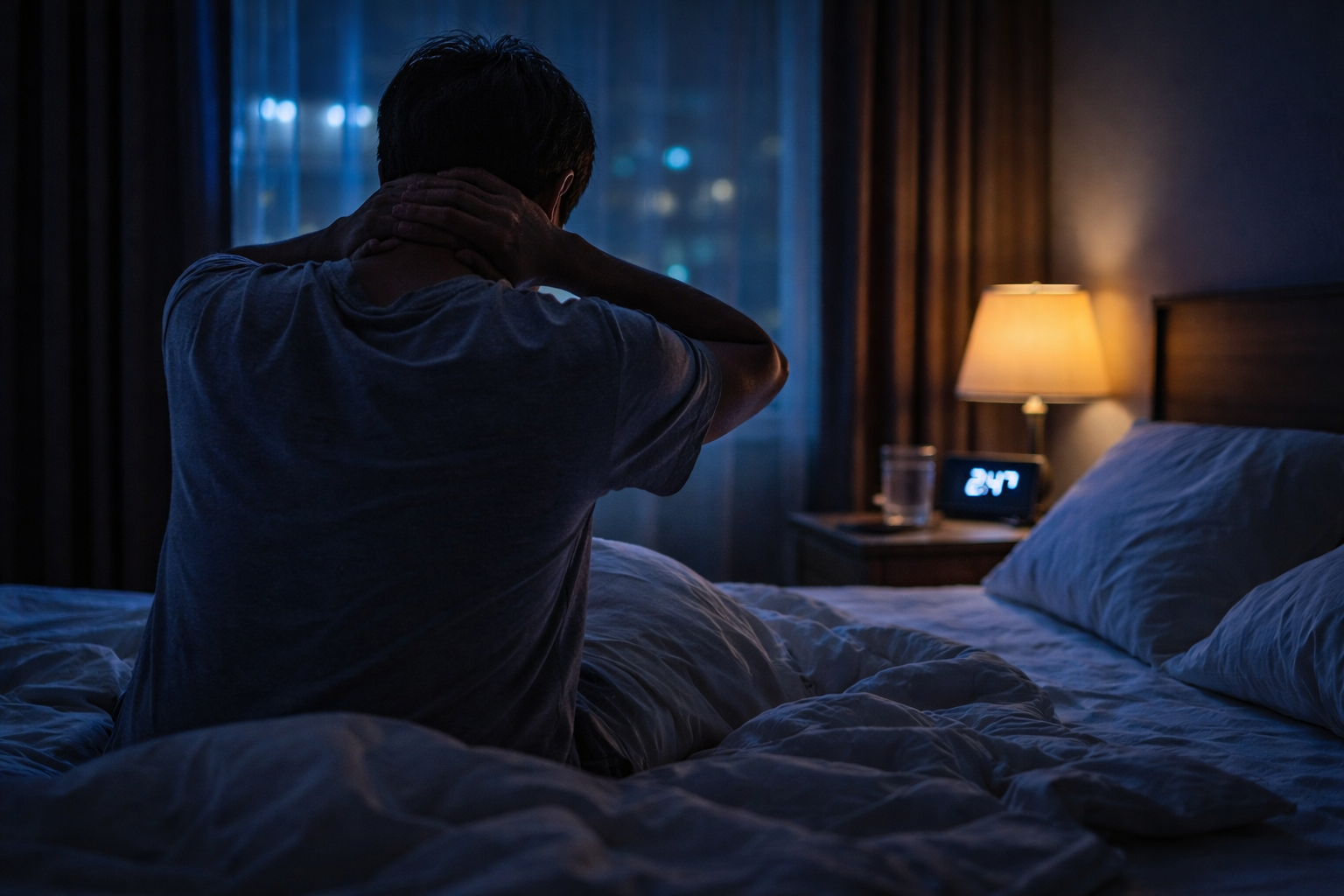
Most sleep experts advise that adults get seven to nine hours of sleep per night for good health and emotional well-being, although that changes as you get older.
Meanwhile, studies warn that sleeping for less than seven hours a day can increase the risk of obesity, high blood pressure, heart disease and other issues that come with sleep deprivation.
Research suggests that sleep needs are influenced by factors such as age, genetics, lifestyle, physical activity, and overall health.
Insufficient sleep has been linked to a range of health problems, including weakened immunity, poor concentration, increased risk of heart disease, and mental health challenges.
Conversely, consistently sleeping far beyond recommended ranges may also signal underlying health concerns.
Sleep quality is just as important as sleep time
According to Dr. Tony Cunningham, clinical psychologist and director of the Center for Sleep and Cognition in Boston, a lot of people tend to focus on how many hours of sleep they’re getting but neglect the quality of their sleep, which can be even more important than sleep time.
“Two different things is going on in our bodies that dictate both the type of sleep that we’re getting and the quality of sleep that we’re getting, and that is our sleep pressure and circadian rhythms,” said Cunningham.
Cunningham argues that there is nothing wrong with advising people to get an average of seven to nine hours of sleep, but it’s important to remember that this is just the average.
“That does not mean that every single person on the planet needs eight hours of sleep,” Cunningham said. “There are some people that really, truly only need five or six hours — like their biology and physiology only would allow them at optimal functioning to get five to six hours of sleep.”
According to sleep specialists, one of the best ways to determine your ideal sleep duration is to pay attention to how you feel during the day. People who consistently wake up refreshed, maintain energy levels throughout the day, and do not rely heavily on caffeine may already be getting the right amount of sleep for their bodies.