Why your skin may change when your gut is unhealthy
By Katemarthason Okudo, August 12, 2026Your skin can sometimes give clues about what is happening inside your body. A sudden increase in breakouts, persistent dryness, irritation, or changes in the way your skin reacts to products may have several explanations. One possible factor that researchers are studying is the health of the gut.
The gut and skin may appear to be completely separate, but they are connected through the body’s immune system and other processes. This relationship is commonly called the gut-skin connection.
It does not mean that every skin problem comes from an unhealthy gut. However, research suggests that changes in the gut may influence inflammation and, in some people, contribute to certain skin problems.
What happens when the gut is out of balance?
The gut contains many different types of bacteria. Some help the body digest food and support normal body functions, while others can cause problems when their numbers become unbalanced.
This balance can be affected by factors such as diet, some medicines, illness and lifestyle. When the normal balance changes, it may affect how the body responds to inflammation.
According to a review published by NIH, changes in the gut have been associated with skin conditions such as acne, eczema and psoriasis. Researchers believe this may happen partly because changes in the gut can influence the body’s immune response and levels of inflammation.
When the gut is not functioning well, the effects may not always remain limited to digestion. The body’s response can sometimes affect other areas, including the skin.
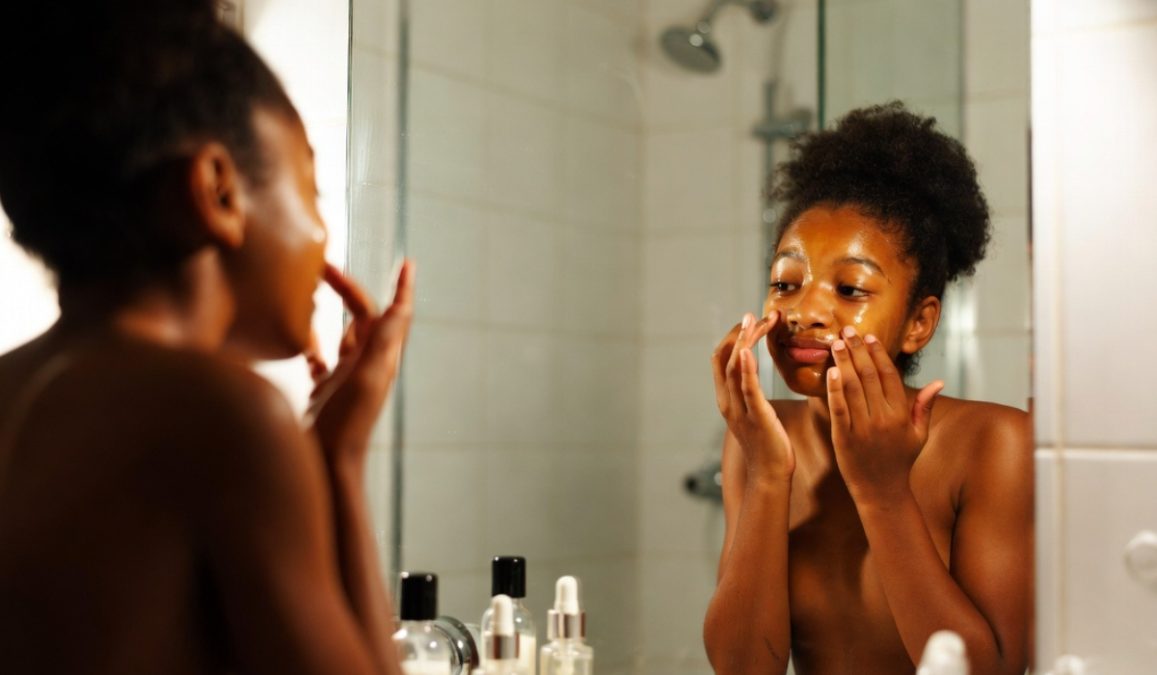
Why can this affect the skin?
The body has systems that constantly communicate with each other. The gut plays an important role in digestion and also helps regulate the body’s defences.
When the balance of bacteria in the gut changes, this communication can also change. The result may be increased inflammation in the body, which can make some existing skin problems worse.
Changes in the gut can influence the skin, while problems affecting the skin may also influence the gut.
The skin may become more sensitive
An unhealthy gut does not automatically cause dry skin or acne, but gut-related changes may play a role in how the skin behaves.
For example, some people may experience more frequent breakouts, redness or irritation. Others may notice that their skin becomes more sensitive than usual.
Research has particularly examined the connection between gut health and inflammatory skin conditions such as eczema, psoriasis, acne and rosacea. A review in Microorganisms found associations between changes in the gut and several of these conditions, although researchers say more studies are still needed to understand exactly how the connection works.
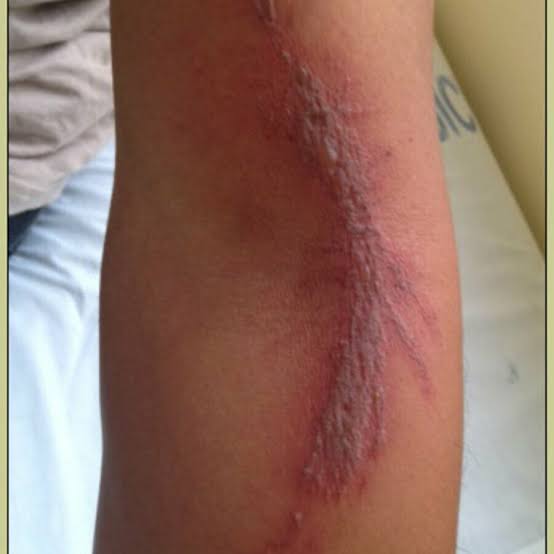
This is important because it is easy to assume that every skin change is caused by a new soap, cream or cosmetic product. Sometimes there may be several factors involved.
What can you do to support your gut?
Looking after the gut does not require complicated diets or expensive supplements. A varied diet containing vegetables, fruits, whole grains, beans and other fibre-rich foods can support healthy digestion.
Drinking enough water and maintaining regular physical activity can also contribute to overall health. It is also important to avoid taking antibiotics unnecessarily because they can affect the balance of bacteria in the gut.
Probiotic foods and supplements are also being studied for their possible role in supporting gut and skin health. However, they should not be treated as a cure for acne, eczema, psoriasis or other skin conditions.
Most importantly, persistent skin changes should not automatically be blamed on the gut. Skin problems can also be caused by hormones, allergies, infections, genetics, weather, skincare products and other medical conditions.