Advertisement
What is cardiac arrest? Signs, causes and survival chances explained
07th June, 2026 11:09 PM
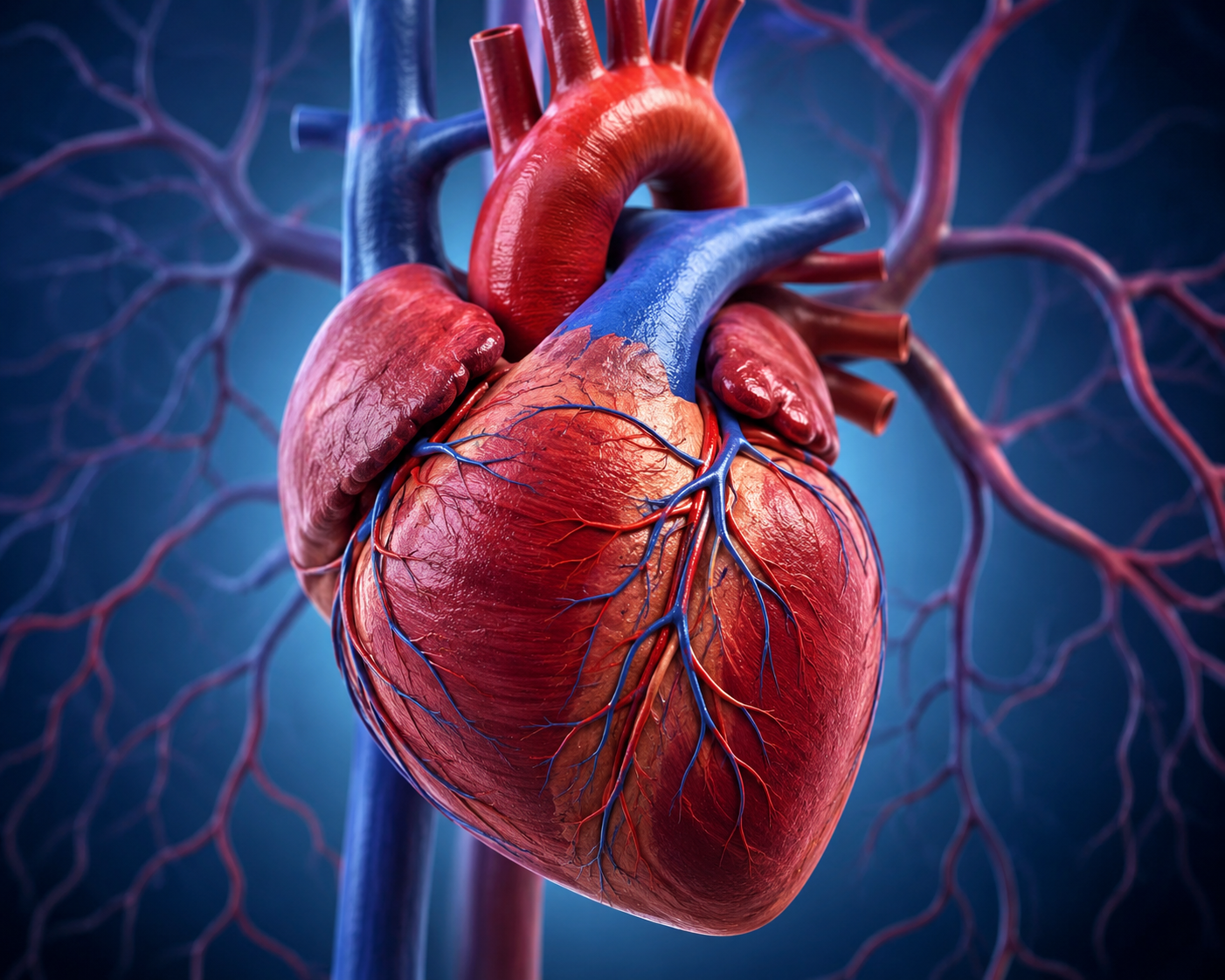
Cardiac arrest occurs when the heart suddenly stops pumping blood to the brain, lungs and other parts of the body.
When this happens, a person loses consciousness, stops breathing normally and can die within minutes if they do not receive immediate medical help.
However, survival is possible if cardiopulmonary resuscitation (CPR), defibrillation and emergency treatment are provided quickly.
According to the World Health Organisation (WHO), rapid action can significantly improve survival chances after cardiac arrest.
What is cardiac arrest?
Many people confuse cardiac arrest with a heart attack, but they are not the same.
A heart attack happens when blood flow to part of the heart is blocked. Cardiac arrest happens when the heart suddenly stops beating effectively due to an electrical malfunction.
When the heart stops pumping blood, oxygen can no longer reach the brain and vital organs. A person may collapse, become unresponsive and stop breathing within seconds.
The World Health Organisation describes cardiac arrest as a major medical emergency that requires immediate intervention to prevent death.
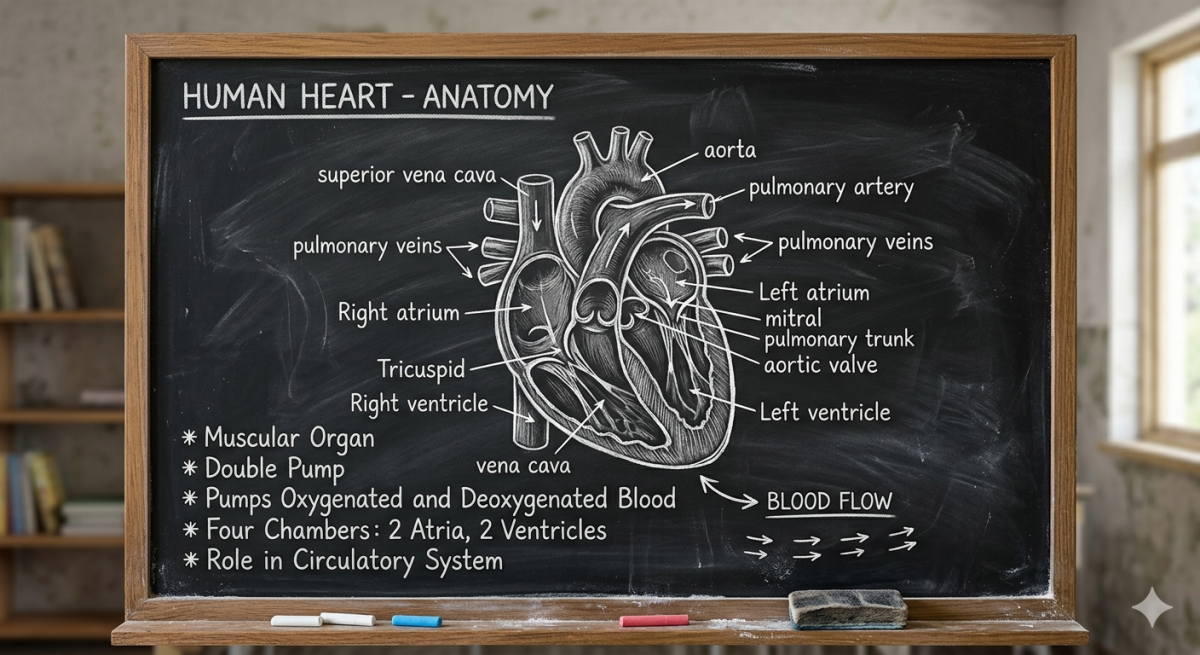
Cardiac arrest symptoms
Cardiac arrest often occurs suddenly, but some people experience warning signs.
Possible symptoms include:
- Chest pain or discomfort
- Shortness of breath
- Dizziness or lightheadedness
- Unusual fatigue
- Rapid or irregular heartbeat
- Fainting episodes
In many cases, however, cardiac arrest happens without warning.
The most obvious signs are sudden collapse, loss of consciousness and the absence of normal breathing.
What causes cardiac arrest?
Cardiac arrest can affect people of all ages, including athletes.
According to medical research published by institutions such as the American Heart Association, the most common cause is an abnormal heart rhythm known as ventricular fibrillation.
This condition prevents the heart from pumping blood effectively.
Other causes include:
- Coronary artery disease
- Previous heart attack
- Heart muscle disease
- Congenital heart conditions
- Severe blood loss
- Electrocution
- Drug overdose
- Serious infections affecting the heart
Although athletes are generally healthy, some may have underlying heart conditions that remain undetected until a major event occurs.
Why do some people survive cardiac arrest?
A person can survive cardiac arrest because the body does not die immediately when the heart stops.
Brain damage begins within minutes due to lack of oxygen, but there is a critical window during which emergency treatment can restart the heart and restore blood flow.
Doctors say survival depends heavily on three factors:
- Immediate recognition of cardiac arrest
- Quick CPR
- Rapid access to a defibrillator
A defibrillator delivers an electrical shock that can restore a normal heart rhythm.
The sooner this happens, the greater the chance of survival.
According to the American Heart Association, survival rates increase significantly when bystanders begin CPR before emergency services arrive.
Why people die from cardiac arrest
Death occurs when the brain and other organs are deprived of oxygen for too long.
Without CPR or defibrillation, irreversible brain injury can begin within four to six minutes. As time passes, the chances of survival drop rapidly.
This is why health authorities worldwide encourage members of the public to learn basic CPR skills.
Life after cardiac arrest
Surviving cardiac arrest does not necessarily mean a person’s life returns to normal immediately.
Many survivors require rehabilitation, medication and ongoing medical monitoring.
Some receive implantable cardioverter defibrillators, devices designed to detect dangerous heart rhythms and restore a normal heartbeat automatically.
The Ministry of Health advises anyone experiencing symptoms such as chest pain, unexplained fainting or severe shortness of breath to seek medical attention immediately.
Medical experts agree on one key message: cardiac arrest is a life-threatening emergency, but fast action can mean the difference between life and death.