Advertisement
Tested Positive for TB? Here’s what happens next
31st August, 2026 04:15 PM
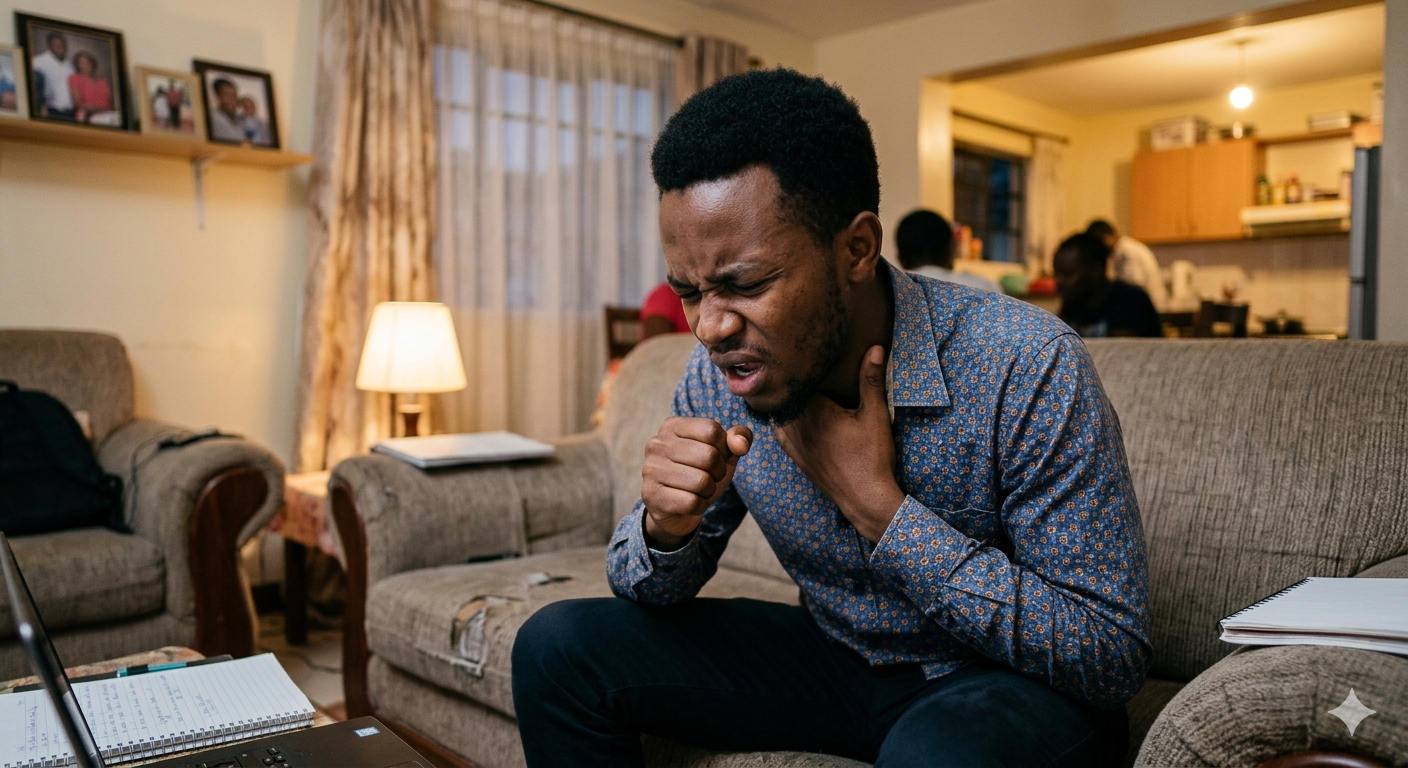
Testing positive for tuberculosis, commonly known as TB, can be frightening, especially if you do not know what comes next.
Many people worry about how serious the disease is, whether they can infect their family and how long treatment will take.
The good news is that TB is preventable and treatable. The most important step after diagnosis is to start treatment as advised by a healthcare provider and follow it through to completion.
1. Your healthcare provider confirms the diagnosis
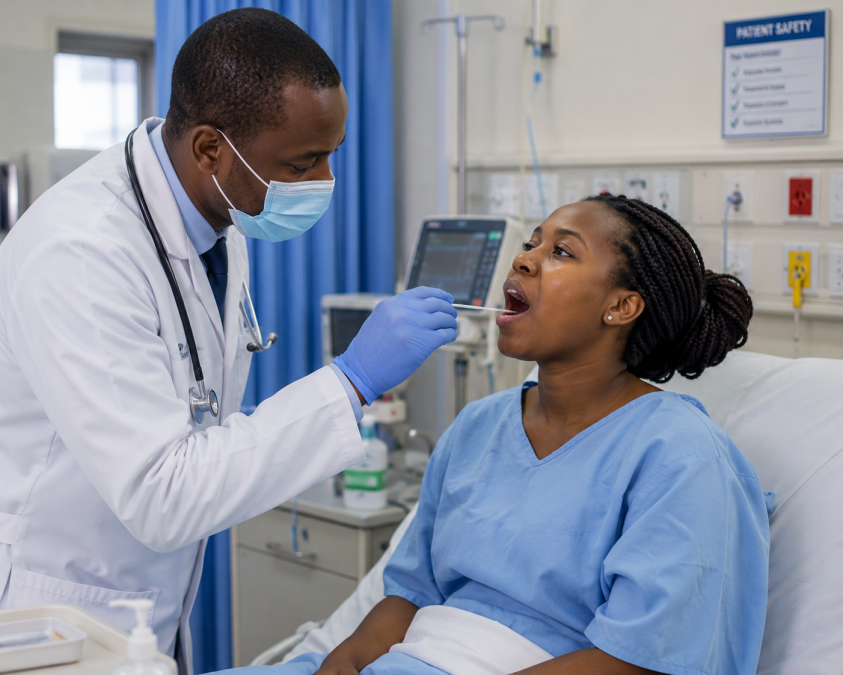
A positive TB test is followed by further assessment to establish whether you have active TB disease and where it is affecting the body.
For pulmonary TB, which affects the lungs, healthcare workers may use sputum tests and other investigations. A healthcare provider may also request a chest X-ray or other tests depending on the patient’s symptoms.
The doctor or clinician will then determine the appropriate treatment.
2. You will be started on treatment
Most people with drug-susceptible TB are treated with a combination of medicines rather than a single drug.
The treatment is usually taken for several months. The exact medicines and duration depend on the type of TB, test results and the patient’s individual circumstances.
It is important to take the medicines exactly as prescribed.
Even if you start feeling better after a few weeks, this does not necessarily mean the infection has completely cleared.
Stopping treatment early can allow TB to come back and can contribute to drug-resistant TB, which is harder to treat.

3. You may need to protect people around you
If you have infectious TB of the lungs or throat, you may be able to spread TB bacteria through the air when coughing, sneezing, speaking or singing.
Your healthcare provider will advise you on steps to reduce the risk of transmission.
These may include taking treatment correctly, improving ventilation, covering your mouth and nose when coughing and following any temporary precautions recommended by your healthcare team.
People who have been in close contact with you, particularly household members, may also need to be screened.
4. Your family or close contacts may be checked
TB does not only affect the person who has been diagnosed.
People who spend a lot of time with someone who has infectious TB can be exposed to the bacteria. Household contacts, especially young children and people with weakened immune systems, may require particular attention.
Contact screening helps healthcare workers identify people who may have TB or who may benefit from preventive treatment.
5. You will need follow-up care
TB treatment is not simply about collecting medicine and going home.
Follow-up appointments allow healthcare workers to check how you are responding to treatment, monitor side effects and address any challenges that could make it difficult to complete treatment.
Patients should tell their healthcare provider if they experience unusual or severe symptoms after starting medication rather than stopping the medicine on their own.