Advertisement
Natalie Githinji’s Stage 4 Endometriosis: Signs women should know
20th August, 2026 09:11 AM

Kenyan media personality Natalie Githinji has opened up about her diagnosis with Stage 4 endometriosis, bringing renewed attention to a condition that can cause debilitating pain and affect fertility and quality of life.
Natalie on Tuesday, August 18, 2026, revealed that doctors diagnosed her with stage 4 endometriosis following surgery and a stay in the Intensive Care Unit (ICU). She has described the experience as physically and emotionally difficult as she continues with her recovery.
Her experience has also highlighted the importance of recognising possible signs of endometriosis and seeking medical attention when period-related symptoms interfere with daily life.
What is endometriosis?
Endometriosis is a chronic condition in which tissue similar to the lining of the uterus grows outside the uterus. It can cause inflammation and scar tissue and may affect organs including the ovaries, fallopian tubes, bowel and bladder.
The World Health Organization estimates that endometriosis affects about 10% of women of reproductive age worldwide. Diagnosis can be based on symptoms and imaging such as ultrasound or MRI, while surgery may be used in some cases.
Signs and symptoms women should know
Endometriosis does not affect every woman in the same way, and the severity of symptoms can vary.
Here are some of the common signs.
- Severe period pain
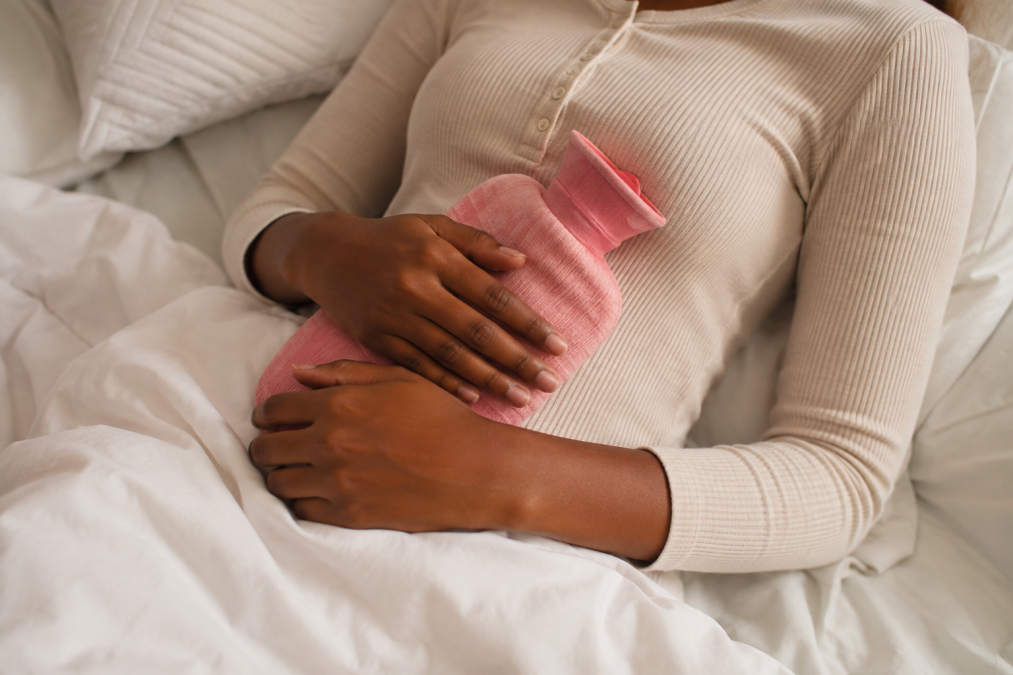
Pain that is unusually severe, lasts for several days or interferes with normal activities can be a warning sign. Endometriosis-associated pelvic pain may occur before or during menstruation.
- Chronic pelvic pain
Some women experience pelvic pain outside their periods. The pain can be persistent and may affect work, school, exercise and other daily activities.
- Pain during intercourse
Pain during or after intercourse can occur in women with endometriosis and should be discussed with a healthcare professional, particularly when it is persistent or worsening.
- Pain when passing stool or urine
When endometriosis affects areas around the bowel or bladder, women may experience pain during bowel movements or urination, particularly around their periods.
- Heavy or prolonged periods
Heavy menstrual bleeding can also be associated with endometriosis. Women who regularly experience unusually heavy bleeding should seek medical advice.
- Difficulty getting pregnant
Endometriosis can affect fertility, although having the condition does not mean a woman cannot become pregnant. Infertility is one of the health problems associated with endometriosis.
- Fatigue and digestive symptoms
Some women may also experience fatigue, bloating and gastrointestinal symptoms. Symptoms can vary depending on where endometriosis lesions are located.
What are the four stages of endometriosis?
Endometriosis is commonly classified into four stages based on factors such as the location, extent and depth of lesions, the presence of ovarian endometriomas and adhesions.
- Stage 1 – Minimal
There are a small number of superficial lesions, with little or no scar tissue.
- Stage 2 – Mild
There are more lesions, which may be deeper, although the disease remains relatively limited.
- Stage 3 – Moderate
There are more extensive lesions and adhesions, and ovarian endometriomas may be present.
- Stage 4 – Severe
This is the most extensive stage. It can involve numerous or deep lesions, larger ovarian endometriomas and significant adhesions or scar tissue. In severe cases, pelvic organs may become stuck together.
Natalie’s diagnosis was Stage 4, but it is important to note that the stage of endometriosis does not always correspond directly to the amount of pain a woman experiences. Someone with a lower stage can have severe symptoms, while some women with extensive disease may have fewer symptoms.
How is endometriosis treated?
Treatment for endometriosis depends on a woman’s symptoms, age, plans for pregnancy and the extent of the disease.
Doctors may recommend pain-relieving medicines to help manage symptoms, while hormonal medicines can help reduce or control endometriosis-related symptoms by regulating the hormonal changes associated with the menstrual cycle.
Surgery may be considered when symptoms are severe, medication does not provide adequate relief or the disease is extensive. Laparoscopic surgery can be used to identify and treat endometriosis lesions in appropriate patients.
Women experiencing fertility difficulties may also be referred for specialist fertility care, with treatment options depending on their individual circumstances and the extent of the disease.
The American College of Obstetricians and Gynecologists’ 2026 guidance emphasises clinical and imaging evaluation when diagnosing endometriosis, while noting that treatment decisions should be tailored to each patient.
When should a woman seek medical help?
Severe or persistent period pain should not simply be dismissed as something a woman has to endure.
Women should consider speaking to a healthcare professional if period pain regularly prevents them from working, studying or carrying out normal activities, or if they experience persistent pelvic pain, painful sex, painful bowel movements or urination, heavy bleeding or difficulty getting pregnant.
Endometriosis can take time to diagnose, and early medical assessment can help women understand the cause of their symptoms and explore appropriate treatment options.
Githinji’s experience has placed renewed attention on the condition and the importance of women recognising symptoms that go beyond what may be considered a “normal” period.